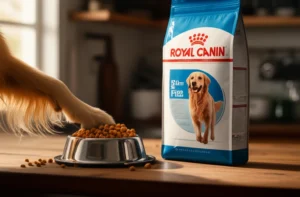
Hey there! If you’re reading this, chances are your furry friend has been having some tummy troubles, and you’re exploring options for a better diet. Let me tell you right away: Royal Canin dog food gastrointestinal formulas are designed specifically to help dogs dealing with digestive issues. But does it live up to the hype? Is it really worth your time and money? Grab a cup of coffee (or tea), and let’s walk through all the important details together—with no fluff, just real talk.
Think of this as chatting with a good friend who’s been through the maze of special dog diets and wants to help you figure out if Royal Canin’s GI formula might be the right fit for your pup. Ready?
Quick Guide
Is Royal Canin GI Food Right for My Dog?
If your vet has diagnosed your dog with digestive issues—things like chronic diarrhea, malabsorption, or pancreatitis—this food could be a smart choice. It’s a veterinary prescription diet, specially crafted to be gentle on sensitive stomachs, packed with nutrients to support healing and maintain energy. But heads up: it’s not a casual snack for every dog; it’s more like a medicine you feed in food form. Always chat with your vet before starting.
What Are the Main Benefits (and Risks)?
- Benefits: Supports digestion with highly digestible proteins, balanced fibers, prebiotics, and omega fatty acids (EPA and DHA) that help reduce inflammation.
- Risks or Downsides: It usually requires a vet’s prescription, so you can’t just pick it up anywhere easily. The price is on the higher side compared to regular food. It contains some ingredients like chicken by-product meal and grains that might not suit every owner’s preference.
Understanding Royal Canin Gastrointestinal
What Exactly Is It?
The Royal Canin dog food gastrointestinal lineup focuses on calming and supporting your dog’s digestive system. The core product is a dry food that’s 100% complete and balanced for adult dogs with digestive sensitivities. But that’s not all—there are also low-fat variants and hydrolyzed protein formulas designed for dogs with specific needs, like food sensitivities or pancreatitis.
Dry Food and Variants
- Standard Gastrointestinal Dry: A well-rounded formula with digestible proteins, rice, fibers, and essential fatty acids.
- Gastrointestinal Low Fat & Hydrolyzed Protein: Tailored for dogs needing less fat or those who struggle with protein allergies. The hydrolyzed protein is broken down to minimize immune reactions.
- Wet (Canned) Versions: Sometimes recommended by vets for easier digestion and hydration support during acute digestive upsets.
Where Can You Find It?
This food is typically available only through veterinarians, vet clinics, or specialty online stores that verify prescriptions. You might find it on major retail websites like PetSmart, Petco, or Amazon, often with subscription options for autoship convenience. Just remember, your vet’s endorsement is key.
How Royal Canin GI Supports Your Dog’s Digestion
The Magic Inside the Bag
It’s not magic, but it sure works like it. The formula combines several nutritional strategies that work together:
- Highly Digestible Proteins: Ingredients like chicken by-product meal or hydrolyzed soy protein are easier on the gut.
- Balanced Fibers: Fibers from sources like beet pulp and psyllium help regulate digestion and support bowel health.
- Prebiotics: They promote a healthy gut microbiome, the good bacteria that your dog’s digestion loves.
- EPA + DHA: These omega fatty acids from fish oil and marine microalgae reduce inflammation and support intestinal health.
- Energy Dense: This food packs more calories per cup so your dog eats less volume, easing the digestive workload.
Peeking at Ingredients
| Category | Common Ingredients | Role |
|---|---|---|
| Proteins | Chicken by-product meal, hydrolyzed soy protein (in some formulas) | Supports repair and provides essential amino acids; hydrolyzed proteins reduce allergy risks |
| Carbohydrates & Fiber | Brown rice, corn, brewers rice, dried beet pulp, psyllium seed husk | Provide energy and digestive regulation |
| Fats & Omegas | Chicken fat, fish oil, marine microalgae oil | Fuel for energy and inflammation control |
| Vitamins & Minerals | Vitamin E, vitamin C, biotin, zinc, calcium, taurine | Essential for immune health and bodily functions |
Does the Science Back It Up?
Royal Canin’s GI diets are formulated based on veterinary science, including clinical trials that demonstrate improved stool quality and gut health. This nutrition is not just a trend; it’s rooted in research designed to tackle real digestive problems and support recovery in dogs with sensitive tummies.
When Does It Help Most?
Common Digestive Issues Benefiting from GI Diets
- Chronic enteritis (persistent gut inflammation)
- Post-illness or surgery digestive recovery
- Pancreatitis, especially with the low-fat formula option
- Food allergies or sensitivities (hydrolyzed protein helps here)
- Malabsorption syndromes and inflammatory bowel disease management
What to Expect and When
Usually, pet parents notice firmer stools, less vomiting, and a happier, more energetic dog within a few weeks of the diet change. Of course, some dogs might take longer or require additional therapy, so be patient—and keep your vet in the loop.
When It Might Not Be Enough
If your dog’s digestive woes are linked to infections, parasites, or structural bowel problems, then just switching food might not cut it. Diagnostics and a tailored treatment plan will be essential.
Balancing Benefits and Concerns
About the Ingredients
Some folks have reservations about certain ingredients like chicken by-product meals or grains. While these are generally well-tolerated and included for their nutritional value, it’s okay to wonder if they align with your preferences for your dog’s food. The hydrolyzed protein options are a great alternative for dogs with allergies.
Cost and Access
This special diet isn’t budget-friendly like your standard dry kibble. Prices can vary depending on package size and where you buy, but expect to pay more in exchange for the health benefits. Subscribing for autoship is a popular way to save a bit and maintain a steady supply.
Therapeutic Use and Transition
Royal Canin gastrointestinal formulas aren’t meant for every dog long-term. Usually, vets recommend a trial period, after which they reassess your dog’s health to decide whether to continue, adjust, or transition back to regular food. Always take it slow when switching to avoid causing any more stomach upset.
Picking the Right Royal Canin GI Food
Match the Diet to Your Dog’s Needs
Here’s a simple guide to help make sense of the options:
- Standard Gastrointestinal: For general digestive upset and recovery.
- Low Fat + Hydrolyzed Protein: For pancreatitis or food allergies.
- Wet Food: For extra moisture and easier chewing, especially post-surgery or during acute illness.
Feeding Tips
Introduce the new food over 7 to 10 days, mixing it gradually with the old food. Measure portions carefully based on your dog’s weight and vet guidance. Keep an eye on stool consistency and appetite—as these are your best clues about how well the diet suits your dog.
Veterinarian Questions to Ask
- Is this diet right for my dog’s specific condition?
- How long should we follow it?
- Should we recheck any lab tests during the diet?
- What signs should prompt a vet visit?
What Real Dog Owners Say
From the many royal canin dog food reviews out there, owners love seeing improvements in their pups’ digestion—more energy, less tummy upset, and calmer bathroom breaks. A few mention the price and ingredient concerns, but most agree that for dogs with real GI troubles, this food can be a game-changer.
I’ve personally known a dog named Marley who struggled with chronic digestive flare-ups. Switching to Royal Canin’s GI diet (under vet supervision) transformed him into a happier kiddo in just weeks—no more constant tummy aches, which meant a huge relief for his humans.
Buying and Pricing Basics
Prices fluctuate based on size and formula, with typical bags ranging from 8 to 28 pounds. You’ll find options on trusted sites like Petco, PetSmart, or Amazon, often with subscriber discounts and autoship perks that make refills easier on your wallet.
Remember to buy from reputable sources, as vet formulas like this need careful storage and vet authorization to ensure safety and authenticity. And if budget is tight, ask your vet about the best purchasing plan for your dog’s diet.
For a healthy adult dog, you might also be interested in adult royal canin dog food, which is designed for maintenance nutrition without special GI needs.
How Does Royal Canin GI Stack Up?
| Feature | Royal Canin GI | Competitors |
|---|---|---|
| Prescribed for | Digestive upset, allergies, pancreatitis | Similar (Hill’s, Purina Pro Plan Veterinary) |
| Main Protein | Chicken by-product, hydrolyzed soy | Varied, often hydrolyzed or single animal protein |
| Grain content | Includes brown rice, corn | Varies, some grain-free options available |
| Price | Moderate to high | Comparable |
| Vet exclusive? | Yes | Usually yes |
Keeping It Safe and Trustworthy
Always check for recalls and product notices, especially with prescription diets which can sometimes have limited batch runs. Use official vet channels or trusted retailers, and if your dog shows any unexpected reactions, reach out to your vet immediately.
Final Thoughts
So, there you have it. Royal Canin dog food gastrointestinal is a carefully crafted, vet-approved diet that can make a tangible difference for dogs with digestive troubles. It’s not a one-size-fits-all fix, but it’s a well-researched, trusted tool that vets often lean on when stomach issues get real messy.
Before you take the plunge, have that honest conversation with your vet, ask about the best formula for your dog, and monitor the journey closely. Nutrition is such a powerful part of health, and seeing your dog comfortable and thriving? Totally worth it.
If you want to dig deeper into what makes Royal Canin tick, check out the detailed royal canin dog food ingredients and explore the variety of royal canin dog food reviews to hear from other pet parents just like you.
So, what do you think? Have you tried a GI diet for your dog? What worked or didn’t? I’d love to hear your experiences and what questions you have. After all, taking care of our four-legged pals is a journey, and none of us should have to walk it alone.