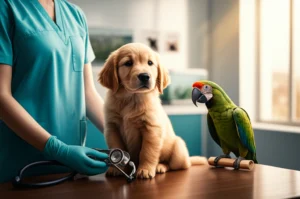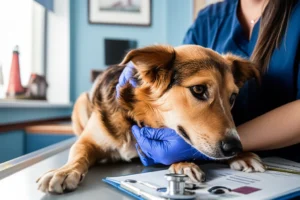
Hey there! If you’re wondering when to schedule your furry friend’s next vaccine or where to find a trustworthy and affordable animal vaccination clinic, you’re in the right place. I get it—the whole vaccination thing can feel a bit overwhelming, right? But keeping up with your pet’s shots is one of the best ways to protect them from nasty diseases like rabies, parvo, and more.
Let’s dive into what an animal vaccination clinic really is, why your pet needs vaccines, and how you can find the best options near you without breaking the bank. This isn’t just about medicine—it’s about keeping those wagging tails and purring pals happy and healthy for years to come.
Understanding Vaccination Clinics
So, what exactly is an animal vaccination clinic? Think of it as a place where you can pop in (or book an appointment) to get your pet’s vaccines done, often at a more accessible cost than a full vet visit. Some clinics are run by nonprofits or community organizations, while others might be local vet offices that offer special walk-in vaccine days.
These clinics focus primarily on preventive care—giving your pet the shots they need most to stay protected. That includes core vaccines like rabies, distemper, and parvo for dogs, or feline viral rhinotracheitis for cats. You might also find additional services like microchipping or basic wellness checks.
It’s important to know that vaccination clinics differ from emergency vet services. If your pet ever has a serious reaction or an urgent health crisis, you’ll want to contact an emergency vet stanwood or similar service immediately. But for routine shots and wellness? Clinics are usually your best bet for quick, friendly service.
What Vaccines Does Your Pet Really Need?
Here comes the good stuff—understanding which vaccines are key. Not every pet needs every vaccine, so that chat with your vet or clinic staff is gold.
For Dogs: Core Vaccines
- Rabies: Usually required by law, protects against a fatal viral disease.
- DHPP/DA2PP: Those letters stand for distemper, hepatitis, parvovirus, and parainfluenza—big bad diseases you want to prevent.
Puppies kick off their vaccination schedule with doses at around 8, 12, and 16 weeks, then get boosters yearly or as advised. Adult dogs usually stick to annual boosters unless your vet suggests otherwise.
For Cats: Core Vaccines
- Rabies: Just like dogs, important by law and safety.
- FVRCP: This combo vaccine is for feline viral rhinotracheitis, calicivirus, and panleukopenia—all nasty infections to avoid.
Cats may also need the feline leukemia (FeLV) vaccine, especially if they go outside or mingle with other cats.
Non-Core Vaccines
There are some extras you might hear about—like Bordetella, Lyme, and Leptospirosis vaccines. These depend on your pet’s lifestyle: for instance, if they spend a lot of time outdoors, hang out where ticks are common, or socialize in doggy daycare, these additional vaccines can be lifesavers.
Remember: it’s a balancing act between your pet’s risk and the benefits of the shot. That’s why a local clinic or vet’s expert input really matters.
Affordable Vaccination Options You Can Trust
Let’s be honest—pet care can get pricey. But protecting your pet’s health shouldn’t be a luxury! The good news? There are plenty of low-cost options out there, including dedicated animal vaccination clinics.
Typical vaccine costs at these clinics can range from $15 to $40 per shot. Keep in mind, prices vary based on the vaccine type and whether a vet exam is included. Walk-in clinics often have set fees, and it’s smart to call ahead or check websites for current pricing.
If you’re near Everett or Stanwood, you have some great options. For instance, the northwest veterinary clinic of stanwood offers care that balances quality with affordability, and the camino veterinary clinic is another trusted spot that many locals rely on.
When searching for affordable care, don’t forget community wellness clinics which often serve families on a budget or with special eligibility—think of programs like the Ontario SPCA wellness clinics that provide vaccinations and wellness exams at reduced costs.
What To Expect At Your Vaccination Visit
Wondering how a visit to an animal vaccination clinic actually goes? Most visits are pretty straightforward and quick, but knowing ahead can keep things calm for you and your pet.
- Check-in: Bring any existing records or vaccination history you have. Leash your dog or keep your cat in a secure carrier for safety.
- Brief exam: A vet or vet tech will check your pet to make sure they’re healthy enough for vaccines that day.
- Vaccination: Shots are given—usually one or two per visit, depending on the schedule and your pet’s needs.
- Wait and watch: Most clinics ask you to stay for a short while to watch for any immediate reactions.
Side effects are usually mild and short-lived—things like slight soreness or a bit of tiredness. Serious reactions are rare, but if you notice signs like difficulty breathing, swelling, or lethargy after leaving the clinic, contact an emergency vet stanwood right away.
Choosing a Clinic You Can Trust
It’s natural to wonder, “How do I know if this clinic is legit and safe?” A trusted animal vaccination clinic usually has:
- Licensed vets or registered veterinary technicians administering vaccines
- A clean, welcoming facility that puts your pet’s comfort first
- Clear communication about what vaccines are given and why
- Good record-keeping and reminders for when your pet’s next shots are due
Don’t hesitate to ask questions before the appointment: what vaccine brands do they use? Do they offer reminders? How do they handle reactions?
Your local community has clinics tailored to your furry friends’ needs—for example, the northwest veterinary clinic of stanwood is known for personalized care and clear communication. These details make all the difference in building trust and peace of mind.
Keeping on Track: Reminders and Planning
One of the sneakiest little things that mess with pet care? Forgetting when vaccines are due. Trust me, it happens to the best of us. Setting reminders on your phone, calendar, or even asking your clinic about automated reminders can keep you ahead of the game.
The vaccine schedule changes as your pet grows—from puppy shots every few weeks to adult annual boosters and, sometimes, different recommendations for seniors. A well-planned schedule means fewer sick days and more playful ones.
Don’t forget, if your pet travels or stays in boarding facilities, some vaccines might be required or recommended, especially rabies. That’s another reason to keep your paperwork handy and stay connected with your vet or trusted local clinics.
Wrapping It Up — Your Pet’s Health Is In Your Hands
Caring for a pet feels like a little adventure every day, doesn’t it? And while vaccines aren’t the most glamorous part of pet parenthood, they’re definitely one of the most powerful tools we have to keep our companions safe.
If your pet’s vaccination records are a bit fuzzy, don’t stress—reach out to a dependable animal vaccination clinic like the camino veterinary clinic or the northwest veterinary clinic of stanwood to get caught up. They’re your partners in this, ready to help keep tails wagging and whiskers twitching happily for years.
What’s your experience with vaccination clinics? Have you ever been pleasantly surprised by a low-cost option or had questions that a clinic helped answer? If so, I’d love to hear your thoughts or questions. Remember, every step you take to protect your pet’s health counts tremendously. And if emergencies ever pop up, trusted contacts like emergency vet stanwood are just a call away.
Here’s to happy, healthy pets and all the joyful moments they bring us!