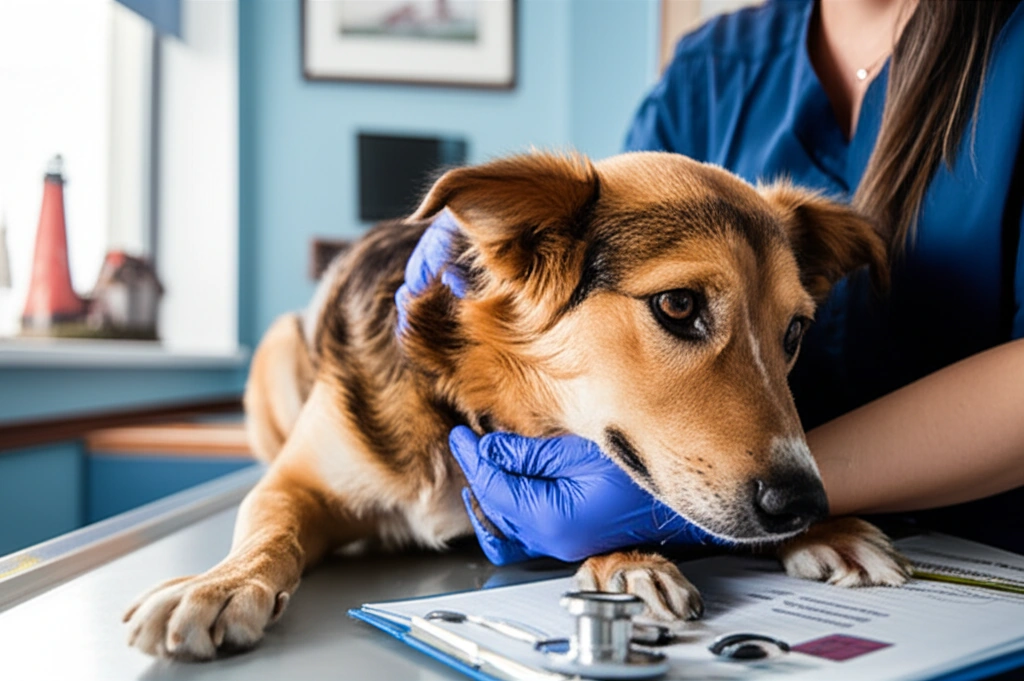
Okay, picture this: Your furry best friend suddenly collapses or starts choking, and you’re flipping through your mental rolodex for the nearest emergency vet in Stanwood. It’s scary, it’s urgent, and honestly, it can feel a bit like chaos. But hey, don’t worry — that’s why I wrote this guide for you. Consider me your friend in the know, walking you through exactly what to do with clear, simple steps and local info you can trust.
Whether it’s a sudden injury, a mysterious illness, or something you just can’t handle at home, knowing your emergency vet options in Stanwood (and nearby) can make all the difference between panic and calm action. Let’s jump into it—because when it comes to emergencies, every minute matters.
Spotting An Emergency
First up: How do you know when your pet’s condition is truly an emergency? Sometimes it’s obvious—a car accident or severe bleeding—but other times it’s less clear, right? Here’s a quick, no-nonsense checklist you can rely on:
- Uncontrolled bleeding or any large wounds
- Difficulty breathing or choking sounds
- Seizures or collapsing
- Ingestion of toxic substances (chocolate, antifreeze, certain plants)
- Sudden lethargy, weakness, or unresponsiveness
- Severe vomiting or diarrhea, especially with blood
- Swelling of the face, neck, or abdomen (potential allergic reaction)
If your pet is showing any of these signs, it’s time to act fast. But what exactly should you do next? Let’s get into the how-to.
Immediate Actions To Take
Here’s the thing: panic is totally understandable, but staying calm is your secret weapon. Before you grab the car keys, there are a few quick things to do to give your pet the best shot at safety:
- Call the vet or emergency clinic ASAP, if possible. Describe your pet’s symptoms, breed, weight, and any medications or prior health issues.
- Administer basic first aid if you know how—like applying pressure to stop bleeding or carefully keeping your pet still to avoid worsening an injury.
- Don’t give food or water unless your vet specifically says it’s okay, especially if seizures or vomiting are involved.
- Prepare safe transport: use a carrier or sturdy crate for cats or small dogs; for larger dogs, a blanket or leash to keep them restrained during the ride.
If you’re unsure whether it’s an emergency, the American Veterinary Medical Association offers a handy guide outlining when immediate care is necessary, helping avoid second-guessing during those frantic moments.
Emergency Vet Options in Stanwood
So, the big question is: where do you take your pet if an emergency hits in Stanwood?
Local Clinics Handling Urgent Care
Northwest Veterinary Clinic of Stanwood is a trusted name that many pet owners know and love. These folks have a stellar reputation for compassionate, comprehensive care, and while their main focus is routine exams, vaccinations, and wellness, they also handle urgent veterinary issues during their regular hours. Open six days a week, they’re a solid first call for many emergencies you face during business hours.
Also worth mentioning is the everett animal clinic, which can handle a lot of general vet care with a no-nonsense approach, making it a reliable point of contact if cost is a concern.
Affordable Pet Care (APC Stanwood) similarly offers quality care from 8:30 AM to 5:30 PM on weekdays. Though not an emergency hospital per se, they can assist with several urgent problems during open hours. But keep in mind, if your pet’s condition is severe or outside their hours, these clinics will refer you elsewhere.
After-Hours and 24/7 Emergency Hospitals Nearby
Stanwood itself doesn’t have a standalone 24/7 emergency hospital, so for after-hours emergencies, a quick trip may be necessary. Thankfully, several trusted emergency facilities are within reasonable driving distance:
- Pet Emergency Center in Mount Vernon: Known for their compassionate care and expert staff, they accept emergency patients any time, day or night. They recommend calling ahead to prep them for your pet’s arrival.
- Pilchuck Veterinary Hospital in Snohomish: Provides around-the-clock emergency services with a reputation for thorough and skilled care.
- VCA Veterinary Specialty Center in Lynnwood: A specialty hospital offering intensive diagnostics and surgeries emergency cases may require.
- Boundary Bay Veterinary Hospital: Another reliable option further north with 24-hour emergency services.
Choosing between your local clinic or heading to one of these regional hospitals depends on severity, timing, and your pet’s specific needs. For example:
| When to Visit Local Clinic | When to Head to 24/7 Emergency Hospital |
|---|---|
| Mild to moderate symptoms during regular office hours | Life-threatening symptoms: difficulty breathing, seizures, severe trauma |
| Questions on minor wounds or illness not worsening rapidly | After hours or weekends when local clinics are closed |
| Follow-up or urgent care that doesn’t require surgery or specialty equipment | Need for specialized diagnostics or surgeries |
Understanding Emergency Costs and Payment Options
Let’s be honest — emergency vet care can be a wallet shocker. But knowing what to expect helps you prepare and avoid stress later.
Costs vary wildly. A simple emergency exam might run a couple hundred dollars, but add X-rays, bloodwork, surgeries, or overnight care, and you could be looking at thousands. But here’s the secret—budgeting ahead, or seeking out low cost vet options in Everett, WA, can ease the burden.
Some options to help with payments include:
- CareCredit and other veterinary payment plans — great if you don’t have a lump sum right away
- Pet insurance — can cover 80-100% of bills after a deductible, depending on plan
- Nonprofits and community clinics that offer discounted or subsidized care for qualifying pet owners
Knowing all this doesn’t reduce the heartache of an emergency, but it definitely helps to go in informed. The good news? Your local clinics and emergency centers in this region work with these options, so don’t hesitate to ask.
Getting Prepared: How to Avoid Last-Minute Scrambles
Emergency prep might sound like overkill, but trust me, nothing beats having a plan. Think of it like whip-smart insurance that gives you peace of mind.
Put Together a Pet Emergency Kit
Here’s what I recommend throwing together and keeping handy:
- Muzzle (even sweet pets can bite in pain or fear)
- Leash and collar with ID tags
- Blanket or towels to safely carry or warm your pet
- Copies of recent medical records, vaccination history, and medications
- Emergency vet phone numbers saved in your phone and written down
Keep Records Handy
Nothing wastes precious time like digging around for vaccine records when your pet’s crisis is unfolding. Store digital copies on your phone and printouts in your kit so you’re ready for quick info-sharing.
Practice, Practice, Practice
Sounds weird, but getting your pet used to the carrier or crate can calm everyone down when an emergency strikes. Even five minutes a day practicing can make a world of difference.
Also, keeping your pet on schedule with vaccinations and health check-ups helps minimize a lot of preventable emergencies. For that, clinics like the animal vaccination clinic nearby can be a big help.
Special Considerations: Puppies, Seniors, and Farm Animals
Every pet is unique, and some need that much more TLC during an emergency.
Puppies and kittens, for instance, can dehydrate fast or suffer sugar crashes (hypoglycemia), so rapid hydration and warmth are vital before rushing to the vet.
Senior pets may mask symptoms of heart or kidney trouble until they become critical; knowing their medical background helps vets decide fast ways to stabilize them.
And don’t forget our farm friends. Emergencies for horses, goats, or chickens often require different handling and vets familiar with large or exotic animals. Local resources can guide you on who to call when your barnyard buddy needs help.
Real Stories & Expert Tips From Stanwood Vets
I recall talking with a friend whose dog suddenly bloated, a scary and often deadly condition. Thanks to prompt recognition and an emergency trip to camino veterinary clinic, the dog made a full recovery. Stories like these underscore the power of good emergency care and fast action.
The vets I’ve chatted with always emphasize: “If you’re in doubt, take your pet in immediately. Better safe than sorry.” They also recommend keeping a fresh list of emergency contacts and practicing pet first aid. It’s empowering, really.
Choosing the Right Emergency Vet Clinic
How do you know you’re taking your pet to the best place in a crisis? Here are some quick red flags and green flags:
- Green flags: Transparent pricing, clear communication, experienced staff, proper certifications, clean facilities.
- Red flags: Vague answers about services or costs, pushy sales tactics, unwillingness to share medical info, understaffed or chaotic environment.
Researching your options ahead of time is a gift you give your future self. Most importantly, trust your gut and ask questions. If a clinic sounds trustworthy and knowledgeable, that’s where you want to be.
Helping Your Pet Stay Healthy Long Term
Emergencies will always startle the best of us, but many can be prevented. Keeping up with regular wellness exams, vaccinations, parasite prevention, and dental care goes a long way. And hey, for affordable preventive care in your area, don’t forget about places like the animal vaccination clinic and local resources that provide comprehensive, budget-friendly services.
Also, by nurturing a strong relationship with your regular vet — like those at the Northwest Veterinary Clinic of Stanwood or the everett animal clinic — you boost the chances of catching issues before they become emergencies.
Wrapping It Up
So, there you have it — your practical, heartfelt guide to navigating emergency veterinary care around Stanwood. Remember, when an emergency arises, trust your instincts, act quickly, and don’t hesitate to reach out to local clinics or regional emergency hospitals. Keeping an emergency kit and key phone numbers handy, knowing when to go to your neighborhood vet or when to head to a 24/7 emergency hospital, and staying on top of prevention are all part of being a proactive pet parent.
If you take one thing away from this, let it be this: You’re not alone in this. Your pet’s health matters deeply, and there’s a whole community of caring professionals ready to support you. What do you think about emergency preparedness? Have you had an experience with local vet clinics around here? If you have questions or want to share your story, I’m all ears!