Hey there! If you’ve ever found yourself overwhelmed by clutter, tired of staring at a messy closet, or just dreaming of a simpler, more intentional life, you’re in the right place. A minimalist essentials list can be a game-changer—not as some rigid “one-size-fits-all” challenge but as a thoughtful guide to owning what really matters, both practically and emotionally.
Minimalism isn’t about owning the bare minimum for bragging rights. Nope. It’s about carving out space and energy for what truly makes you happy and productive—while ditching the noise. But, here’s the truth: going minimalist comes with its own little traps, like accidentally tossing items you actually need or just feeling “bored” with fewer things around. So, my goal here is to share a list that’s both realistic and flexible, helping you build a home, wardrobe, or travel kit that feels just right for you.
Why It Matters
Common Missteps With Minimalist Lists
Let’s be honest, many people jump into minimalism thinking it’s a numbers game: “I want to own 100 things,” or “I’ll live with just 50.” But the magic doesn’t happen when you hit a neat number. It’s about whether your stuff fits your life. You don’t have to count every sock or toothbrush.
Also, some of us rush to declutter sentimental or emergency items without a second thought, only to regret it later. Yes, minimalism can feel emotionally messy sometimes—that’s totally normal. So take a breath before you chuck grandma’s old recipe book or that flashlight you might someday need.
How To Use This List Without Losing Your Mind
Here’s a little decision-making trick I love: ask yourself three simple questions about any item:
- Do I use it?
- Does it save me time, money, or space?
- Do I love it (or at least like it a lot)?
If the answer is mostly no, it’s probably fair game to let it go. But if you hesitate, consider giving it a “trial separation” for 6–12 months. If you don’t miss it, say goodbye.
Minimalist Essentials Categories
Breaking things down into categories makes the process less scary and way more adaptable. Whether you’re packing for a trip, simplifying your home, or building a minimalist wardrobe, these buckets are your guiding stars.
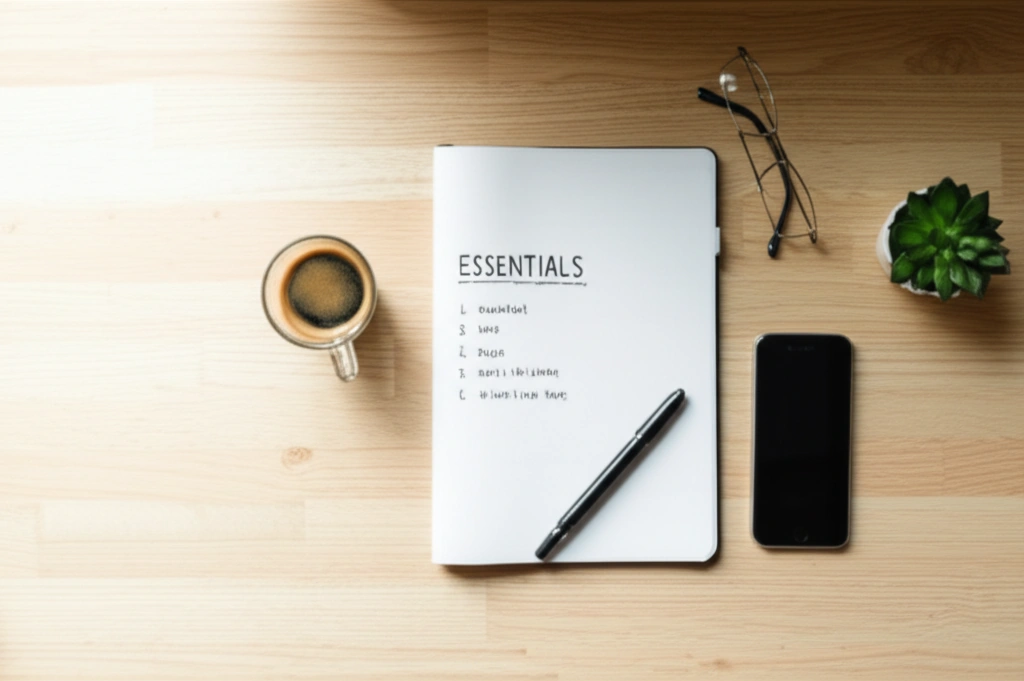
Personal Essentials & Everyday Carry
These are the small but mighty tools of your daily life—the things you don’t leave home without:
- Wallet (keep it slim with just ID, cards, and some cash)
- Phone (duh!)
- Keys (hopefully minimal sets!)
- Glasses and sunglasses
- A watch or fitness tracker, if you’re into that
- An optional small multitool for DIY heroes out there
If you’re traveling, consider swapping bulky items for digital passes or collapsible gear. For example, replacing a traditional water bottle with a folding one can save serious space. These swaps help keep your essentials light yet functional.
Capsule Wardrobe Essentials
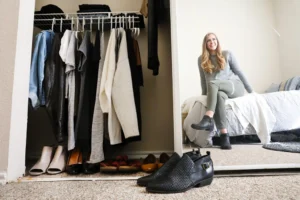
Ah, the classic capsule wardrobe—a minimalist’s style dream. The trick is to invest in a few neutral, mix-and-match pieces that feel good and look great together. Here’s a simple starter:
- 2–4 tops in neutral colors (bonus points for breathable fabrics)
- 1 or 2 bottoms: maybe a pair of jeans and a skirt or slacks
- 1 jacket or coat suited for your climate
- 2 pairs of shoes: one comfy casual, one dressier option
- Underwear and socks—enough to get you through laundry cycles
And of course, depending on the weather, you might add a scarf or some layering pieces. The idea is to keep your wardrobe functional and fuss-free without sacrificing your vibe.
Bonus: I love recommending minimalist lifestyle clothing for tips on fabrics and building a wardrobe that’s both sustainable and stylish. Quality over quantity really pays off here.
Home Essentials: Kitchen, Bedroom, Bathroom
Your home is your sanctuary, so minimalism here means keeping what you actually use and love, not an empty shell.
Kitchen:
- A reliable chef’s knife (seriously, just one good one can do wonders)
- A sturdy cutting board or two
- An all-in-one cooking appliance like a Dutch oven or slow cooker
- Basic utensils, plates, and cups—think one set per person + a couple extras
Bedroom and Living:
- A simple but comfortable bed setup
- Bedding essentials that feel cozy, not overwhelming
- Minimalist furniture—like a dresser that doubles as storage, or a bench with hidden compartments
Bathroom:
- A couple of towels (you really don’t need a dozen!)
- Basic toiletries that fit your daily routine
- A well-stocked first-aid kit (trust me, you’re glad to have one!)
If you want a deeper dive on owning less and loving it at home, check out this minimalist possessions list that helps you think room by room.
Digital & Media Essentials
The fewer physical media cluttering your space, the better. Today, a smartphone and maybe a tablet or small laptop can cover almost all of your digital needs. If you love reading, an e-reader can replace a stack of books (which also simplifies moving day). Cloud storage and streaming services help you avoid hoarding CDs or piles of paper.
Safety & Sentimental Must-Keeps
Don’t let minimalism fool you into feeling unprepared. Some things deserve a sacred spot in your life:
- First-aid kit — a simple, well-stocked one
- Fire extinguisher — don’t wait until it’s too late
- Small basic tool kit for quick fixes
- Emergency water and food reserves (enough for a week, just in case)
And don’t be shy about keeping a few sentimental treasures that truly spark joy—minimalism doesn’t mean erasing your past, it means valuing what you keep.
Also, if you’re curious about what to clear out safely, browsing a minimalist list of things to get rid of can help avoid those “uh-oh” moments.
Sample Minimalist Essentials Lists
To give you a practical head start, here are three pared-down templates. These aren’t rules; think of them as starting points to tweak and mold to your life.
| Type | Number of Items | Focus | Example Items |
|---|---|---|---|
| Small Apartment Starter | ~25 items | Essential living basics | Bed, 2 tops, jeans, 1 knife, plates, towels, phone, keys, wallet |
| Comfortable Living + Hobbies | ~50 items | Living + creative outlets | Basic wardrobe, kitchen gear, laptop, art supplies, favorite book |
| The 100 Items List | ~100 items | Balanced lifestyle with extras | Full capsule wardrobe, kitchen tools, digital devices, emergency kit |
The key is grouping items logically—like counting socks as one “set” or digital subscriptions instead of physical books. This method was popularized by minimalists who refuse to obsessively count every single gizmo, focusing instead on intentional ownership.
How To Curate Your List
Step 1: Take Stock
Grab your phone and snap pics of every room. Or better yet, write down everything you use regularly. A little audit helps you see patterns and redundancies.
Step 2: Rate Your Stuff
Create a simple scoring system based on usage, joy, and replacement cost. For example, 3 points if you use it weekly, 2 if it saves you time or money, and 1 if you love it. Add them up and spot clear keepers and ¯items begging for the door.
Step 3: Purge With Patience
Set realistic timelines: 30–60 days for easy stuff, 90 days for emotional items. Step back before tossing anything permanently. You’ll sleep better knowing you gave it time.
Step 4: Keep It Lean, Live It Well
Do a quick season review and try the one-in-one-out rule to avoid unsustainable accumulation.
Why Balance Matters
Sure, owning less can bring peace of mind, easier cleaning, and saved money. But don’t forget the flip side—sometimes you need backups, sentimental reminders, or little splurges to keep life interesting.
It’s totally normal to be scared of losing something “just in case.” That’s why I always recommend thoughtful storage solutions rather than complete “zero possession” drives. Keeping essentials without clutter is an art that evolves with you.
A Real-Life Peek
One friend I know—inspired by the “everything i own minimalist woman” idea—managed to scale her wardrobe to just 30 items. She feels lighter, yet still stylish and confident daily. Another traveler I met shared how switching to a 50-item minimalist packing list transformed their trips from stressful to joyful (and seriously light on their back!).
These stories aren’t about perfection, but about freedom—freedom from stuff that weighs down your body, brain, and spirit.
Tips From Experts
Experts like Leo Babauta and The Minimalists often say: choose quality, not quantity. Invest in pieces that last, serve multiple purposes, and make you smile. Studies even back up how reducing clutter eases stress and boosts creativity—which sounds pretty great, right?
Remember, minimalism is about a lifestyle of choice, not deprivation. And if you ever feel stuck, professionals like organizers or even therapists can help you navigate the emotional side of letting go.
That said, if you’d like more inspiration on dressing minimalist or organizing belongings, check out resources on minimalist lifestyle clothing, a minimalist possessions list, and a practical minimalist list of things to get rid of. They really help make the process feel manageable.
Wrapping It Up
So, what’s the takeaway here? A minimalist essentials list is less a strict tally and more your personal toolkit for calm, clarity, and joyful living. It’s about making space—physically and mentally—for what matters most.
Pick a category that feels easiest and start there. Maybe audit your wardrobe or kitchen, use the 3-question test with your things, and go at your own pace. Trust me, once you start feeling that fresh air of simplicity, it’s addictive.
What’s your essential item you can’t live without? Or maybe one thing you’re ready to finally let go? I’d love to hear your thoughts—because this journey is so much better when shared.