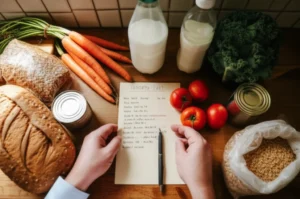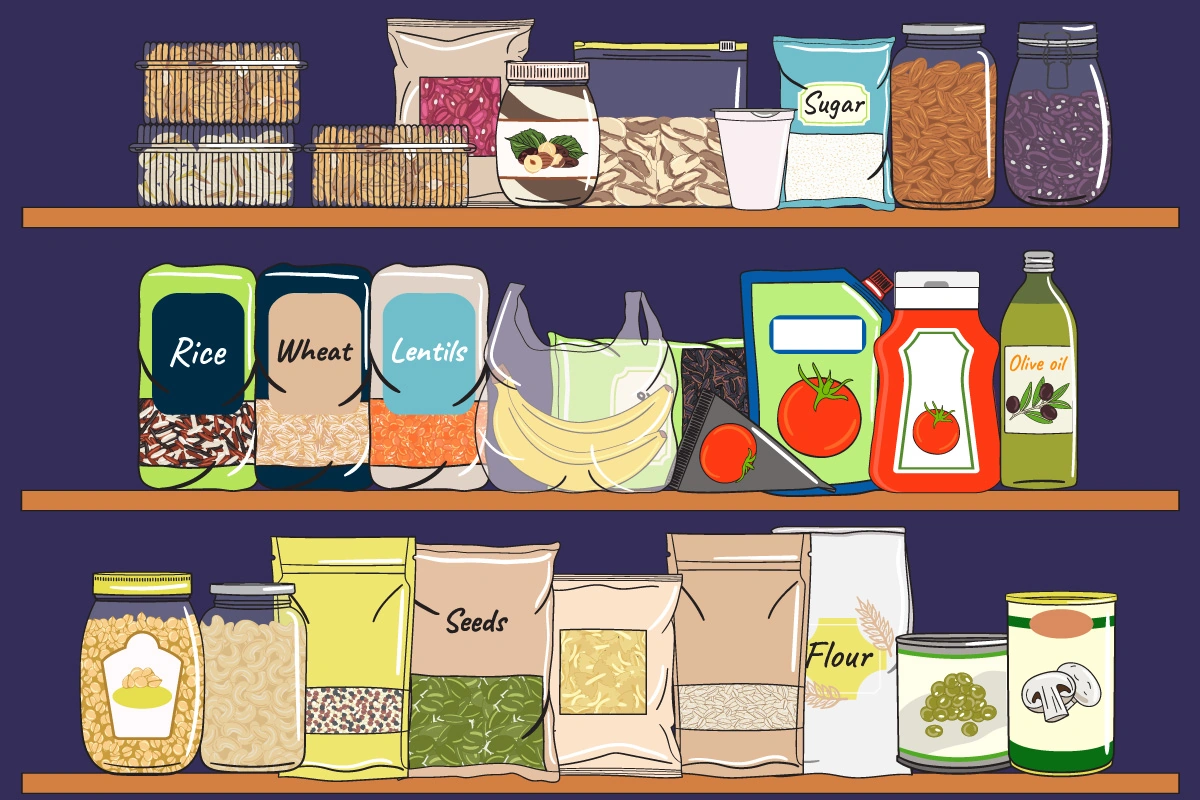
Cutting grocery costs comes down to one principle: being strategic, not strenuous.
That begins with maintaining a set of pantry (and freezer) basics so you can create flavorful meals quickly and with little fuss.
Keeping food expenses down is always useful, and it’s even more critical as grocery prices climb. Food costs rose 3.2% from July 2024 to July 2025, according to the Bureau of Labor Statistics. Several elements contribute to the uptick, including higher energy and shipping expenses, tariffs and increasing labor costs.
Why Is a Well-Stocked Pantry Smart?
A stocked pantry makes it simpler and more affordable to prepare meals at home instead of ordering takeout. When your cupboards are filled with staples, you can take advantage of store discounts and assemble dinner without having to purchase every single ingredient.
For instance, if ground beef is on sale and you already have dried breadcrumbs, bottled red sauce and dried spaghetti, you’re nearly set to make a quick plate of spaghetti and meatballs. Buy a few fresh vegetables and you can turn canned beans and broth into a satisfying black bean soup. And it’s a bonus if there’s a loaf of French bread tucked in the freezer.
The Budget Cook’s 11 Kitchen Staples
- Whole grains and breads
- Pasta
- Beans and legumes
- Baking essentials
- Nuts and seeds
- Oils and vinegars
- Condiments and sauces
- Dried herbs and spices
- Shelf-stable items
- Frozen fruits and vegetables
- Fridge essentials
If you’re trying to reduce takeout and want to fill your cupboards economically, prioritize these pantry must-haves so you can mix together quick, low-cost dishes. Watch for promotions and sales.
Also, this list is extensive and you don’t need every item. If your household dislikes peas, skip that frozen bag. Same goes for pickles and olives — though some people rely on them to brighten salads and sandwiches.
1. Grains and Breads
- Rolled oats
- Quinoa
- Rice (long-grain, short-grain, brown)
- Breads
- Muffins
- Bagels
- Corn and flour tortillas
- Cereals
Quinoa and rice are reliable foundations for grain bowls, taco bowls and fried rice. They also let you quickly put together a flavorful quinoa curry.
Rolled oats are flexible pantry players. Beyond overnight oats and baked treats, you can toss oats into smoothies or make your own granola.
Having several types of bread on hand is useful. Nearly anything can become a sandwich between two slices, or stuff tortillas with cheese and veggies for a quesadilla. If you have tuna and bagels, consider an open-faced tuna melt.
Keeping staples like whole grains on hand helps reduce waste—turn leftovers and spare produce into new meals.
If you spot bread on sale, buy a few loaves and freeze them for later use.
2. Pasta
- Spaghetti
- Penne
- Shells
- Couscous
- Rice noodles
- Egg noodles
You don’t have to buy every type listed — a long pasta and a short pasta cover most needs.
Say that three times quickly.
Your short pasta (elbows, shells) is great for mac and cheese or a pasta primavera using leftover vegetables. Long pastas (spaghetti, fettuccine, angel hair) pair well with sauces like Alfredo, pesto or marinara. Add rice noodles or egg noodles to make dishes like pad thai or a simple miso ramen.
3. Beans and Legumes
- Chickpeas (garbanzo beans)
- Lentils
- Black beans
- Kidney beans
- Refried beans
- Lima beans
- Black-eyed peas
Beans and legumes are much cheaper than meat and are an economical source of protein for soups, chilis and tacos. Roasted chickpeas are a crunchy salad topper, while lentils are perfect for curries.
You can buy them canned for convenience, but dried beans are usually less expensive. Store dried beans in jars for an attractive counter display. Dried chickpeas make it simple to blend your own hummus.
Canned beans are convenient and store brands often cost less than national brands. Rinsing canned beans can remove excess sodium before using.
4. Baking Essentials
- All-purpose flour
- Granulated sugar
- Brown sugar
- Baking powder
- Baking soda
- Powdered sugar
- Vanilla extract
Flour is useful for more than cakes and breads. Use it for pancakes, biscuits or homemade egg pasta. Flour also thickens soups and sauces.
A little sugar helps produce sweet-and-savory glazes or a quick fruit crisp in the microwave.
Sugar shouldn’t dominate your diet, but a small amount is helpful in the kitchen. You’ll probably consume less sugar when you bake at home than when buying processed sweets. Some homemade sauces also benefit from a touch of sugar to balance heat or acidity.
5. Nuts and Seeds
- Almonds
- Peanuts
- Cashews
- Pecans
- Pumpkin seeds (pepitas)
- Shelled sunflower seeds
Nuts and seeds pull double duty: they’re a convenient snack and they add crunch to salads, oatmeal and baked goods. They also complement certain savory dishes, like cashew chicken.
Watch for sales because nuts can be expensive.
Nuts are nutritious — pumpkin seeds deliver protein and many essential nutrients. Nuts provide healthy fats and other benefits, so reach for these snacks instead of chips. You can also save by buying nuts and seeds in bulk.
6. Oils and Vinegars
- Olive oil
- Vegetable oil
- Sesame oil
- White vinegar
- Apple cider vinegar
- Balsamic vinegar
- Coconut oil
This combination enables tasty marinades and dressings. Apple cider vinegar makes a bright vinaigrette, while sesame oil mixed with peanut butter and soy sauce becomes an excellent peanut sauce.
Expanding your selection with balsamic or rice vinegar increases your culinary options. If you end up with excess vinegar, try canning vegetables.
Coconut oil has many uses beyond cooking, making it a useful pantry item.
7. Condiments and Sauces
- Mayonnaise
- Dijon mustard
- Soy sauce
- Hot sauce
- Honey
- Worcestershire sauce
- BBQ sauce
Condiments and sauces can revive dull meats and vegetables and act as the binding element in many dishes, such as egg salad. A dash of hot sauce can rescue many recipes.
Don’t let your condiments languish in the fridge — there are plenty of clever ways to use them up.
8. Dried Herbs and Spices
- Salt
- Pepper
- Garlic powder
- Onion powder
- Ground cumin
- Italian seasoning
- Crushed red pepper
- Cinnamon
Salt and pepper are basics. Pre-minced garlic saves time and makes it easier to add garlic flavor to dishes, bringing you closer to homemade garlic bread.
Cumin is handy for many Mexican-inspired recipes. Italian seasoning is a time-saver because it combines common herbs in a single jar. Crushed red pepper is easy to replenish from pizza packets, so keep a container on hand.
9. Shelf-Stable Foods
- Tomatoes (whole peeled, crushed, diced, puréed)
- Peanut butter
- Nut butters
- Pasta sauces
- Coconut milk
- Stock or broth
- Corn
- Canned tuna
- Canned chicken
- Salsa (red and green)
- Olives
- Capers
- Pickles
- Raisins/dried cranberries
This category often includes canned goods, but items may also come in jars, resealable bags or cartons. Check labels because some foods require refrigeration after opening.
Coconut milk, stock and tomatoes form the base for many soups, chilis and curries. You can cook rice or quinoa in stock or coconut milk for extra flavor.
Having a jar of quality pasta sauce is convenient on busy nights, even though making a basic marinara at home is simple.
Peanut butter toast is a reliable snack — and peanut butter has many practical uses around the house.
If you’re doing a pantry challenge to use what you have before buying more groceries, a good supply of shelf-stable goods will help you create satisfying meals.
Also consider adding a checklist of food pantry staples to guide your shopping and make sure your cupboards are always ready for dinner.
10. Frozen Fruits and Veggies
- Spinach
- Peas
- Mixed vegetables
- Berries
- Mixed fruit
- Veggie patties or nuggets
- Edamame
Although technically in the freezer, keeping a stocked freezer ensures you always have prepared vegetables, plant-based proteins and fruits. Roast frozen vegetables for an easy side, or toss frozen berries into muffins or other baked goods.
If you crave convenience frozen items like dumplings or pizza, don’t feel guilty — satisfying cravings at home will almost always cost less than takeout.
11. Fridge Essentials
- Butter
- Eggs
- Milk
- Plant-based milks
- Cheeses (cream cheese, Parmesan, cheddar)
- Yogurt
The refrigerator can be thought of as part of your pantry, since these items help you cook from scratch more easily.
Eggs remain an economical meal base despite price changes. Store brands are often the best value. Eggs, along with canned beans, salsa and tortillas, make a quick and affordable dinner like huevos rancheros.
Contributor Mara Bennett frequently covers personal finance, real estate and lifestyle topics for Savinly. Alex Turner is a former staff writer at Savinly.
Assigning Editor Jordan Hale updated this post.