If you’ll be hosting grandchildren, nieces, nephews this summer — or you’re a babysitter, nanny or family member caring for children while school’s out — you don’t need to spend a fortune to keep youngsters busy and off screens.
12 Free or Low-Cost Summer Activities for Kids
From dollar-store treasures to a simple elevator ride, here are 12 free or inexpensive ideas to entertain children this season.
1. Visit the Fire Station
Most fire stations nationwide welcome children for a tour. Kids can pose for memorable photos with firefighters, receive stickers and listen to an important safety talk. They may even try on a firefighter’s hat, sit in a fire truck or peek into the station kitchen to see what’s cooking. Call your local firehouse ahead of time to arrange a visit — some stations request a small group while others are fine with just one child.
2. Catch an Affordable Movie
Many theaters run budget-friendly children’s screenings during summer. Some flicks cater more to kids, while others have humor that appeals to all ages.
Pack popcorn made at home into plastic bags to bring with you in a roomy purse or diaper bag. Alternatively, stop at a discount shop en route and let the kids choose a small treat that fits easily in a pocket. Bring a couple of empty plastic cups to refill at a water fountain.
AMC Theatres,Cinemark theatersandRegal theatersoffer seasonal programs — check their sites for details.
3. Gather Natural Treasures
Take a stroll through your neighborhood or to a nearby park with the goal of collecting bits of nature. Fill a clear plastic container (the kind strawberries come in) with pinecones, acorns, flower buds, rocks, leaves, bark or twigs.
Need a container? Trader Joe’s sells peaches in a clear, curved plastic tub with a handle that opens down the middle.
Kids will love filling a “collect-a-box.” At home, they can set up a little nature exhibit by arranging items in an old muffin tin or on posterboard and labeling each find (an adult can help with the writing).
Or make a nature bracelet: loosely wrap duct tape, sticky side out, around a child’s wrist (and yours) and press petals, leaves and other lightweight finds onto the tape.
4. Clean Up a Park or Beach
A walk through a park or along the shoreline becomes meaningful when you’re gathering litter to help protect wildlife. It’s never too early to teach children that trash can harm birds, turtles and other creatures if mistaken for food.
5. Going Up?
Long elevator rides might be boring to hurried adults, but young children often find them thrilling — especially if they rarely ride beyond a few floors. Let them press buttons and enjoy a longer ascent. Elevators with glass walls and views are even more exciting.
Pick the tallest building in town and take a ride. Buildings open to the public — such as hotels with top-floor restaurants — usually allow visitors to use elevators, but corporate offices might restrict access without an appointment.
6. Construct a Fort
Meals, story time, movies or naps are far more fun inside a fort. Use couch cushions for walls and drape a sheet over them, or string a sheet over a low branch or between two bushes. Clothes pins from the Dollar Tree can help keep sheets in place.
7. Visit Your Local Library
Books are wonderful and free year-round, but libraries often expand their kid-focused offerings during summer with story hours, puppet shows and movie nights. Check your library’s website or give them a call to learn what’s scheduled.
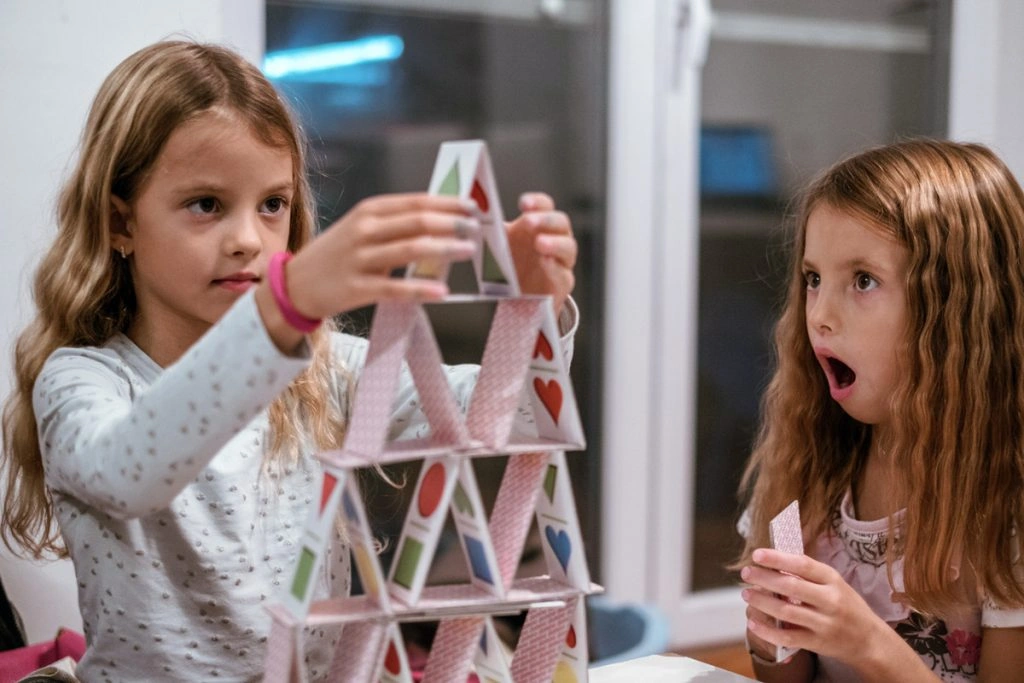
8. Build a House of Cards
This activity suits ages 8 to 80. Use several decks to build a tall tower or many small houses to create a village. Work on a table so you can pause and return later. YouTube has numerous tutorials — this video promises “the easiest card tower of your life.”
9. Look for Free Events from Local Government
Many towns and cities host free family-friendly events throughout the summer.
Browse municipal event calendars near you and start planning outings.
10. Enjoy the Berm
Many Minor League Baseball parks feature a berm — a grassy bank that gives smaller stadiums charming character. Berm tickets are typically cheaper than stadium seats and can be as low as $1 for some nights.
Check local minor league schedules for summer promotions. For example, the Clearwater Threshers in Florida have offered $1 berm seats on nights when hot dogs and drinks are also $1.
It may cost a bit more, but if the kids love baseball, consider joining a team’s kids’ club for added perks.
11. Discover Finds at the Dollar Tree
Buy dollar-store items (priced around $1.25 each in stores) and you’ve got simple, inexpensive supplies for hours of play. (Online orders may require a minimum purchase, but in-store shopping avoids that.)
Here are a few options:
- Plastic bat and ball set. These bats are sometimes wider than standard ones so younger players have more success hitting. Narrower bats are often available as well.
- Muffin tin. Not just for baking — muffin tins are great for displaying shells or nature finds, or for sorting coins, stickers, crayons and small toys.
- Puzzle chain. This toy (for kids over 3) uses large beads that connect into different shapes — see how many designs you can invent.
12. Do Crafts
Pick up a roll of white butcher paper (about $10 at craft stores) for many projects, and you likely already have paints, glue, magazines and tape. If not, dollar stores offer affordable art supplies.
Here are 10 inexpensive crafts to try with kids:
- Underwater mural.Create a mixed-media ocean scene using pictures of sea creatures cut from magazines or junk mail, fabric scraps or construction paper. Paint or color a 6-foot piece of butcher paper in shades of blue and green for water, then glue on the sea creatures and add drawings or stickers.
- Box lid zoo.Attach popsicle sticks vertically to the edges of a box lid or pizza box to make fences for animal habitats. Fill each enclosure with terrain from the yard — rocks, mulch, grass or sticks. Make feeding troughs from condiment containers and add plastic animals from the Dollar Tree or craft shop.
- Your Town, U.S.A.Build a mini city from boxes and cartons covered in paper, then decorate with markers, magazine clippings and stickers for doors and windows. Combine boxes to make larger buildings and place them on a long sheet of easel paper drawn with roads, parking spots and parks. Add toy cars. For tall boxes, put something heavy inside (a stapler, rock or paperweight) to keep them stable.
- Outer space mural.Use aluminum foil, magazine clippings, fabric scraps, stickers, crayons, paint, bottle caps and natural items to craft a scene from another planet. Kids can design houses, vehicles, inhabitants and landscapes — there’s no “right” way because it’s their imagined world.
- Boat parade.Cut open one side of boxes so they can hold passengers like dolls or plastic animals. Cover them with construction paper and decorate with stripes and boat names. Make flags by taping fabric or paper to a straw or pipe cleaner.
- Cruise ship mural.Draw a cruise ship on a 6-foot sheet of easel paper — a long oval with horizontal deck lines and a few smokestacks. Kids can add portholes, pools, life rings, passengers and more using drawings or magazine cutouts. Create railings from taped popsicle sticks and paint water and marine life around the ship.
- Dollhouse.Glue together four large cardboard boxes — two side-by-side on the bottom and two on top — with open sides facing outward for a simple four-room dollhouse. Use fabric scraps, dryer sheets or napkins for blankets and curtains. Draw furniture and appliances inside or paste in pictures from magazines.
- Tree house mural.Stand a 6-foot easel paper vertically and have kids create a tall tree with their dream tree house at the top. Paint the trunk and add textures from nature, magazine images or fabric. Design a simple platform or an elaborate multi-level house with stairs and lookout decks, and embellish with glued-on materials.
- Farm.Use larger grocery or liquor store boxes for horse-sized stables and shoe boxes for smaller animal shelters. Tape smaller boxes inside larger ones to make stalls, add feeding troughs from condiment containers or foil-covered boxes, and fill with leaves or grass for food.
- Tropical island mural.Draw a curved shoreline on a 6-foot sheet of easel paper and color it like sand. Glue sticks and leaves or magazine images to form palm trees and lush foliage. Add fabric or paper hammocks between trees, cut-out rocks and waterfalls, and pictures of huts, animals and tropical flowers.