Farmers markets feel like a little bit of enchantment—warm sun, crisp produce, the scent of fresh herbs, and maybe someone picking a tune near the pumpkins. But let’s be honest: it’s easy to overspend while admiring the heirloom tomatoes. Here’s how savvy shoppers snag top picks without emptying their wallets or overfilling their reusable bags.
Shop Toward Closing Time for Big Markdowns

Vendors often slash prices as the market winds down because they’d rather sell something than pack it up. That makes produce that’s hard to store into great bargains. Many traders will add extras or even invite offers to clear out their stalls. Turn up an hour before the market closes and you’ll likely find the best last-minute deals.More From Savinly:The Dumbest Things We Keep Spending Too Much Money On
Purchase in Bulk to Lower the Price Per Pound

Buying larger quantities usually reduces what you pay per pound. Stall owners like moving big loads and are often willing to throw in bonus items. Large purchases tend to be remembered — and sometimes rewarded — and they’re perfect for freezing or sharing with neighbors. Ask about bulk pricing and see how much you can shave off your total bill.Make money easier.Sign up for Savinly’s newsletter today.
Bring Cash and Small Denominations

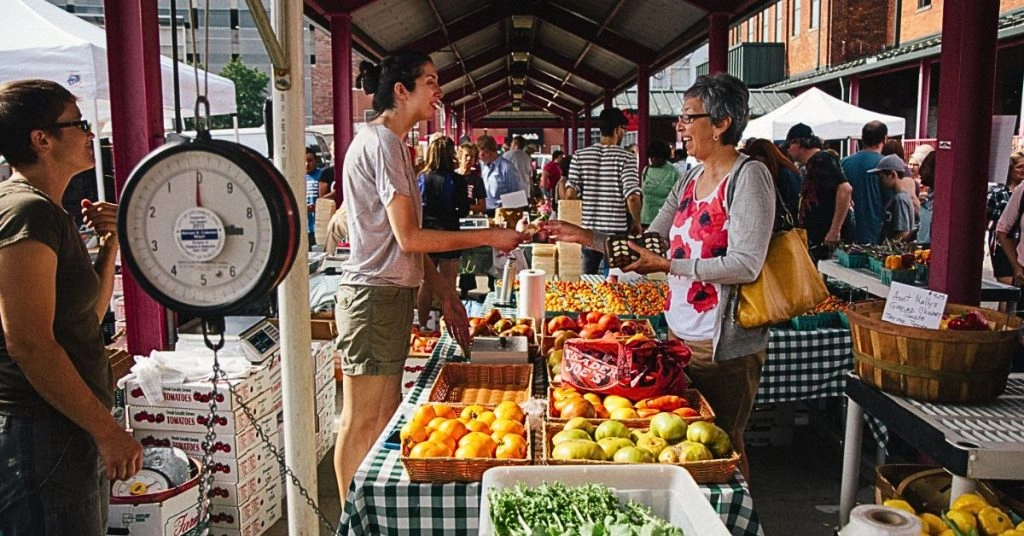
Cash still carries weight at farmers markets. Sellers often offer better deals for cash because it spares them card fees. Small bills prevent awkward situations when change is scarce, and paying close to the asking amount can sometimes prompt a friendly reduction. Don’t rely solely on digital payments—cash helps you stick to a budget and can unlock savings.More From Savinly:Best Cash Back Rewards Credit Cards to Earn Money While You Spend in 2025
Chat With the Growers

Talking pays dividends. Regulars who engage with vendors often hear about special offers before signage appears. Returning shoppers build rapport and can receive significant discounts. Asking about where produce comes from and what’s in season helps you buy wisely—growers usually appreciate that interest. A friendly conversation might reveal deals others miss.More From Savinly:The Best Rewards Credit Cards to Maximize Your Spending in 2025
Stick to a Meal Plan

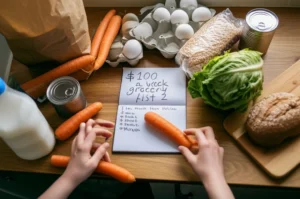
Meal planning cuts down on impulse purchases. A shopping list helps you bypass tempting extras and protects your budget. It also reduces the chance of greens wilting away in the fridge. Vendors respect focused shoppers and may offer a better price if you buy with intention. Know what you need and save from the outset.More From Savinly:Our Picks for The Best Bank Promotions This Month
Compare Prices Before Committing

The cost of a bunch of carrots can vary widely from stall to stall, so do a quick circuit before buying. A full lap usually takes less than 10 minutes and can help you spot early markdowns or the best bargains. Smart shoppers know the first table they see might not offer the lowest price. Scan the market, then make your purchase.More From Savinly:Budgeting 101: How to Budget Money
Opt for “Ugly” Produce

Looks aren’t everything. Imperfect fruits and vegetables offer the same nutrients at lower prices. Stallholders frequently bag up “seconds” at steep discounts just to move them. Choosing misshapen produce reduces waste and supports more sustainable shopping practices. Experienced buyers know that attractive appearance doesn’t always equal value.More From Savinly:Ditch Overpriced Car Insurance Now — Save $500 Today
Shop During Inclement Weather

Bad weather often drives crowds away, but not the bargains. With fewer customers, sellers tend to be more flexible because they don’t want produce to spoil in the rain. Discounts can appear on the spot, and some vendors even reward determined shoppers with extra perks. Bring a raincoat and you may walk away with better prices.More From Savinly:5 Strategies to Consolidate Your Credit Card Debt
Seek Out Bundle Offers

Bundles deliver variety and value in one purchase. Traders like clearing mixed boxes quickly and will pass on the savings. These curated packs usually cost far less than buying each item separately. You might discover new favorites while saving money—sometimes a pleasant surprise pays off.More From Savinly:What is Debt Settlement and How Does it Work?
Buy Only What’s in Season

The natural growing cycle is the best pricing guide. When crops are in abundance, prices drop and freshness is at its peak. Out-of-season items often travel long distances, which raises cost and reduces flavor. Choose what’s locally ripe now—it tastes better, costs less, and backs nearby growers.More From Savinly:Ditch Overpriced Car Insurance Now — Save $500 Today
Bring Reusable Bags and Containers

Always arrive with your own bags and watch the tiny savings pile up. Vendors appreciate customers who reduce packaging, and it can lower their costs—a benefit for both parties. Your bags are usually stronger and more comfortable to tote. It’s a small routine that yields big results for your wallet and the planet.More From Savinly:Here’s How to Start Saving Money — Even If You Don’t Have Room in Your Budget
Split Bulk Purchases With Neighbors

Make market trips social. Pooling large purchases with friends or neighbors helps you split costs and prevents spoilage. You’ll access more variety at lower prices and try pricier items without the full expense. It’s a social bonus too—shopping becomes a small community outing that supports local producers.More From Savinly:The 28 Best Side Hustles: Our Top Picks to Help You Make More Money
Avoid Pre-Packaged Selections

Steer clear of pre-wrapped trays and shop the loose bins instead. Loose produce typically costs less per pound and lets you handpick the freshest pieces. Pre-packaging can hide bruises or mold you’d rather avoid, and it generates more plastic waste. Plus, you get precisely the items you prefer.More From Savinly:17 Make-Your-Own-Schedule Jobs You Can Do From Home
Follow Markets on Social Channels

Many farmers markets post limited-time specials, early-bird offers and loyalty perks on social media. Those posts help you time visits when discounts are available. Staying connected can get you coupons or an insider tip about next week’s bargains.
More From Savinly:How to Choose a Credit Card That is Right For You
Use Everything You Buy

Make the most of every purchase. Carrot tops and broccoli stalks are edible and nutritious. Scraps you don’t eat can flavor stocks or go into compost. Learn proper storage techniques to prolong freshness. Using more of what you buy cuts waste and stretches your food budget further.
More From Savinly:
- The 6 Best No Annual Fee Credit Cards of 2025
- The 5 Top Apps for Saving Money in 2025
- 6 Free Budgeting Templates To Help You Save In 2025
- How to Invest with AI: Tools and Tips for 2025