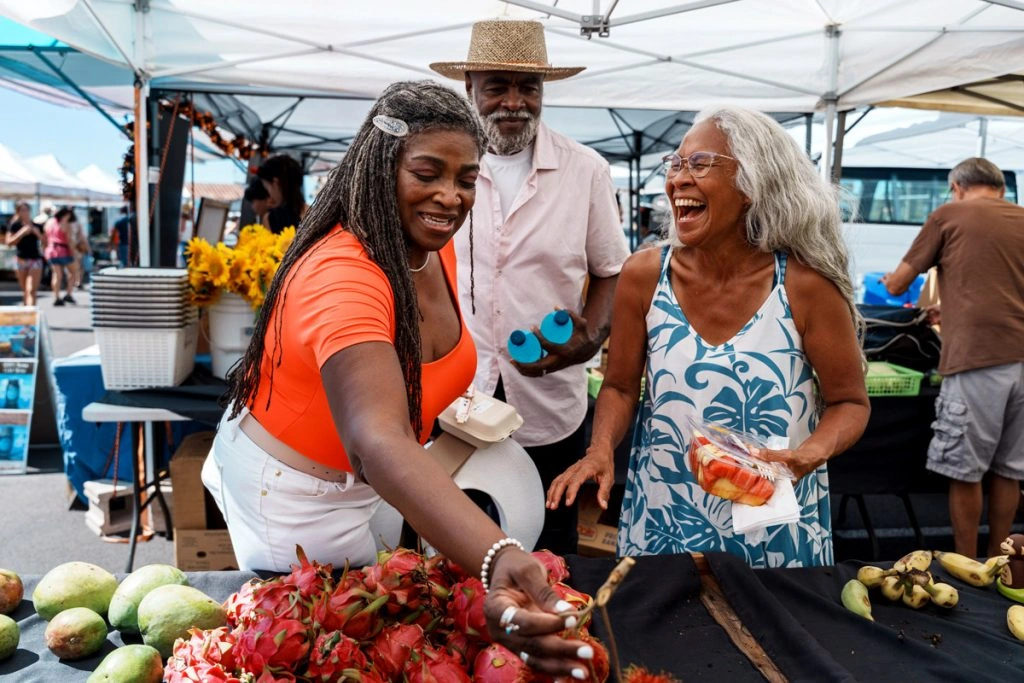
Grocery spending is a major pressure point for numerous American families. Food costs climbed 23.6% between 2020 and 2024, according to theUSDA Reporton Food Price and Spending, which hit lower-income households particularly hard — roughly 30% of their income goes toward groceries.
Still, neighborhood farmers markets can offer a ray of hope for those hunting for fresh, budget-friendly food.
In addition to delivering high-quality produce, they let consumers support local vendors. This guide will walk you through smart ways to save when shopping at farmers markets.
How to Save at Farmers Markets
Farmers markets can definitely reduce your grocery bill on fresh produce. But they bring more than just cost savings. You can form connections, practice bargaining, and get to know your neighborhood. Here’s how to get the most value from your market visit.
Choose the Right Farmers Market
Farmers markets operate on seasonal cycles within a connected local ecosystem, much like a coral reef. Tuning into this natural ebb and flow of supply and demand can help you save. Being aware of timing and weather can let you shop when the market is calmer and conditions are better for deals.
Seek Out Seasonal Produce
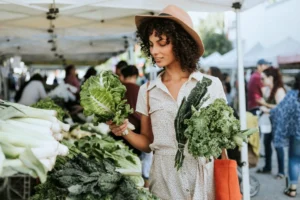
Each season brings a unique selection of produce at peak ripeness and flavor. Seasonal items tend to be fresher and more affordable — whether it’s crisp fall apples, early spring strawberries, or juicy summer corn.
Avoid impulse buys. Walk the market slowly and compare stalls to spot vendorsoffering specials or markdowns.
Use Bad Weather and Closing Time to Your Advantage
While sunny weekends feel perfect for market outings, inclement weather can actually benefit shoppers. When conditions worsen — or as the market winds down — fewer people are around.
Farmers who want to move remaining stock will frequently reduce prices, making the tail end of the market an ideal time to find bargains.
Foster Relationships, Haggle a Little, and Embrace “Seconds”
Talking with growers about their methods, what’s in season, or favorite ways to prepare produce can pay off. Those connections not only enrich the experience but sometimes result in special offers.
A commonmarket secretis the presence of “seconds.” These fruits and vegetables don’t meet grocery-store cosmetic standards but keep all the taste and nutrition. Choosing“B-grade” producecan lead to significant savings.
Explore Different Markets for Travel and Discovery Perks
As you get more comfortable navigating local markets, you may become curious about offerings in other towns. Weekend excursions to explore those markets can broaden your culinary horizons and provide a fun outing.
Visiting markets in neighboring areas or new regions helps you compare different stalls and specialties. It’s a pleasant way to expand your knowledge and enjoy a day trip.
If you often travel to distant markets, consider usingeat local and save shopping at farmers marketsand travel rewards cards to rack up miles while you pick up fresh goods. This approach gives you two wins — saving on local produce and earning points or miles to fund future excursions. Buying in larger quantities when you find a great vendor also helps you plan and build rapport with sellers.
Other Ways to Maximize Your Farmers Market Experience
While the direct cost savings are appealing, the wider benefits to your local area and the planet are often even more meaningful than just the price tag. Here are five tips to amplify those advantages:
- Research the Clean 15 and the Dirty Dozen to get the best value from your produce choices.
- Return reusable egg cartons and berry trays to vendors to build goodwill.
- Bring cash and small change, as many sellers favor it.
- Buy in bulk and split purchases with friends or family to stretch your dollars.
- Preserve surplus by freezing, canning, or pickling to extend shelf life.
Beyond Savings: The Value of Farmers Markets
Farmers markets are more than places to purchase fresh, seasonal food. They contribute to the overall health of communities.
When you shop locally, you:
Support your local economy and cut down on waste.
Buying directly from small-scale growers and artisans helps sustain neighborhood businesses, creates jobs, and strengthens community ties. This direct connection brings accountability and a personal touch that mass-produced supermarket items lack.
You also help reduce the environmental cost of food transport. Unlike supermarket items that often travel long distances, many farmers market goods originate from nearby farms.
Promote community engagement and healthier eating habits.
Farmers markets often double as community hubs, hosting events, demonstrations, and cultural activities that encourage participation and connection. Many markets also work with SNAP/EBT programs.
Programs vary by state and locality, but some offer voucher or coupon schemes to match or discount SNAP/EBT purchases at markets. These incentives can provide immediate savings or extra funds specifically for produce.
Farmers Markets: Save, Eat Well, and Strengthen Your Community
Farmers markets are an effective way to ease the pinch of rising food costs. They emphasize fresh, whole foods over processed options, making it likelier you’ll fill your cart with fruits, vegetables, and other health-focused items. Over time, choosing these foods can improve overall well-being and potentially reduce long-term healthcare expenses.
Contributor Jordan Ramirez focuses on personal finance and community food access topics. Jordan is a financial analyst who also coordinates a campus group at the University of Cincinnati that teaches financial skills to students and helps them secure internships and employment.