After holidays or a child’s birthday, many parents begrudgingly examine the aftermath on their credit cards. With ever-more advanced and pricier playthings appearing each year, keeping up can feel overwhelming, especially with potential price surges linked to tariffs. But what if there were a way to dodge those steep costs? What if you could obtain toys for your children at no charge? Better still, what if your kids could becompensatedfor trying out toys?
A Fun Gig for Kids: Toy Evaluation
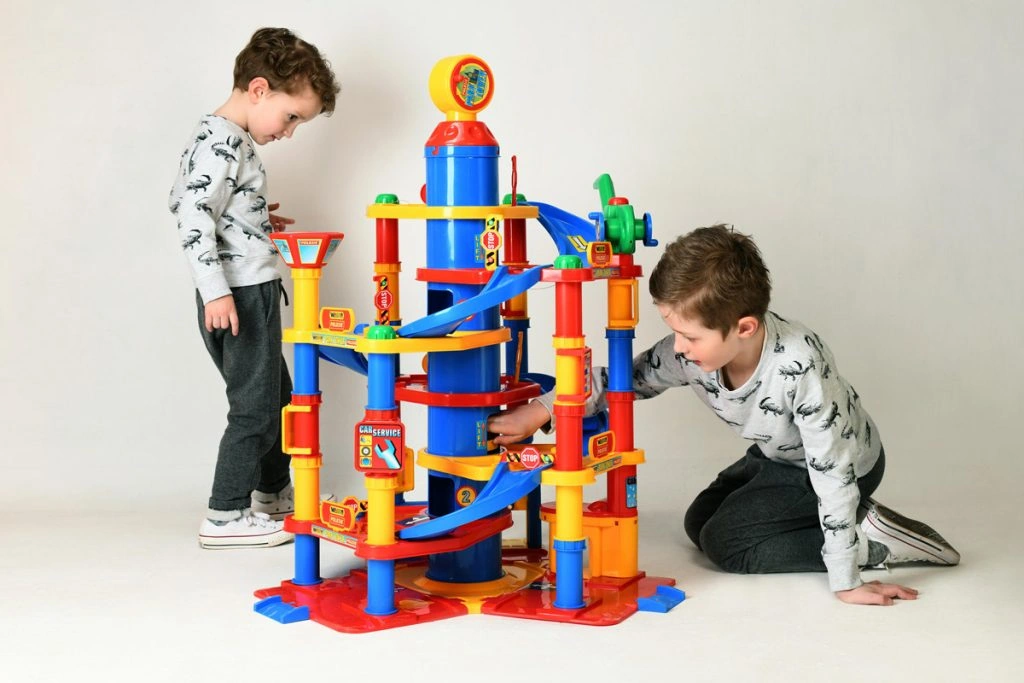
It may sound surprising, but it’s completely doable. Numerous reputable toy manufacturers recruit everyday children to act as toy evaluators. If you want your youngster to participate, age requirements differ by program, but typically firms seek children from toddlers up through preteens. The business may either mail a toy for your child to assess or invite you to a toy lab at their corporate offices.
Interested? Below are four pointers to help your child secure the opportunity:
1. Get Ahead of Other Toy Tester Applicants
These roles are uncommon and tend to appear with little warning, so stay vigilant. As reporter Samantha Christmann suggested, be proactive by contacting toy makers directly to inquire about openings. For instance, you can email your contact details along with your child’s name and interests to [email protected] to discover opportunities at Fisher-Price.
2. Monitor Social Platforms
Follow toy brands on Facebook — both big names and smaller firms. For example, the company Step 2 announced on its Facebook page that it sought kids to test a Thomas the Tank Engine bed. The firm planned to send the bed to a handful of families to evaluate. The families were allowed to keep the bed free of charge in return for a product review.
Krystal Butherus, a lifestyle blogger based in Florida, was chosen to test the Thomas the Tank Engine bed after spotting the chance in a bloggers’ Facebook group. Butherus recommends anyone pursuing toy testing to create a blog and social media profiles “to demonstrate influence if you want to be a toy tester.”
“Word-of-mouth promotion still matters to brands,” Butherus said. “And it pays off if you genuinely use the item and enjoy sharing information with friends and family.”
For instance, in 2014 The Warehouse toy chain in New Zealand selected toy testers and awarded them $200 in toys and $8,000 cash for their households! To be considered, kids had to buy a toy from the store and upload a video showing themselves playing with it and explaining why they’d make excellent testers.
Here are a few toy-company Facebook pages worth watching:
Another organization that runs toy studies isL&E Opinions, operated by L&E Research. You can register on their site to receive notifications about new (often paid) toy studies and other market research projects.
If you’d like to hear about toy testing opportunities from Mattel and Fisher-Price, sign up for their company updates via the Fisher-Price Family Club.
To help your kids land these toy-testing chances, make sure they’re at ease on camera and comfortable showcasing their abilities. Toy testing is a valuable way for kids to pick up marketing skills and understand social media influence — all while possibly receiving lots of free toys.
3. Polish Your Digital Footprint
As Butherus recommended, maintaining a solid online presence makes you more appealing to toy brands, even if it’s just an active Pinterest board. The larger your digital reach, the likelier you are to be chosen as a toy tester.
Another route to grow your online presence is launching a toy-review YouTube channel. A well-known example is Evan, a young creator who amassed enormous earnings by testing and reviewing toys on his channel EvanTubeHD. He became a multimillionaire and still posts videos today with more than 7 million subscribers.
If you hope to test toys regularly, begin your blog by reviewing toys you already own. Those posts can serve as a portfolio to demonstrate to companies that you can write and assess products thoroughly.
And if you’re hunting for extra free toys for your child to review on YouTube or a blog, The Freecycle Network is an excellent starting point. This community-driven nonprofit encourages reuse to keep quality goods out of landfills. Freecycle has over 11.6 million members across roughly 5,300 U.S. towns, where people give and receive free items, including toys.
4. Deliver a Detailed Toy Assessment for Brands
When writing a review, be precise about the product: note its dimensions, color, and the recommended age group. Call out any standout or distinctive features. Have your child use the toy for about a month prior to publishing the review so you can report on durability and wear.
Also, don’t shy away from pointing out flaws. Many toy-testing roles are designed to evaluate a product’s safety and dependability, so honest feedback is crucial and sometimes risky. Provide sincere, trustworthy reviews, and companies will appreciate your input.
Although these toy-tester roles may seem too good to be true, plenty of kids aren’t dropping $20 on a new toy. Instead, they can stash that money for future education and enjoy playing with complimentary toys.
Common Questions about Becoming a Toy Tester
How can someone become a toy tester?
You can become a toy tester by contacting companies that are running toy-testing campaigns or promotions. If your child fits the required criteria (often based on age and location), they could be picked as a company toy tester.
How do you obtain free toys to evaluate?
Free toys for review — and sometimes payment in addition — are often available by signing up as a toy tester. Brands frequently seek children in specific regions and age brackets to test their newest releases.