For a first-time homeowner — and even for those with years of experience — caring for a house can seem like a daunting task. While there’s almost always something that needs attention, a handful of seasonal jobs should be prioritized each spring. Enter: this home maintenance checklist. This clear, practical guide helps you decide what to tackle first and how to sidestep common, costly mistakes homeowners often make when spring arrives.
How a Home Maintenance Checklist Protects Your Wallet
Routine upkeep safeguards the money you’ve invested in your home. Most importantly, regular maintenance helps you catch small issues before they become expensive repairs. Preventive care also prolongs appliance life, which translates to long-term savings.
Keeping systems and appliances well-maintained also improves your home’s energy performance. That benefits the environment and trims monthly utility and water bills.
If you’re aiming for larger returns, ongoing maintenance can raise your property’s market value. A home that runs well and looks cared for is more appealing to buyers and often avoids a rush of fixes before selling.
One frequently overlooked advantage is reduced liability. Whether trimming low branches or reinforcing a shaky deck joist, maintaining your property creates a safer space for you, your family and visitors — and lowers the chance of being sued over avoidable hazards.
Essential Spring Tasks for Your Home
Spring cleaning is a universal ritual for a reason: after a long winter it feels great to renew your space and ready it for summer. We all know it’s beneficial, but getting started can be the tricky part.
There are many ways to prepare your house for spring, but these four tasks should be at the top of your maintenance checklist.
HVAC Systems
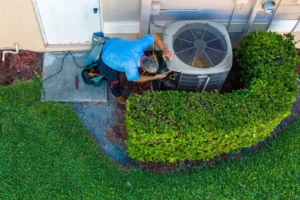
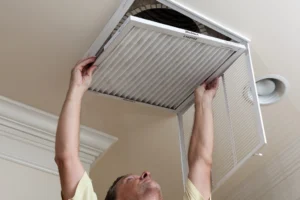
Begin your spring maintenance with the HVAC system. HVACs are among the priciest components in a home, and regular service can help you avoid a large repair down the road. First up, replace your HVAC filter. Follow your system’s guidelines, but a good rule of thumb is every two to three months.
Then schedule a spring tune-up with an HVAC technician. During this service, the tech should inspect the unit, verify thermostat accuracy and check refrigerant levels. These checks reveal the unit’s condition and any recommended repairs. Seasonal servicing typically costs around $100 and can extend the life of your system and prevent a mid-summer breakdown during a heat wave.
Water Heater
The next item on the spring checklist is your water heater. Flushing your water heater at least once a year helps remove sediment, improves efficiency and prevents damage.
Note: if it’s been more than five years since the last flush, many plumbers advise hiring a pro. Heavy sediment buildup can cause issues if flushed improperly, possibly leading to costly repairs.
Landscape
This is a broad category, but a bit of yard work in spring can head off many summer problems. Start by checking your sprinkler system. Winter freezes can damage sprinklers if they weren’t winterized properly, so spring is the time to spot and fix issues before hot weather arrives.
Consider applying a pre-emergent herbicide and fertilizer to your lawn. Pre-emergents hinder weeds from establishing, while fertilizer strengthens turf to resist invaders.
Early spring is also ideal for trimming trees and shrubs. Pruning now improves shape and vigor, and doing it before plants bloom helps avoid forcing energy away from new bud development.
Inspect, Inspect, Inspect
Lastly, a simple rule of thumb when seasons change is to inspect everything. Walk around your property and examine inside, around, under and on top of structures. A quick survey can turn a surprise discovery into a manageable fix — catching a leak early can save a lot of trouble.
Outdoor Tasks to Prepare Your Property
With the basics covered, here’s a more thorough list of outdoor chores to complete this spring.
- Clean gutters and inspect the roof for wear. Clearing gutters protects your home from water damage. While you’re at it, look for shingle granules in the troughs — that often signals roof wear. Scan your roof for missing shingles or sagging; if you spot issues from the ground, consider calling a professional.
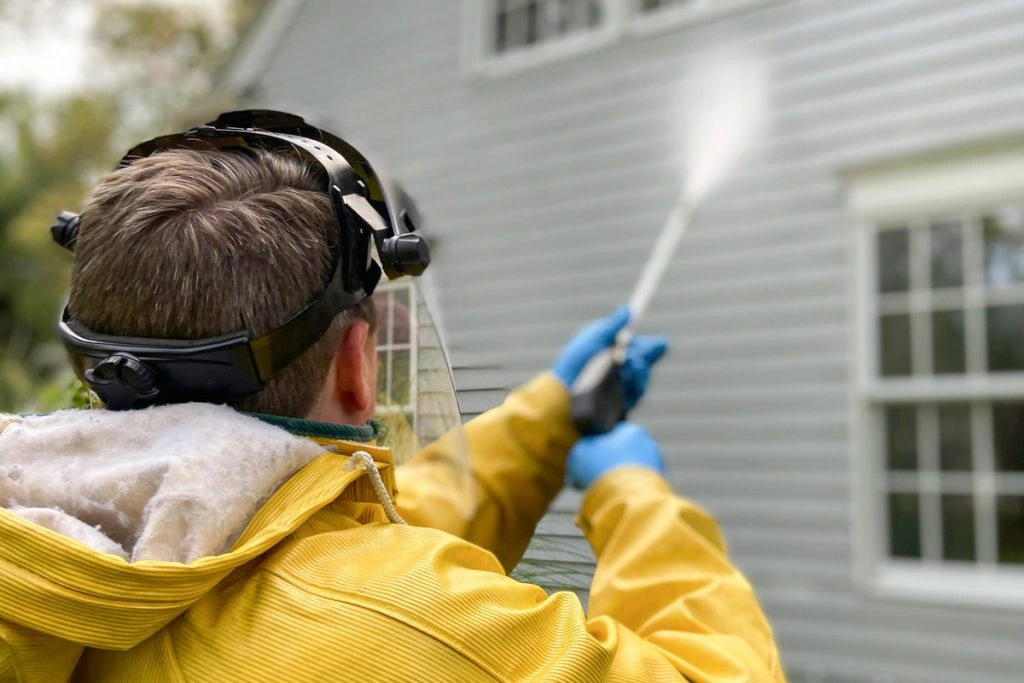
- Power wash siding and brick; paint exposed wood. Power washing removes mildew and grime, but know your siding type before starting. Vinyl siding needs a gentler wash to prevent damage. If you’re unsure, hire a pro to assess your needs.
- Inspect decks and porches for deterioration. Check for rot, insect damage, and loose or weakened joists on wooden decks. Repair any problems to maintain structural soundness. Also examine concrete porches for cracks — small fissures can let water in and lead to bigger structural issues if left unattended.
- Test the sprinkler system for leaks and coverage. Confirm the valve box is dry, inspect heads for leaks, and make sure they’re oriented correctly to cover intended areas. Reset your irrigation schedule, and check local watering restrictions before you set timers.
- Get the lawn ready for summer. Treat weeds and pests with a pre-emergent and fertilizer (sometimes available in a combined formula). Start regular mowing and consider aeration if your lawn needs it.
- Invest in pest control. Whether you prefer organic, pet-safe, DIY or professional options, start pest prevention early — before pests become a major issue. In many regions that means beginning control measures before the warm season fully arrives.
- Trim trees and shrubs. Pruning before flowering encourages healthy growth and helps plants withstand summer heat. Removing dead branches now also reduces storm-related damage risks.
Indoor Tasks to Refresh Your Home
Though outdoor projects often demand more attention in spring, your interior still benefits from seasonal upkeep to keep systems running smoothly.
- Service your HVAC system. Replace the filter and schedule a professional spring inspection if you haven’t already.
- Drain your water heater. After turning off water and power/gas, attach a hose to the drain valve and flush accumulated sediment. Watch model-specific instructions online. If it’s been a long time since the last flush, consider hiring a plumber to avoid damage from heavy sediment.
- Check for leaks. Inspect areas near pipes and appliances for dampness or mold. If you find a leak, call a plumber.
- Inspect windows, doors and screens for drafts. Replace worn caulk or weather-stripping to improve comfort and reduce AC costs. Proper sealing also helps prevent water intrusion.
- Vacuum lint from the dryer vent. Use a regular or shop vac to clean the vent hose and opening, or hire a professional. A clear vent reduces fire risk and shortens drying time.
- Examine seals, caulk and grout. Repair gaps in seals or caulk to stop water where it shouldn’t go, and apply grout sealer to protect tiled areas from moisture.
- Test smoke and CO detectors. Ensure alarms have working batteries and are in proper working order.
Budget-Friendly DIY Tips and Tools
Many items on these lists are manageable for beginners and, if done correctly, can save significant money. For instance, a professional caulking job might cost $250–$400 according to HomeAdvisor, while doing it yourself often costs only $30–$40 for materials. The trick is to take your time and do it properly. A poor DIY job can be pricier in the long term than hiring a pro, so here are some tips to help you succeed.
Start Small
Don’t begin with a major deck build on day one. Start with modest jobs — caulking a toilet or trimming a small shrub. Each small task you complete is one less service you’ll need to pay for.
Get the Right Tools
You don’t need an entire workshop to begin — a few basics will get you a long way. Consider owning:
- Hammer
- Multibit screwdriver
- Ladder
- Paint brushes
- Pruning shears
- Caulk gun
- Cordless drill
- Pliers
If you need specialized equipment for a one-off job, see if you can rent it. For example, a walk-behind aerator can cost thousands to buy but is rentable at Home Depot for about $100 a day — a cost you can split with neighbors.
Do Your Research
Know what you can do and what you need to learn. From manuals to video tutorials, there are plenty of resources to build confidence for most home repairs. Look for step-by-step guides and practice on small projects first.
Learn from Mistakes and Ask for Help
If you’re new to home maintenance, you’ll make mistakes. Start small to reduce their impact, learn from them and seek advice when needed — whether from classes at a local hardware store, YouTube tutorials or a helpful neighbor. Some municipalities offer free consultations for permit-required work, so check local services for guidance on larger projects.
Know Your Limits
Probably the most important rule: know when to stop. The difference between a successful DIY and a huge contractor bill is often recognizing your skill and safety boundaries. Don’t hesitate to hire a pro when the project requires expertise beyond your comfort level.
When to Hire a Pro (and Ways to Save)
DIY is rewarding, but many projects are best left to licensed professionals — particularly anything requiring special skills or safety gear. Examples include electrical work, major plumbing, roof repairs, HVAC servicing or structural fixes. If you need to hire someone, compare quotes and do your research to reduce costs.
Also consider where materials will come from. Some contractors source materials at trade prices but may mark them up. It can be cheaper to buy your own materials, so explore discounts and promotions at major suppliers like Home Depot or Lowe’s before you commit.
Bonus: Unlock Home Equity Without a Loan
If you’ve lived in your home, condo or rental for a while, its value may have risen. A company called Hometap offers a way to access that equity without selling or borrowing.
Hometap invests between $15,000 and $600,000 in your property and gives you cash now in exchange for a portion of the home’s future value. This applies to primary homes, rental properties or vacation houses.
There are no monthly payments since it’s not a loan. When you settle the arrangement — within a 10-year window — Hometap receives the agreed percentage of the home’s value.
You can use the funds however you choose, such as repairing a roof. Funding can be available in as little as three weeks, and once the investment closes, the money is wired within days. To explore whether it’s a good option, request an online estimate; a minimum credit score of about 500 is typically required.
Keep Your Home Running Smoothly All Year with a Maintenance Checklist
Home maintenance isn’t just chorework — it’s an opportunity to refresh and ready your home every spring. By following this checklist, you’ll help preserve your property’s value and be well-prepared for the warmer months.
Contributor Erin Collins covers banking, credit cards and investing for Savinly. She also writes on other personal finance topics.