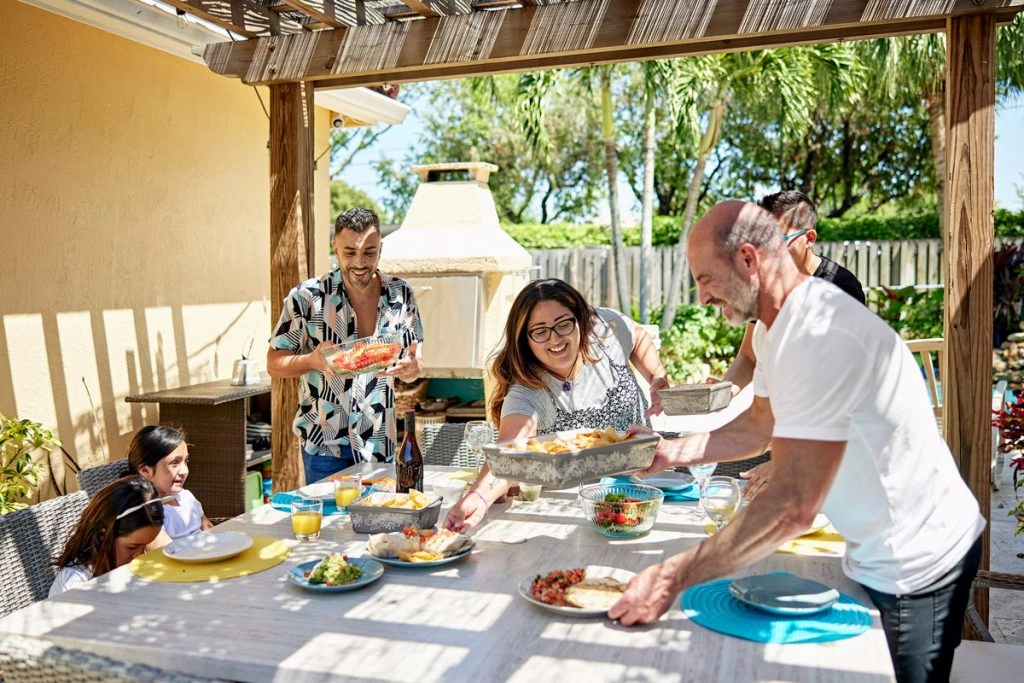
They say good fences make good neighbors, but a fence isn’t the only method to protect your outdoor area from curious onlookers and passersby.
You can achieve privacy in your backyard without spending a fortune — especially if you take a creative approach.
Fencing is typically the first fix people think of to block a neighbor’s line of sight. Yet wood and metal fences can be extremely pricey.
Installing a conventional fence or stone barrier around your lot can run into the thousands, not counting labor and installation fees.
In this piece, we outline several inexpensive ways to shield your neighbor’s view. Ideas include hanging curtains, adding bamboo shades to a porch or installing a simple lattice screen with fast-growing vines in the garden.

9 Budget-Friendly Ways to Block a Neighbor’s Line of Sight
You can obscure your neighbor’s view of a backyard living area without draining your savings. But there are a few items to think about first.
Check the rules of your homeowners association and local building codes before embarking on any outdoor project.
You’ll want to follow any regulations about fence height, accessory structure dimensions and property setback requirements.
Also remember that some low-cost backyard privacy fixes take longer and require more patience than others.
Fast-growing shrubs and tall trees, for instance, may take three to five years to become dense enough to block sightlines.
That’s why it helps to pinpoint the exact spot in your yard that needs the most privacy — commonly a porch, pool or seating area. Start there and layer in other privacy elements over time to keep expenses down.
1. Bamboo Rolls and Deck Privacy Screens
Defined outdoor zones, such as small patios and decks, are often easier to screen off than an entire yard.
By installing a simple divider, partition or sunshade, you can create a cozy, indoor-like feel with solid privacy.
An affordable option is using reed or bamboo screening, available on Amazon or at hardware stores like Lowe’s, costing a bit over $100 for an 8-foot wide by 4-foot tall roll.
This 5-foot wide by 6-foot tall Light Filtering Roller Sun Shade from Walmart, for instance, runs about $47.
If you have a screened porch, these panels can be hung inside to block light and nosy neighbors completely.
Outdoor privacy deck screens are another practical choice.
A patio or deck screen is a freestanding or attached element that shields your outdoor space from prying eyes.
These screens come in different materials and sizes, like this 8-foot by 12-foot black meshprivacy screenfrom Home Depot for around $38. Or this 6-foot fabric-and-steelindoor/outdoor room divideron Amazon for about $46.
2. Outdoor Curtain Panels
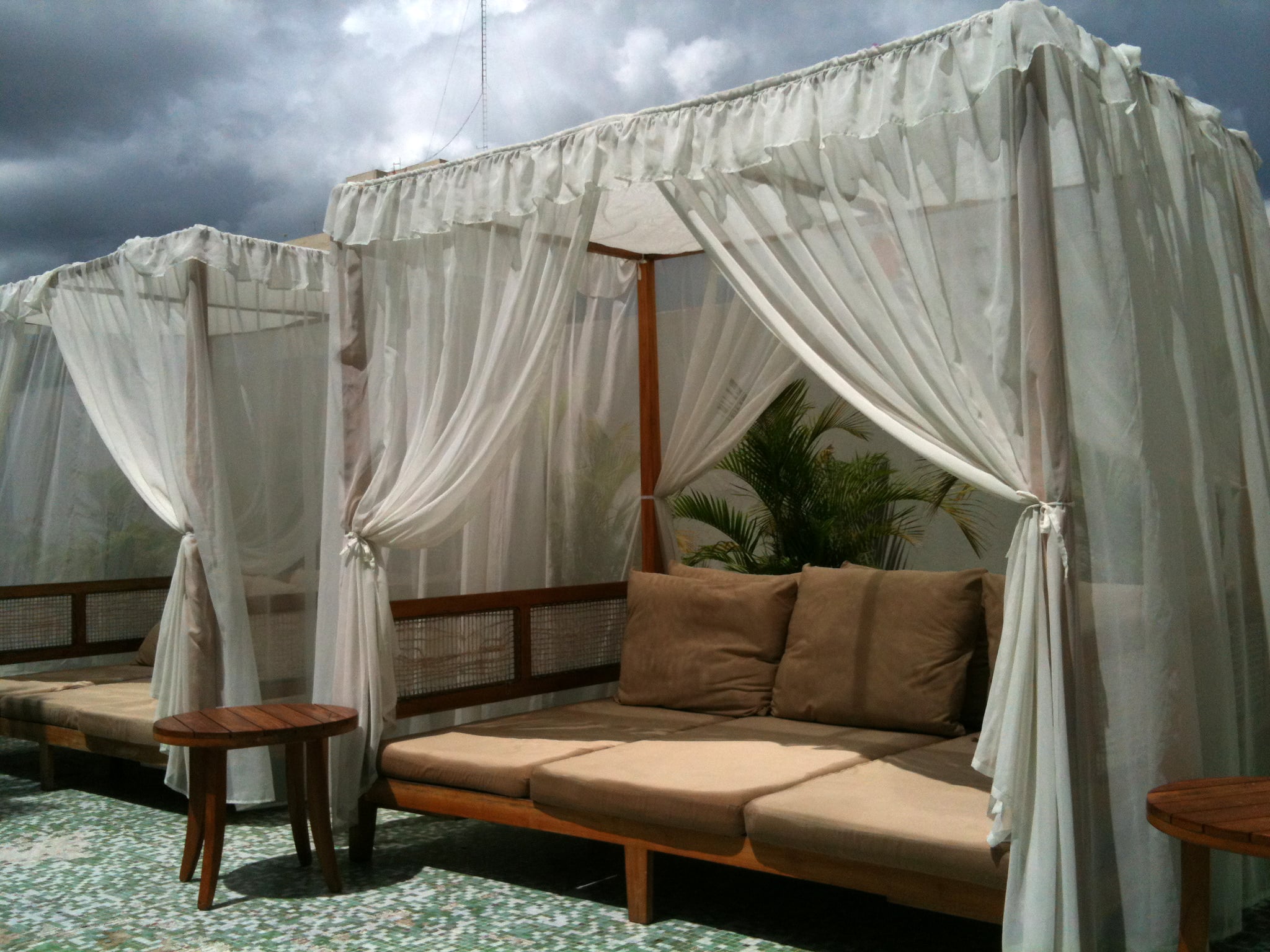
Hanging outdoor curtain panels is another low-cost way to screen a porch or deck from neighbors.
If you’re in a mild or dry climate, repurposing indoor curtains or sewing your own from fabric on hand can work well.
In damp or humid areas, opt for weatherproof outdoor curtains to avoid mildew and mold during rainy months.
You can buy a pair of waterproof Easy-Going Outdoor Curtains sized roughly 52 inches by 84 inches at Walmart for about $28.
Outdoor curtains are straightforward to hang if your patio, porch or pergola has wooden posts or columns you can drill into.
Choose grommet or tab-top styles with weighted hems. Outdoor fabrics range from heavy canvas blends to sheer materials.
Mount them on a rust-proof rod, galvanized pipe or PVC pipe made to withstand the elements.
If you can’t drill into structure, you can use a tension rod for lightweight curtains as a no-drill solution.
3. Lattice Panels with Rapid-Growing Climbers
Lattice panels are an affordable way to break up sightlines without casting your space into deep shade.
You can pick up a 4-foot by 8-foot pressure-treated wood lattice at Home Depot for roughly $30.
Lattice comes in many colors, materials and dimensions to match your design needs.
For more coverage, add fast-growing climbing plants.
Place pots filled with vining plants at the base of the lattice and they’ll soon weave through the panels.
For low maintenance, opt for perennial vines that return annually, such as trumpet vine, summer-wisteria varieties, honeysuckle or climbing hydrangea.
This economical privacy solution works well along property lines. It may not fully block a neighbor’s view like a metal fence or stone wall, but it adds greenery while softening sightlines.

4. Posts With Wire or Bamboo Fencing and Plantings
This garden-style approach is an inexpensive method to add privacy. It’s lighter, quicker and less costly than erecting a full solid fence.
It’s also handy for screening off a particular area like a vegetable patch or raised beds.
You’ll need at least a pair of wooden posts and some concrete. Dig post holes and set them in concrete or compacted sand to stabilize.
Then unroll wire or bamboo fencing and anchor it between the posts.
Two 4×4 wooden posts from Lowe’s or Home Depot typically cost about $30, while a 4-foot by 50-foot roll of wire fencing ranges from $50 to $90.
You could also include a patio table with an umbrella for extra overhead screening and shade.
Roll-up bamboo fence panels on Wayfair and Home Depot cost around $75 to $100 for a 6-foot high by 16-foot wide section.
To green up the structure, plant climbing vines around it. Many vines quickly go from a one- to two-gallon nursery pot to more than 6 feet tall.
For shady spots, consider Angyo Star Fatshedera or English ivy. In full sun, Carolina jasmine, wisteria and climbing roses like Yellow Lady Banks make excellent living screens.
You can also situate trees or tall plantings such as Italian cypress or clumping bamboo nearby to increase backyard seclusion.

5. Pergola, Arbor or Trellis Built With Reclaimed Materials
Constructing a pergola won’t provide instant privacy or shade, but using recycled or salvaged lumber — plus some elbow grease — can yield an attractive overhead shade structure without spending much.
With reclaimed wood and effort, you can build a pergola that blocks a second-story window’s view into your yard for under $100.
Garden photographer and writer Janet Loughrey recommends checking Habitat for Humanity ReStores for discounted lumber.
“It can be a little hit-or-miss, like shopping at a thrift store,” Loughrey said. “But it’s often a great way to score inexpensive materials, especially with lumber prices so high right now.”
You can also search Craigslist and Facebook Marketplace — small contractors or renovation teams sometimes sell leftover lumber cheap or even give it away.
Constructing a pergola requires comfort with power tools and basic building skills. With a few helpers, many can finish a project over a weekend.
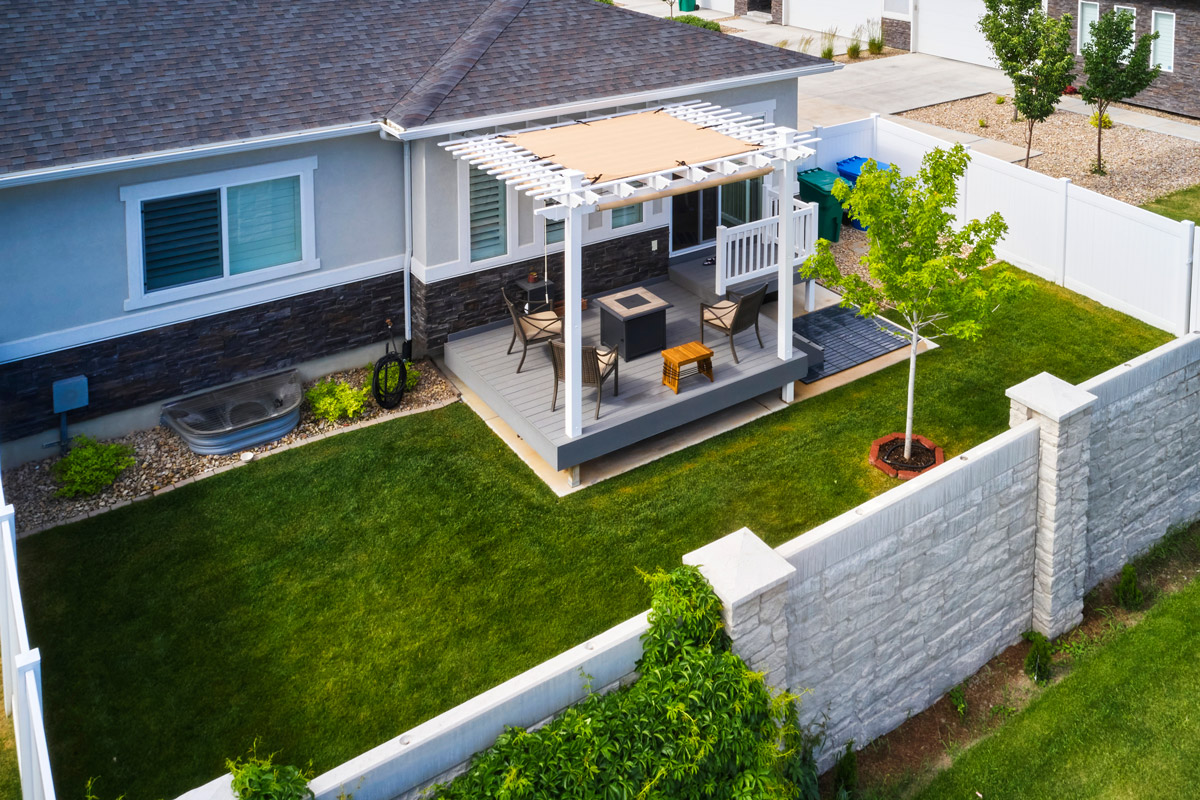
You can also see how one DIY-er built a pergola from reclaimed boards for under $75.
If a pergola feels like too much, try a simple arbor to enhance privacy on a side yard.
Other options include a container garden or planter box with an attached trellis. You can also buy ready-made versions from stores like Amazon and Home Depot for under $100.
6. Privacy Wall From Wooden Pallets
Looking to build an inexpensive privacy barrier to block a neighbor’s sightline?
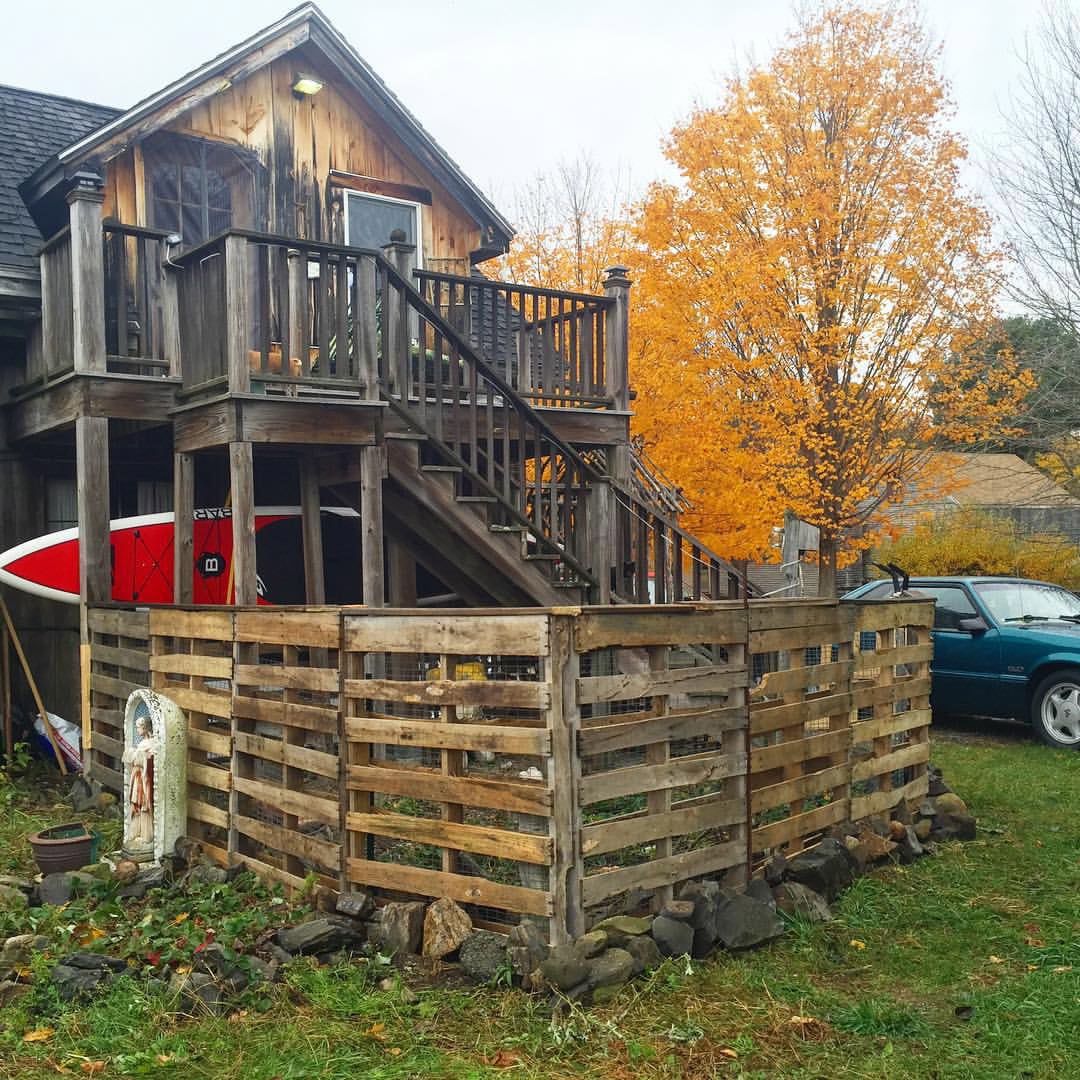
Fences made from wooden pallets are a very cheap option since many retailers discard pallets and you can often obtain them for free.
“Many businesses toss pallets, so it’s an easy way to add privacy without spending much,” Loughrey noted.
DIYers around the web have shared clever ideas for using pallets to create budget-friendly privacy fences, including inserting plants and vines between slats.
Pallets commonly measure 40 by 48 inches, so measure your space first to figure out how many you’ll need.
Use long roofing nails or bolts to fasten pallets together into a fence. You can secure the structure with wooden posts for stability.
Add potted plants, hanging decor or evergreen shrubs alongside the pallet wall to soften the look and add color.
7. Tall Ornamental Grasses
Ornamental grasses offer moderate seclusion while preserving light and air movement in your yard or garden.
Plant a line of grasses such as zebra grass, feather reed grass, pampas or fountain grass along a property boundary for roughly $8 to $20 per plant.
They grow faster than many shrubs and trees, but still need at least two growing seasons to reach full size, so they aren’t a quick-fix. Also, they generally don’t reach the height of trees or dense hedges.
8. Fast-Growing Trees for an Overhead Canopy
Planting tall trees between your patio and a neighbor’s yard is an excellent long-term strategy to add overhead privacy.
Loughrey recommends buying young trees from nurseries in the fall or late season to score lower prices.
Fast-growing species that provide both shade and screening include red maple, poplar and certain maple varieties. Emerald Green Thuja is another standout; this vigorous arborvitae can grow up to 5 feet per year.
9. Longer-Term Plant Choices
If you plan to stay put for a while, there are many permanent plantings that make attractive, cost-effective privacy screens.
Kip McConnell, a horticulture expert with Southern Living Plant Collection, recommends creating a budget “living fence.”
You can find starter specimens like the ones below at nurseries and big-box stores. McConnell says three-gallon plants typically cost about $25 to $35.
“They may take a few years to mature, but at that price, they’re a terrific investment,” McConnell said.
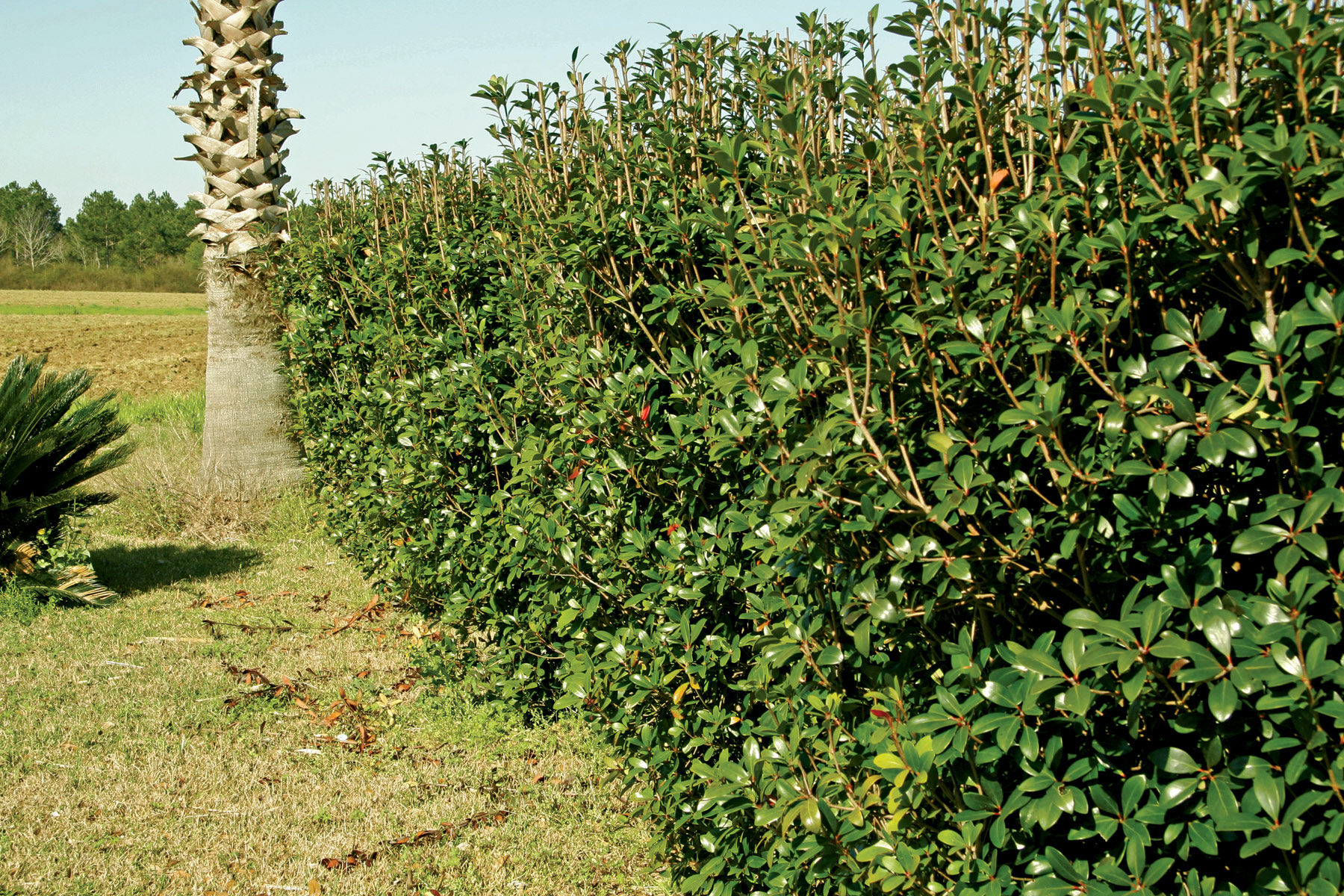
Screen Play Holly
This evergreen offers glossy growth and red berries in early winter. Growing up to 30 feet tall and about 10 feet wide, it thrives in full sun or partial shade and makes a strong privacy screen.
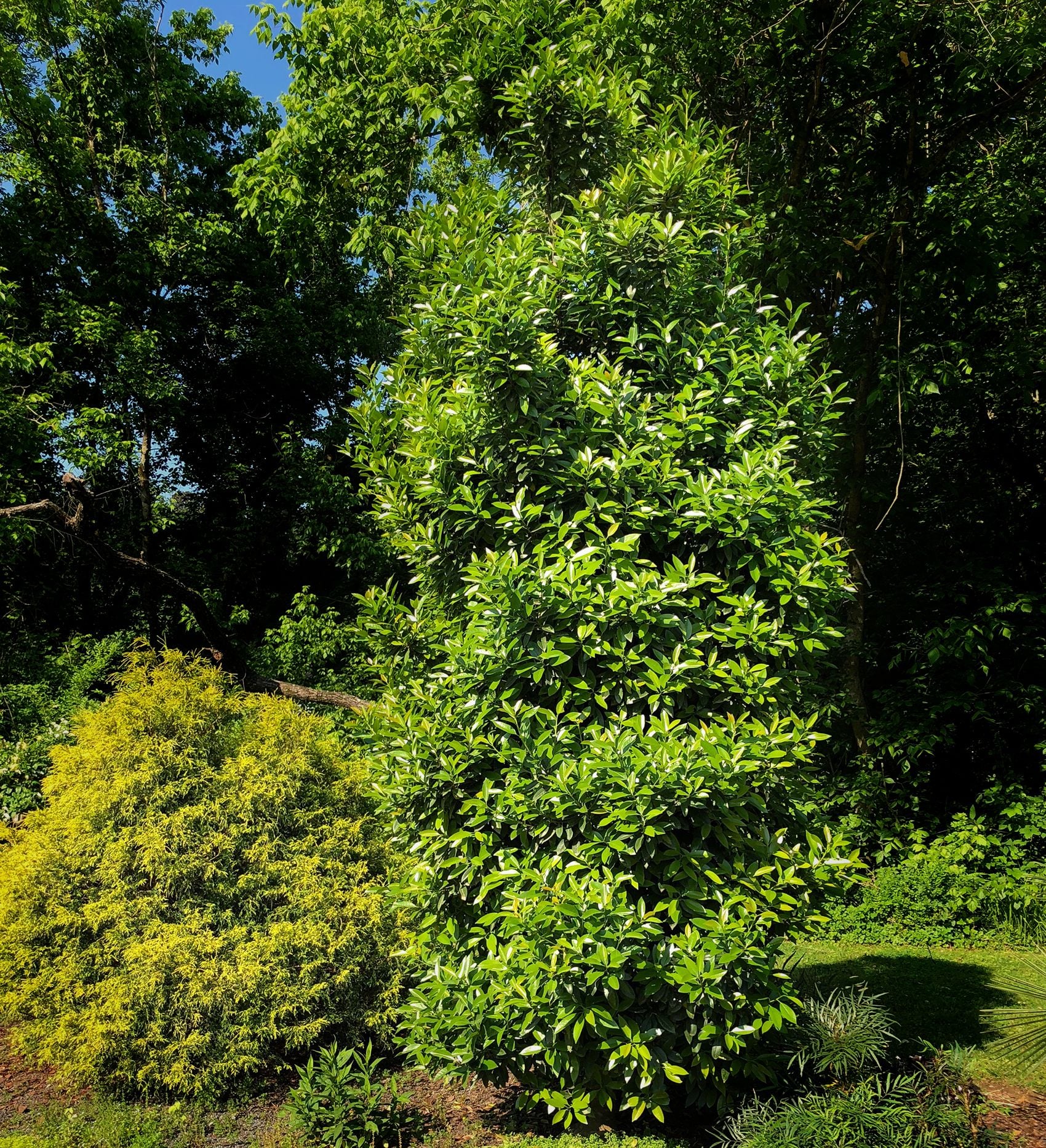
Forever Goldy Arborvitae
This plant provides a formal look with bright golden foliage and a pyramidal habit. It can reach 10 to 12 feet tall, perfect for borders and hedges.
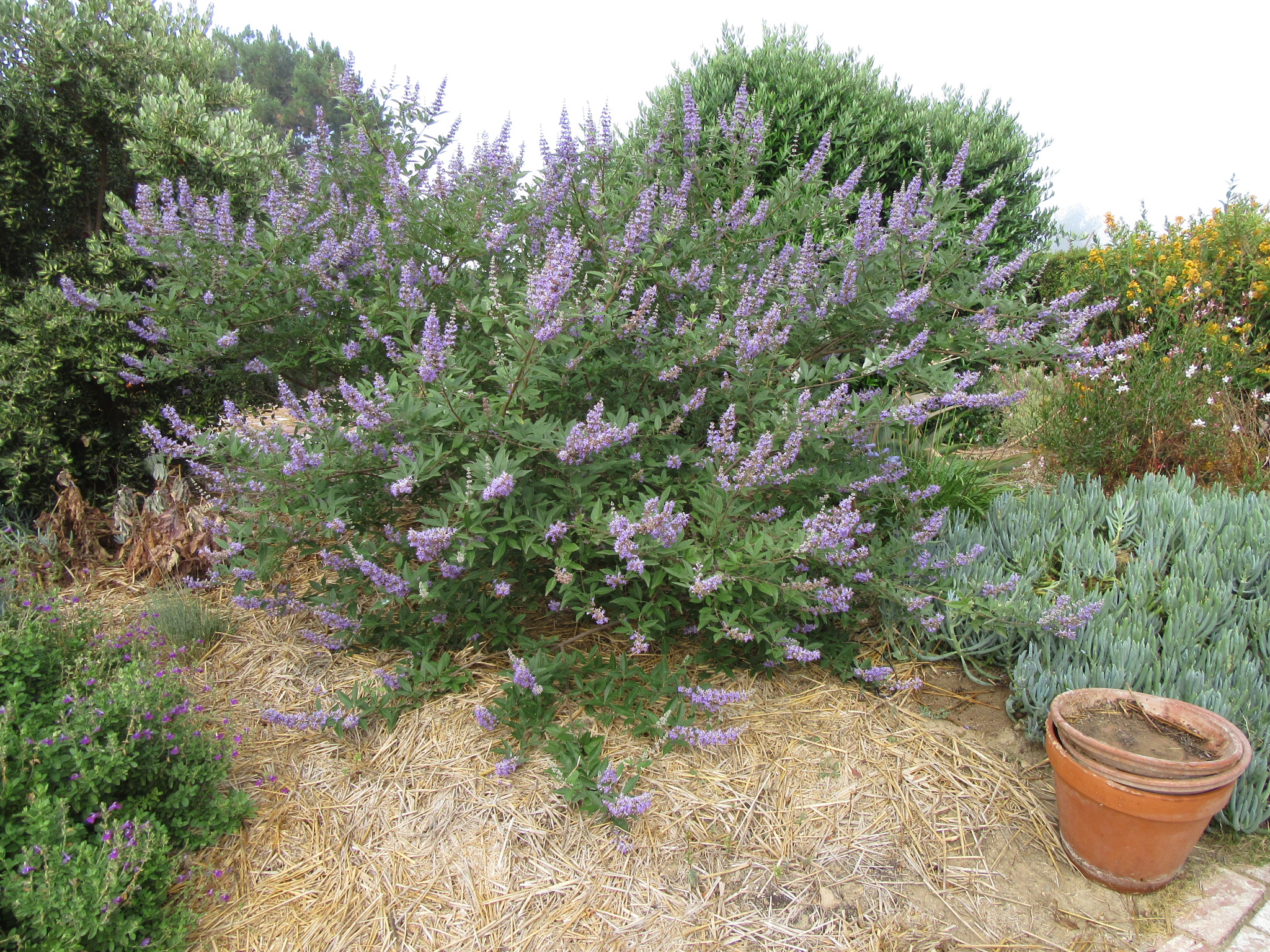
Vitex (Chaste Tree)
Vitex is a fast-developing shrub that can grow as much as 7 feet in a single season, though many keep it between 10 and 20 feet. Known for lavender blooms that attract pollinators, McConnell recommends the Summertime Blues Vitex for a soft, natural screen.
Crape Myrtle
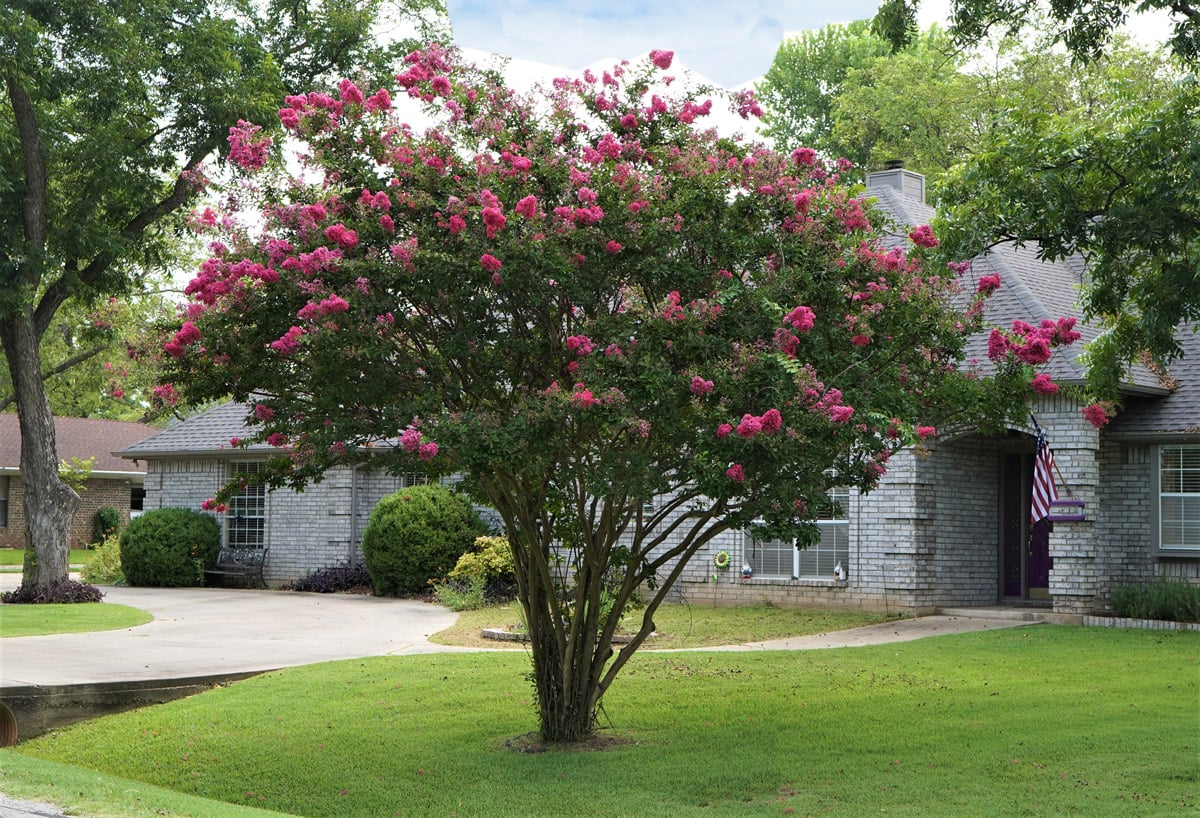
Crape myrtles are hardy shrubs and small trees commonly used in southern landscapes.
Tolerant of drought and heat, these deciduous plants reach about 14 feet tall — a suitable height to obscure a neighbor’s view. Their vivid summer blooms come in shades like magenta, lavender, pink, deep purple and white.
McConnell recommends the Miss Frances crape myrtle for its scarlet flowers and green foliage.
Viburnum
Viburnum are evergreen, flowering shrubs that perform well planted in groups or as a privacy hedge.
McConnell favors the Coppertop Sweet Viburnum. Its new growth emerges dark maroon, then shifts to copper and finally olive; it tolerates heat and drought and can grow up to 10 feet tall by 5 feet wide.
Edited and prepared by Maria Steele, a personal finance educator and senior contributor to Savinly. Maria covers retirement, investing, credit and insurance topics.