If you’re not feeling like dealing with grown-up responsibilities today, your daily commute might be the last thing on your wish list.
No one enjoys being boxed into a car and crawling through traffic, especially when you watch that confident cyclist glide past at double your speed.
But what if I told you you could be that rider — and possibly keep more cash in your wallet?
I’m referring to bike sharing, the public pay-per-ride bicycle systems that are spreading across the U.S.
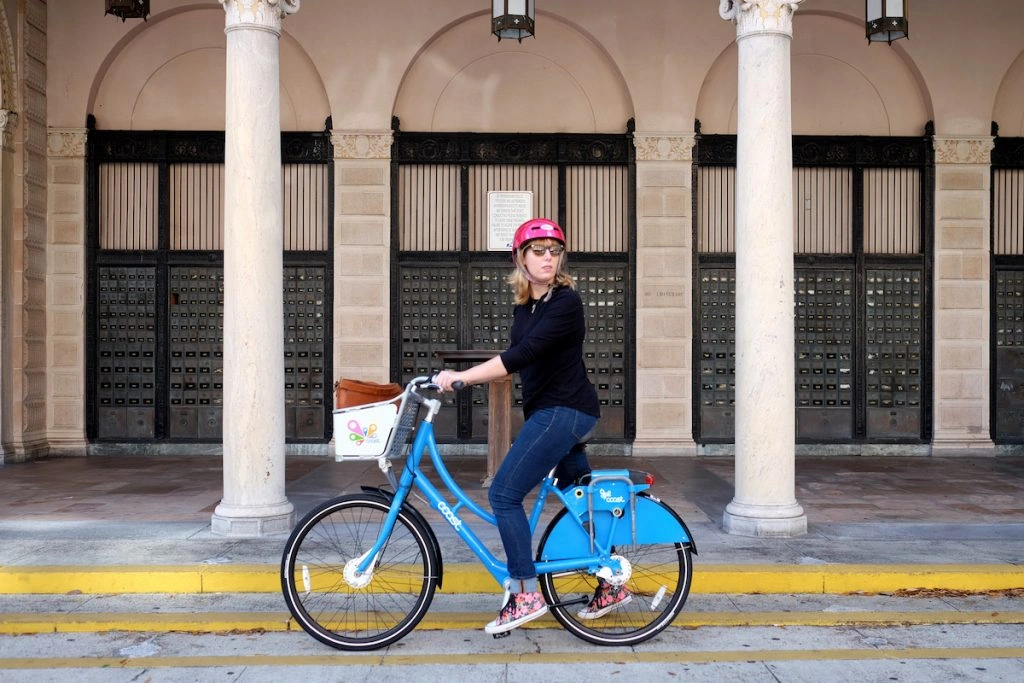
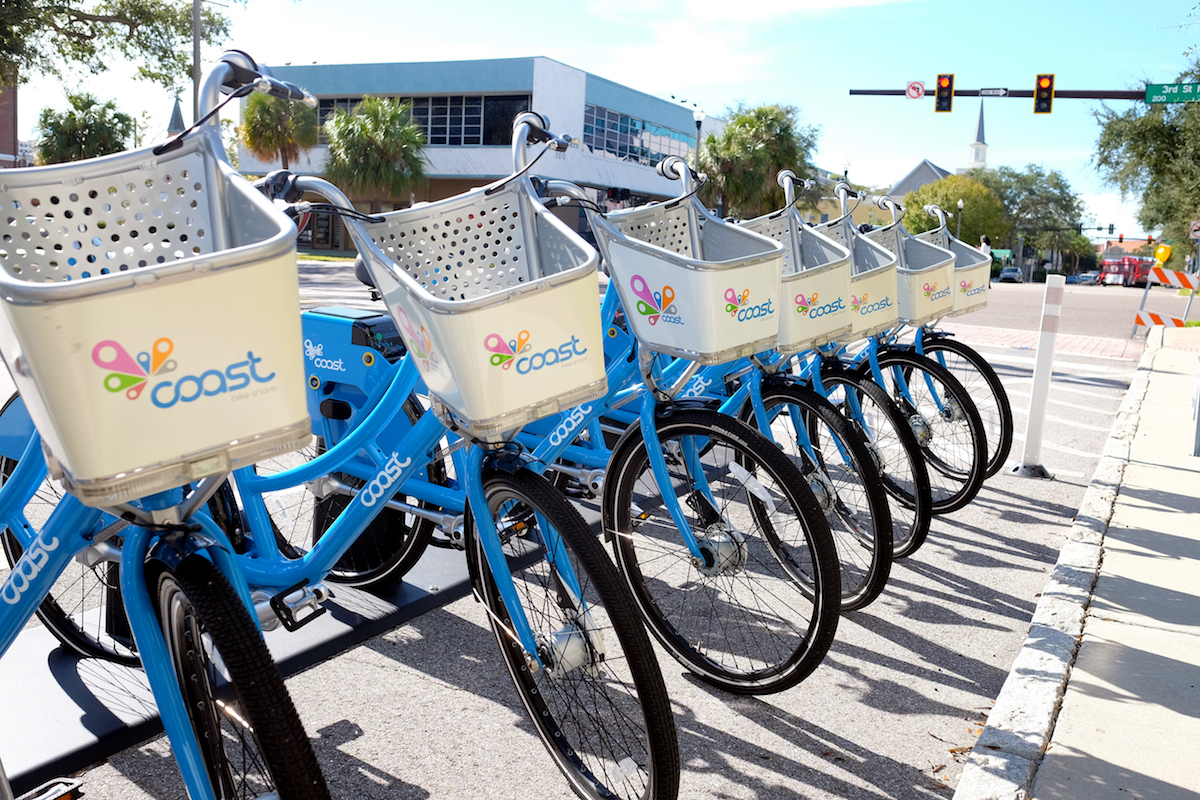
In short, municipalities or private operators place numerous bikes at docking hubs around town, and you rent one for an hour, a day, or, if you want to make your commute feel like your paper route days, an annual pass. Then you leave it at another hub for the next cost-conscious commuter.
Last year, shared bikes in the U.S. were used for 28 million trips, according to a study from the National Association of City Transportation Officials. That’s a big jump from 2.3 million rides back in 2011.
I don’t want to mislead you — bike sharing might not be the right financial move for everyone. But if you live within a30-minute bike ride of your workplace, hopping on a share bike could be worth considering.
First, Is There a Bike-Share Program in Your Area?
Bikemunk, a cycling site focused on getting more people on two wheels, has put together an extensive directory of bike-share systems across the U.S.Bikemunk managing editor P.C. Chiles’ research team spent about a week compiling the list.
“It was definitely a project,” he said via email.
Fortunately, that means you have a handy tool to find out whether your city offers bike sharing. Andwith a couple clicks, you can see annual membership costs — and maybe ditch that dreary commute.
Three Reasons Bike-Share Programs Might Be Smart for You
Bike-share systems aren’t ideal for everyone. You might live in a city that’s hostile to cyclists, endure frequent snow, have mobility limitations, or simply reside too far from work.
But if none of those factors apply, here are three reasons you might want to try bike sharing:
1. It May Save You Significant Money
I’ve owned a $200 road bike for about 18 months, and in that time I’ve replaced a few tubes and tires and had the chain tuned a handful of times. All told, I’ve probably spent about $255 over the past year.
Most annual memberships listed in Bikemunk’s database range from $40 to $99 — students often pay even less. When you factor in savings on fuel, car payments, parking and the upfront cost of buying a bike, joining a bike-share program can make solid financial sense.
2. It’s Much Better for the Planet — and for Urban Areas
This is fairly obvious: no engine, no emissions. Fewer vehicles means less congestion.
“Bike-share programs are hugely valuable to cities — and not only to large ones,” Chiles said.
3. It’s Beneficial for Your Health (Think of It as a New Year’s Goal)
Chiles points to research from Copenhagen (a city built around cycling) that demonstrates the health benefits of commuting by bike.
Workers who biked to and from their jobs daily experienced a 30% lower mortality rate, according to a 2013 Copenhagen study. A later study published in the British Medical Journal reported an even larger effect — 41% — according to that research.
Of course, there are drawbacks to bike-share programs. If you’re handy with tools, you could maintain an inexpensive fleet of bikes yourself and save the annual membership fee. Weather and the potential for arriving at work sweaty are other considerations.
But since many bike-share systems charge by the hour, you can test it out for a single day. The worst thing you’ll lose is that mundane, tiresome commute.
Also worth checking: can bike sharing help you save money — it’s a handy read if you’re weighing the costs and perks.
Jordan Wells is a transportation reporter at Savinly. He opts for two wheels over four whenever feasible.