There are plenty of reasons to visit New York City, but being cheap probably isn’t one of them. Whether you live here or you’re in town to see the Statue of Liberty and 30 Rock, you quickly discover that costs add up fast — food included. So we chatted with a local to learn how to dine in New York affordably.
Begin by Comparison Shopping to Eat in New York on a Budget
A big advantage of the Big Apple is the variety when it comes to food. That goes whether you plan to prepare meals yourself or have someone else do the cooking. You can compare prices across a range of outlets while hunting for the best deals, such as:
- Conventional supermarkets
- Street produce vendors
- Bodegas or delis
- Food carts
- Food trucks
Evan Sachs has been a reporter and editor in the city for nine years. He says comparison shopping is central to his approach to saving on food.
“New York has somany street stands, bodegas, regular grocery stores, etc. that you’re likely to have multiple options within walking distance, depending on which neighborhood you live in,” he said. “Just today, I discovered that a grocery store a few blocks away from my usual place actually sells my favorite brand of butter for a few dollars cheaper.”
Buy Produce From Street Stands
One consistent way to save when you want to eat in New York affordably, Sachs says, is to get produce from street stands. Not every single item will be cheaper there, but the ones that are can lead to meaningful savings.
“The place I’ve really noticed this difference is with the price of garlic,” he said. “While items like apples remain fairly inexpensive in-store, grocery stores in my area often charge four to five dollars for the small mesh bag of garlic. Meanwhile, I can grab the same size bag at my corner produce stand for two dollars.”
Other things Sachs almost always buys at street vendors include ginger and persimmons. When grocery stores run sales, apples can sometimes beat the stand’s price, but outside of bargains, the street vendor usually wins.
Include Meal Kits in Your Price Comparison
Meal kits can occasionally deliver a per-meal cost lower than shopping for ingredients yourself — especially during promotional deals. For instance, Dinnerly is offering a promotion for new customers: three meals for two people at $28.14. That equals $4.69 per serving, likely less than buying the ingredients separately.
However, after the promotion ends, the savings shrink. Dinnerly’s regular cost for that same plan would be $56.93, or $9.48 per serving. At those rates, you’re often better off doing your own grocery shopping.
For post-promo pricing, Sachs finds Everyplate offers the best value in New York. Even after introductory discounts expire, he typically pays about $4.99 per serving, which competes with DIY shopping. He also appreciates Everyplate’s menu variety, especially since he follows a version of a Kosher diet, and notes ample choices for both vegetarians and meat-eaters.
Scope Out Food Trucks and Stands
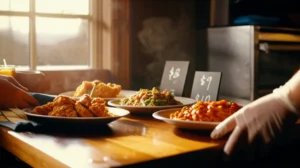
Sometimes you don’t have the time or energy to cook — even if it would save you money. Sachs points out that the era of $1–$1.50 slices has been hit by inflation, but there are still bargains at many food stands and trucks. It’s worth comparing options, since prices vary, but generally these choices cost much less than a sit-down restaurant.
Use the Too Good to Go App
Active in numerous urban areas — New York included — the Too Good to Go app helps salvage perfectly good food that would otherwise be wasted. When a bakery, restaurant, or other food outlet closes for the day, they might list leftover meals on the app at reduced prices.
If a listed deal appeals to you, you claim it in the app, then go pick it up and pay. Because you’re the one collecting the food, a walkable city like New York works especially well for this approach. You likely won’t incur gas costs, which makes it easier to decide if the bargain is worth it.
Top Picks for Finding Value on the Too Good to Go App
Bakery deals are abundant on the app and typically represent great value. There are so many pastry and bread offers that you could easily end up with a tempting haul if you can collect items near closing times — which for bakeries often falls in the middle of the day.
Pizza places also frequently show up on the app and tend to provide strong savings. You may even walk away with extra treats depending on the evening. They’re not as consistently listed as bakeries, but they’re a solid option for those working during daytime hours.
Traditional restaurants sometimes post deals, too, though their value and availability can be inconsistent. Even if the food would otherwise be discarded, some owners still try to recoup more revenue. Others drastically reduce prices because they know app users are seeking discounts. You can gauge a restaurant’s reliability by checking its star rating in the app.
Chicago-based writer Lina Brooks is the founder of Frugal Femme and the author of “The Feminist Finance Guide.” She contributes regularly to Savinly.