Have you ever walked into the supermarket clutching coupons and weekly ads, convinced you’d maximized savings as you fill your cart with rice, broccoli and soda?
It’s a great feeling to score such bargains.
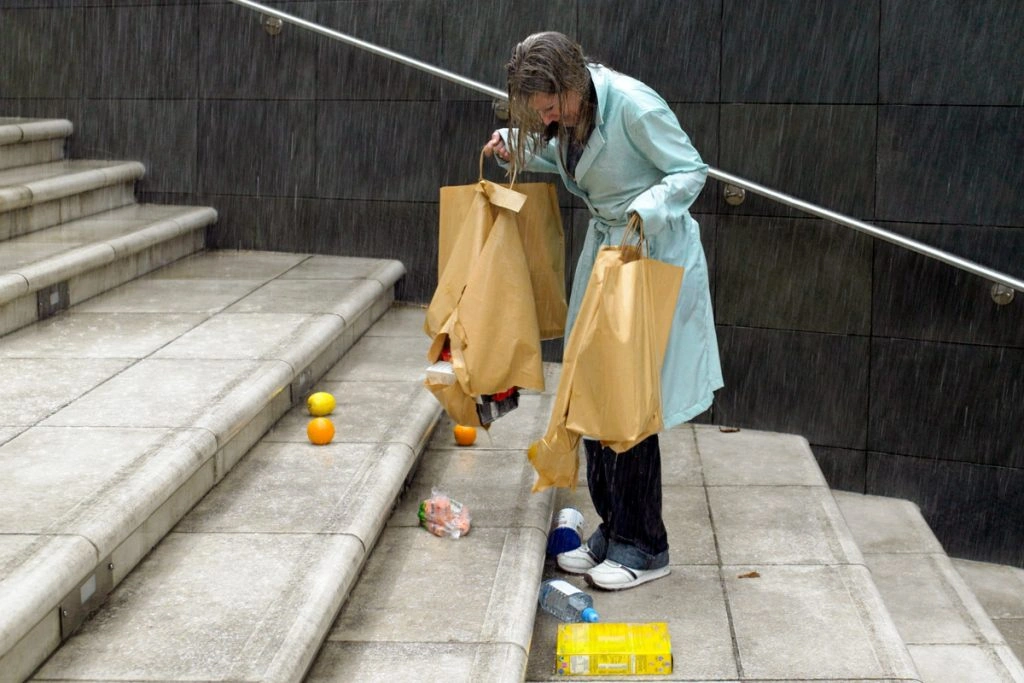
But then you lug everything home, shove the new rice bags into the pantry on top of the rice you already owned, tuck the fresh produce into the fridge — and a week later the unmistakable smell of spoiled broccoli greets you.
Yep, same here.
Food waste is a major concern. In the U.S., roughly 30% to 40% of food gets discarded.
Below are practical ways to reduce food waste so your grocery dollars stretch further.
How Serious Is the Food Waste Issue?
Food gets wasted in tiny ways that many people don’t even notice, says Dana Gunders, formerly a senior scientist at the Natural Resources Defense Council and author of “Waste-Free Kitchen Handbook: A Guide to Eating Well and Saving Money By Wasting Less Food.”
“Consumers throw away more food, collectively, than restaurants or grocery stores,” Gunders notes. “And the typical family of four spends about $1,800 on food they never consume.”
All together, about one-third of food produced for people ends up lost or wasted.
“Producing food and delivering it to our plates consumes a lot of resources,” Gunders explains. “Tossing a single hamburger is equivalent to taking a 90-minute shower in terms of the water used to produce it.”
Now imagine the money and food we could conserve if we purchased only what we’d actually eat.
Here’s how to stop needlessly discarding food — and the cash that goes with it.
16 Practical Ways to Cut Food Waste
We can’t control everything, but there’s plenty we can manage in our kitchens, on our plates and in our trash. Try these strategies to reduce food waste at home.
1. Make a Grocery List — and Follow It
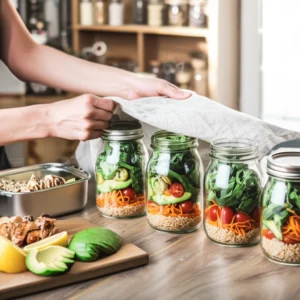
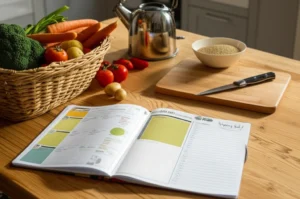
Buying too much often leads to spoilage. Plan your week’s meals, write a list and stick with it to avoid impulse buys and the half-used veggies destined for the bin.
Gunders recommends planning for multiple uses. If a recipe calls for fresh cilantro, schedule another dish that will use it too so you don’t toss half a bunch when it wilts.
Shopping online can help you adhere to a list and resist spur-of-the-moment purchases that get wasted. Sites like Rakuten even reward you for shopping online instead of heading to the store, offering cash back at many retailers — sometimes up to 15%.

2. Choose Frozen Over Fresh
The vivid hues of fresh produce lure me every week, yet they also spoil quickly.
So I now keep my freezer stocked with fruits and vegetables. I jokingly call it the Too Many Avocados Left Behind Act — though I don’t freeze avocados, I do buy many items frozen. They thaw quickly and give me versatile ingredients on demand.
3. Plan for Unexpected Events
It’s easy to be derailed by last-minute plans like an impromptu lunch or happy hour. When you buy fresh ingredients at the start of the week, planned meals can get abandoned.
By scheduling at least one frozen meal into your week, you can accept spontaneous invitations without wasting the fresh meal you had planned.
4. Reinterpret Expiration Dates
Labels like sell-by, use-by and expiration indicate different things. Most times they’re about quality or display, not a hard deadline for safety.
People often toss perfectly usable food because of date labels. Apply common sense — a passed sell-by date doesn’t automatically mean it’s time to throw food away.
5. Make Use of Your Freezer
Freezing extends the life of meats, bread and produce — see freezer storage guidelines.
Gunders says nearly everything is freezable: milk, shredded cheese, sliced bread and even raw eggs (out of their shells) can be frozen.
Keeping items frozen until you need them saves money and prevents waste. Doesn’t that sound better?
6. Store Items Where You Can See Them
Produce can vanish into crisper drawers. Out of sight often means out of mind. Keep food visible so you’ll use it.
Also learn the best storage method for each type of produce — some speed up ripening in nearby items. Investing in airtight containers can keep produce firm and fresher longer.
7. Clean the Fridge and Organize the Pantry
Hidden expired goods and sneaky mold can lurk in cluttered coolers. A tidy fridge helps you know what you have and encourages using it.
The same principle applies to the pantry: organization makes it easy to find what’s on hand and prevents items from being buried behind stacks of cans.
8. Try Composting
Instead of sending scraps to the landfill, start composting. Coffee grounds, vegetable trimmings and more can go into a compost pile that eventually enriches your garden soil.
9. Learn Preservation and Canning Techniques
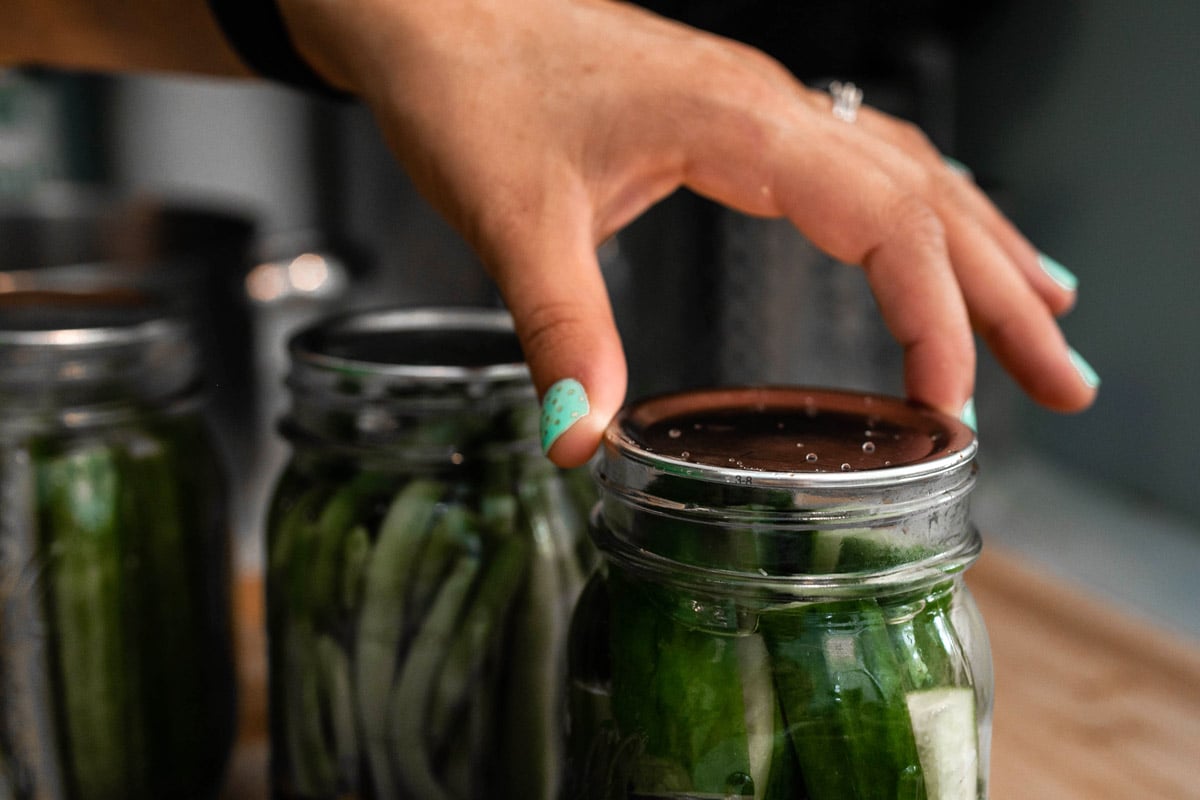
Pickling, preserving and canning are enjoying a resurgence, yet they’ve preserved food for generations and helped folks through lean times.
With modest time and investment, you can get the gear to preserve surplus food, extending its shelf life and reducing waste and expense.
10. Donate Surplus Food
If you acquire food you won’t eat, donate it. Local food banks and pantries often accept donations, and neighbors or friends may appreciate extras. Check each charity’s rules about acceptable items before donating.
11. Use What You Already Have
Create meals from ingredients that have been lingering or need to be used soon (try a pantry challenge). Search the far corners of your cupboards before buying more.
12. Transform Leftovers
Repurpose tired leftovers into new dishes. Overripe fruits like peaches and pears can be baked or mashed; brown bananas are perfect for banana bread, and soft strawberries work well in smoothies.
Many scraps have second uses: coffee grounds enrich soil, corn silk can be brewed as tea, chicken bones make excellent stock, herb stems can go into pesto, and potato peels crisp up into tasty chips. You can also refresh your kitchen’s scent and clear the disposal by running citrus peels through the garbage disposal.
13. Host a Potluck
I’m selective about food but enjoy cooking. Sometimes I end up with ingredients I won’t reuse or recipes I don’t love — so I host potlucks to help clear them out. It benefits everyone’s pantry. Win-win.
14. Use Helpful Apps
Several apps aim to reduce food waste. Consider these options:
- The USDA FoodKeeper app explains best practices for storing food and drinks to preserve quality and freshness.
- Too Good to Go lets you pick up surplus restaurant food before it’s thrown out.
- Waste No Food connects food businesses, like farms and restaurants, with charities and shelters to donate excess food.
15. Get Creative Like an Artist
Ever thought of making art with food scraps beyond Instagram? Bright peels and trimmings can be used as dyes and pigments.
Scraps from beets, spinach and lemons can produce natural fabric dyes that double as watercolor paints.
16. Try Growing from Scraps
Even novice gardeners can experiment. Regrow certain food scraps and see what comes of it. Plant seeds in the yard or sprout them in a jar of water.
The Takeaway: Waste Less, Save More
It’s simple: buying less unneeded food leaves more money in your wallet.
Change won’t happen overnight.
But with a few adjustments and intentional choices about buying, storing and cooking, you can spark a ripple effect that saves time, money and food over the long term.
Rebecca Lang is a former staff writer at Savinly. Contributor Jordan Miles helped with this piece.