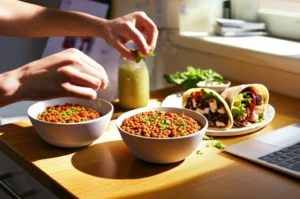
We tend to spend a substantial amount of money on dining away from home.
Accounting for single-person households and all those late-night delivery orders, the U.S. Bureau of Labor Statistics reports that the typical American household shells out about $3,600 per year on eating out.
If you’re trying to trim unnecessary spending, cutting back on restaurant visits is an obvious place to begin. Fortunately, you don’t have to sacrifice flavorful, elevated meals to save money.
Below are practical tips and tactics for mastering gourmet-style cooking at home. You’ll discover how to craft delectable, restaurant-worthy plates while keeping more cash in your wallet.
Make money easier. Sign up for Savinly’s newsletter today.
Budget Gourmet: How to Save While Cooking Elevated Food
Want to enjoy upscale meals without draining your finances? These pointers can help.
Begin With Your Ingredients
Top chefs know that upscale dishes rely on superb ingredients and imagination. Stock your pantry with fundamentals. A few well-chosen spices, herbs and quality condiments can lift even simple fare, so budget for select gourmet items.
Start by identifying your go-to flavor profiles. If you’re fond of Indian and Mexican dishes, cumin is indispensable across both. Oregano is another versatile herb, prominent in Mexican, Italian, Greek and Middle Eastern cuisines.
Consider buying fresh herbs at farmers markets in addition to dried ones; often they’re similarly priced but offer a brighter flavor. Fresh herbs can keep producing, too — buy a cilantro plant and you’ll have continual garnishes for curries, soups and tacos.
Think strategically about pantry staples that stretch far yet deliver bold flavor enhancements.
Take tahini as an example: it can be pricey, but it lasts. Mix a spoonful with water until it becomes thick and creamy while retaining sesame flavor. Add minced garlic, a glug of olive oil and chopped parsley for a delightful sauce to drizzle over roasted veggies or as a dip for pita and raw vegetables.
Plan in Advance
With a bit of simple math and some automation, you can enjoy gourmet dishes without piling up expenses. Adopt the “no waste” mindset used in fine-dining kitchens.
When you plan meals, think about maximizing every part of an ingredient. Incorporate leftovers into future meals by brainstorming creative second uses.
If you run out of recipe ideas or need inspiration for using leftovers, modern tools can help — AI like ChatGPT can suggest meal plans and recipes (you’ll still need to tweak the seasoning and add personal touches).
Other digital tools — note-taking apps to store and edit recipes, and grocery or subscription services that offer deals — can streamline your culinary planning.
Back to low-tech examples: when tomatoes are abundant and cheap, buy in bulk and plan a week’s worth of meals “Top Chef” style, imagining varied ways to use them.
Make a batch of tomato ragu for Sunday pasta, then reuse it as a sauce on Wednesday pizza. Alter seasonings to turn a basic tomato sauce into a sautéed pepper-and-egg Shakshuka-style brunch.
Think creatively — even tomato skins have value. Dehydrated peels yield concentrated taste you can grind and sprinkle on popcorn, fries or meats.
Read on: The Dumbest Things We Keep Spending Too Much Money On (And How to Stop)
Presentation Matters
We eat first with our eyes, then our noses, then our mouths. Research led by Oxford professor Charles Spence shows people perceive visually attractive dishes as tasting better than less appealing ones, even if the ingredients are identical.
Meals that look sloppy or monotonous in color appear less appetizing. Add simple garnishes — a slice of cucumber or radish, a sprig of parsley or cilantro, or even an edible flower from your garden — to each plate. These inexpensive touches signal care and elevate the dining experience.
Be mindful of color contrast and portion sizes. Create a warm ambiance with softer lighting; harsh white bulbs can make food look flat. When entertaining, experiment with family-style serving or individually plated courses.
Consider finishing touches at the table. Freshly ground black pepper or a final grating of cheese brings slight theatrics that enhance the meal.
Why Cook Gourmet at Home?
Beyond saving on restaurant bills, cooking elevated meals at home brings several perks. It often leads to healthier eating and a more balanced diet, plus it sparks creativity and mindfulness around food.
This practice builds new skills: from improving knife technique via online videos to mastering recipe timing and learning what’s seasonal and fresh.
Home gourmet cooking can even evolve into a side business. If you discover a passion for making refined dishes and your skills grow, you might share your creations on social platforms and potentially monetize your efforts.
You don’t need professional credentials to start a small food venture — and when you do, many kitchen purchases can be treated as legitimate business expenses at tax time. You’ll be saving and earning simultaneously while growing an audience.
Another often-overlooked benefit is community building. Cooking at home fosters conversation and connection with family, partners, roommates or friends. Food is a communal experience across cultures, and preparing and sharing meals is a wonderful way to bring people together.
Related: What is Debt Consolidation — And Should You Consider It?
Final Thoughts
By borrowing techniques from chefs in high-end restaurants, you can adapt familiar recipes with an emphasis on quality ingredients, thoughtful plating and smart meal prep — all while being budget-conscious.
Saving on food doesn’t need to feel sacrificial. Learning to cook restaurant-quality meals at home allows you to expand your culinary repertoire, delight your palate, exercise creativity, and perhaps strengthen local ties and learn valuable life skills. Paying attention to ingredient quality and presentation will elevate any dish — and you can do it affordably.
More From Savinly:
- Here’s How to Start Saving Money — Even If You Don’t Have Room in Your Budget
- The 5 Top Apps for Saving Money in 2025
- 31 Ways to Make Money Online & From Home in 2025
- 5 Strategies to Consolidate Your Credit Card Debt