Welcoming a baby is one of the most transformative events in your life. But along with the joy comes the reality that supplies like diapers, formula and clothing can be costly. Fortunately, there are several practical ways to obtain free diapers or reduce what you spend on them.
Research suggests the average infant uses six to 10 diapers per day — roughly 2,500 to 3,000 in the first year. By the time your child is potty-trained, you may have spent thousands on diapers. The good news: there are straightforward approaches to stretch your budget and even get diapers at no cost so you can spend your money on other priorities.
How to Get Free Diapers
Diapers are a non-negotiable expense, so any savings you capture will have a meaningful impact on your household budget. Contrary to what you might assume, there are several legitimate avenues to receive diapers for free or nearly free.
This guide outlines our preferred tactics for obtaining free diapers from national brands and community organizations, plus other savvy money moves that can help you collect free diapers for your child.
1. Request Diaper Samples From Major Brands
Diaper manufacturers rely on repeat buyers, and many will send free samples if you reach out and ask.
If you’re a new parent, explain you’re trying to find the best fit for your baby and request sample diapers to test. If you’ve used diapers before, tell the company you’re considering switching and would appreciate trials to help decide.
Visit the sites of manufacturers such as Huggies, Luvs, The Honest Company, and Pampers and search for free-sample offers. You might need to create a baby profile and opt into marketing emails to qualify. Some brands — for example, The Honest Company — sell a trial kit that delivers diapers and wipes for $15.99 plus a $20 coupon for a future purchase, essentially reducing the initial cost.
Following top diaper makers on social media or subscribing to their newsletters can also alert you to coupons, promos and giveaways that yield free diapers.
Pro tip: Sign up with several brands to increase the total number of free samples you receive.
2. Join Loyalty and Rewards Programs
Want your purchases to help you earn more diapers? Several diaper brands have rewards programs that let you accumulate credits or points redeemable toward future diaper purchases.
Pampers
Install the Pampers Club app to collect Pampers Cash with each Pampers purchase. You can trade that cash for coupons or gift cards toward diapers. The app also offers special deals — such as discounts on baby gear — for users.
Bambo Nature
Enroll in the Bambo Nature rewards program to earn two points per dollar spent on diapers, which you can redeem for discounts at BamboNatureUSA. New members often receive bonus points for signing up and additional points for engaging with the brand on social channels.
3. Add Diapers to Your Baby Registry
Many baby registries include welcome boxes and sample packs of diapers, wipes and other baby essentials.
Best Registries for Freebies
Amazon
Amazon’s baby registry (Amazon baby registry) provides multiple perks, including a free box of baby goods after you meet three criteria: have an Amazon Prime membership, add 10 distinct items to your registry and receive at least $10 in gifts from your registry (excluding tax and shipping).
After completing those steps, Amazon sends a box of assorted baby items valued around $35, which frequently contains diapers and sometimes free formula.
Amazon also allows you to create a diaper fund on your registry so friends and family can contribute. You can convert those contributions to Amazon gift cards and use them to buy diapers.
Target
Target offers a robust registry experience and many brick-and-mortar locations. When you register, you’ll receive a welcome kit—with samples and coupons—valued at over $100 that may include diapers.
Walmart
Walmart makes creating a registry simple and offers a Welcome Box valued at over $40 filled with sample items and coupons. The box often contains essentials like diapers, wipes and sometimes formula.
4. Diaper Banks and Neighborhood Charities
If diaper affordability is a serious concern, there are easier options than churning through points or promotions.
The National Diaper Bank Network is committed to addressing diaper need. Their data show many U.S. families struggle to provide enough diapers for their children. When purchasing diapers isn’t feasible, diaper banks and similar programs can provide vital help.
If you need assistance, call 2-1-1 for 24/7 support to connect with local agencies offering diaper aid.
Additional community resources that may offer diapers include food pantries, women’s shelters, churches and local nonprofits.
If you’re interested in cloth diaper support, apply to The Cloth Option, which provides approved families with a starter supply: typically 20 newborn diapers, 15 for infants or 10 for toddlers in training.
Pro tip: Many of these organizations can provide ongoing assistance rather than a one-time distribution.
5. Use Cash-Back Credit Cards to Defray Diaper Expenses
Cash-back credit cards can convert routine spending into savings you can use on diapers. This tactic suits parents who already use credit cards and want a low-effort way to earn diaper money.
Always pay your statement in full each month to avoid interest charges. Consider dedicating cash-back rewards to baby purchases to maximize the benefit.
6. Stack Coupons With Sales for Big Discounts
Manufacturers often issue coupons to attract buyers. If you don’t have a strong brand preference, buy whichever brand has the best sale or coupon so you can stockpile during promotions.
Combine manufacturer coupons with store sales and loyalty-app deals to secure deep discounts. Check diaper packaging, store circulars and printable coupon websites (such as Coupons.com) to locate current offers.
Pro tip: Stacking coupons and buying in bulk during sales can come very close to the savings of receiving free diapers.
7. Consider Cloth Diapers or Elimination Communication
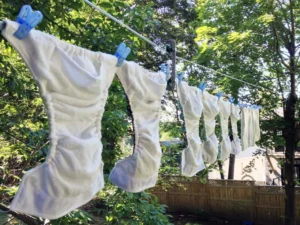
Disposable diapers create a lot of waste. Rather than seeking free disposables that will eventually be discarded, consider switching to cloth diapers.
Cloth diapers can significantly reduce diaper spending and lessen environmental impact. While the initial investment is higher, once you assemble a stash you’ll rarely buy diapers again.
You might be hesitant at first, but many parents who try cloth diapers quickly adapt and appreciate the cost savings. Affordable cloth options can be found on Amazon, eBay and local buy/sell groups.
Brands such as Mama Koala, Alva Baby and Kawaii Baby are budget-friendly and durable, often lasting through multiple children before they’re outgrown.
Building a cloth diaper set can cost a few hundred dollars — a fraction of the thousands you’d spend on disposables over several years. Cloth diapers are reusable many times over; according to realdiapers.org, they can be used between 50 and 200 times.
Another strategy to reduce diaper use is elimination communication, a practice that supports early potty awareness and can cut down on diapers for infants as young as six months.
Final Thoughts: Small Changes Lead to Big Savings
While pursuing free or nearly free diapers requires a bit of effort, the savings add up over time. By combining brand samples, community resources, cash-back tools, rewards programs and coupon-stacking, you can craft a cost-effective diaper plan that eases your budget and supports your family’s needs.