Before you hop in the shower, toss a load in the washer or hose down the car, think about how much you could trim from your bills by conserving water.
Some folks resort to quirky tricks like tucking bricks into toilet tanks to save a few gallons. But there’s a simpler, cleaner approach to lower your water expenses: collect free rainfall with rain barrels.
If your water bill keeps creeping upward, installing a rain barrel outside might be a smart move. In many places, you can even qualify for payments or rebates for putting in rain-harvesting systems, on top of the reductions you’ll see in monthly charges.
Want to make the most of this season’s rain and snow? Here’s an overview of how rain barrels operate and the savings they can provide.
How Rain Barrels Help You Save Money
The Environmental Protection Agency notes that the typical household spends about $1,000 a year — roughly $100 a month — on water. Surprisingly, much of that use occurs outdoors.
Outdoor watering often makes up between 30% and 60% of a household’s water use, so collecting rainwater can substantially lower your bill.
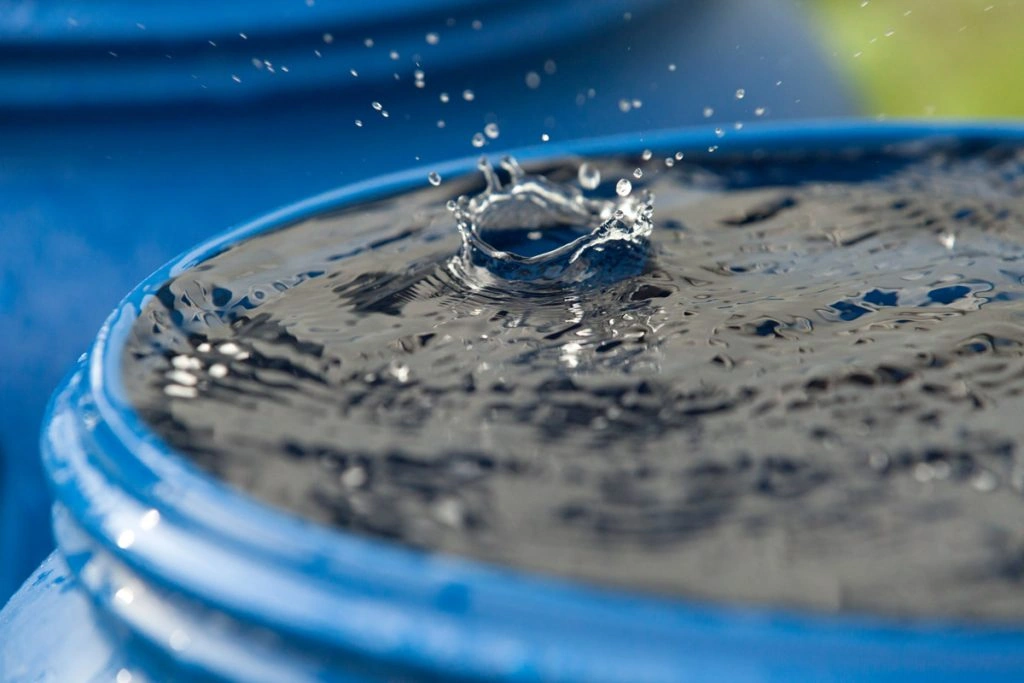
Rain barrels capture runoff from your gutters and roof. While the water isn’t potable, it’s perfectly suitable for irrigating gardens, rinsing vehicles or cleaning exterior surfaces.
How Much Can You Save Using Rain Barrels?
Rain barrels are an effective way to conserve water and access free moisture for landscaping, but how much money can you realistically keep?
Quite a bit.
By relying on stored rainwater for outdoor needs, you can reduce or eliminate purchases of municipal water for those tasks.
On average, homeowners can expect to save about $30 to $60 per month. Over a decade, that adds up to roughly $3,600 to $7,200 in avoided water costs. It’s beneficial for both your budget and the planet.
Could Rain Barrels Work for You?
Before you rush to mount barrels around your home, verify local rules and recommendations for collecting rainwater by consulting your state’s regulations. Collection is allowed in every state, but some jurisdictions have specific guidelines or incentives.
Once you know what’s permitted, estimate the amount of precipitation your area receives — you might be surprised.
For instance, New York City averages over 44 inches of precipitation annually, Chicago receives more than 33 inches, and Washington, D.C. gets about 39 inches.
“Just 1/4 inch of rainfall on a typical roof will fill a rain barrel,” notes the Massachusetts Office of Energy and Environmental Affairs. “A modest amount of rainfall can supply much or all of your outdoor watering needs — a full rain barrel will water a 200-square-foot garden.”
Practically speaking, it takes around 0.3 inches of rain to fill a 55-gallon barrel. In Chicago, that equates to enough annual precipitation to fill up to 110 barrels.
Save Even More With Rebates From Your City or State
Before purchasing a barrel, contact your local water utility to find out if you qualify for a rainwater-harvesting rebate. Many municipalities provide financial incentives for adopting these systems.
In San Diego, homeowners can receive up to $400 in rebates for installing rain barrels. The Metropolitan Water District of Southern California also offers $75 rebates.
In Albuquerque, residents can claim Rainwater Harvesting rebates based on storage capacity. The program provides $25 for systems holding 50 to 149 gallons and up to $150 for setups that store 1,500 gallons or more.
Where to Get a Rain Barrel
Some municipalities sell discounted rain barrels, so start by checking with your city or county.
You can also purchase them at big-box retailers and hardware stores for about $100, or take a DIY route and construct your own barrel.
The number of barrels you need depends on your roof area and watering needs; that will guide how many to buy. Once you’ve acquired them, follow local guidance to install the barrels and start enjoying the ongoing savings.