Periods of economic instability frequently set off a ripple effect across financial systems, resulting in increased defaults, foreclosures and asset seizures. One less obvious outcome is the rise in government-run auctions, where agencies dispose of surplus, seized or foreclosed property to recoup losses and manage their inventories.
When economies falter, these auctions tend to occur more often. They also present a broader assortment of goods — from real estate to high-end items — creating distinct chances for bargain seekers and investors alike.
Why Downturns Lead to More Government Auctions
Financial turbulence generally brings about higher rates of loan defaults, company closures and bankruptcies. For instance, the 2008 housing meltdown produced a surge in foreclosures, inundating markets with reclaimed homes. Likewise, the pandemic forced many small enterprises to shutter, producing increased asset forfeitures. Agencies such as the U.S. Marshals Service and the Federal Deposit Insurance Corporation (FDIC) are central to handling these assets. The U.S. Marshals Service Asset Forfeiture Program commonly auctions items seized in criminal probes, while the FDIC offloads assets from failed banks to help stabilize the financial system.
During recessions, enforcement bodies may also step up efforts against financial wrongdoing, which increases the number of confiscated assets. At the same time, individuals and firms unable to meet tax or loan commitments can face seizures by the Internal Revenue Service (IRS) or the U.S. Treasury, later sold through channels such as Treasury Auctions.
A Broader Range of Goods Appearing at Auctions
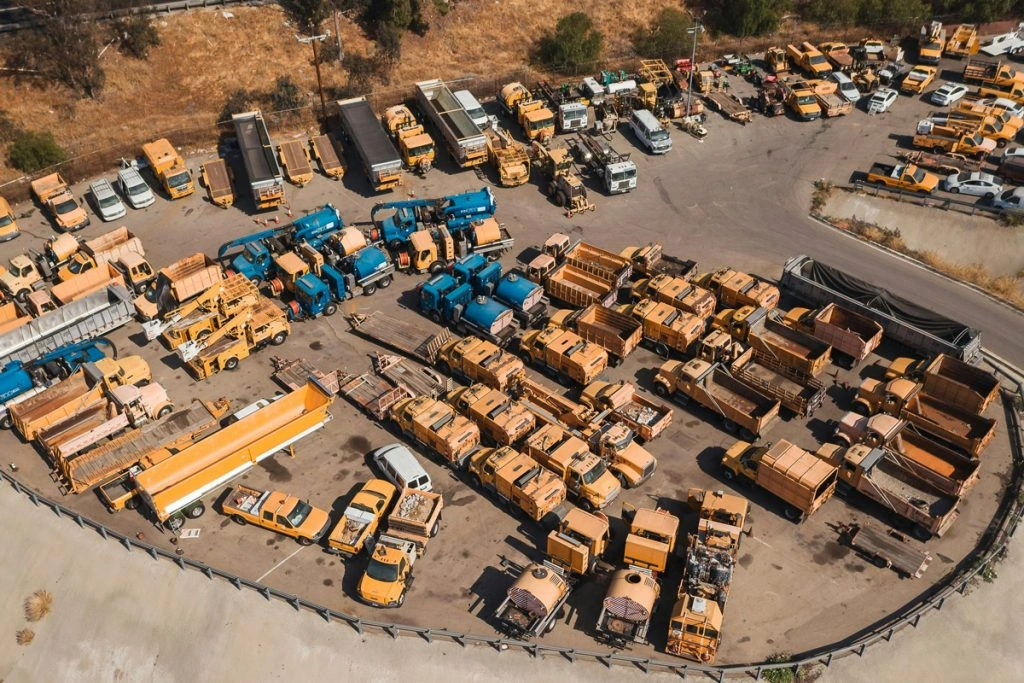
Government auctions are rich sources of varied items. Real estate is a significant segment, with sites like RealEstateSales.gov listing foreclosed homes, commercial buildings and land parcels. Vehicles — from impounded cars to retired government fleet trucks — are frequently auctioned. Higher-value pieces like jewelry, electronics and artwork seized in investigations also often show up in auctions run by the U.S. Marshals.
Furthermore, the U.S. General Services Administration (GSA) consolidates surplus federal property, including office furnishings, aircraft and heavy machinery. These stocks grow during economic crises as agencies trim operations or liquidate idle assets.
Increasing Auction Frequency to Handle Inventory
To cope with the surge of items and to generate revenue, agencies commonly increase their auction cadence. For example, the FDIC might schedule additional sales to swiftly dispose of properties from closed banks, while the Treasury intensifies efforts to reclaim debts. Auction activity also rises in response to growing public interest: budget-minded buyers converge on these events seeking deals, creating a sustainable loop of supply meeting demand.
Benefits for Buyers and the Public Sector
For purchasers, government auctions present opportunities to acquire assets below typical market prices. Investors can buy properties for renovation or rental income, and business owners may find cost-effective equipment for new ventures. Governments, in turn, leverage auctions to offset budgetary shortfalls and cut storage expenses for seized items.
How to Successfully Participate in Government Auctions
Potential bidders should conduct careful research. Portals like USA.gov Auctions offer centralized access to federal sales, while agency-specific sites such as the FDIC Asset Sales and Treasury Auctions list specialized inventories. Performing due diligence — inspecting properties, confirming liens and learning the bidding rules — is essential to avoid costly mistakes.
Conclusion
Economic uncertainty unquestionably contributes to the expansion of government auctions, converting financial stress into openings for informed buyers. As agencies respond to volatility by upping auction frequency and broadening offerings, these platforms remain an important mechanism for economic adjustment — one successful bid at a time. Whether you’re searching for a residence, a vehicle or a distinctive investment, government auctions deserve attention during unstable periods.
Dr. Evelyn Murray is an accomplished Agricultural Engineer with expertise in USDA outreach and technical assistance, bringing extensive experience to the agricultural field.