Vinegar isn’t the lone powerhouse in your pantry.
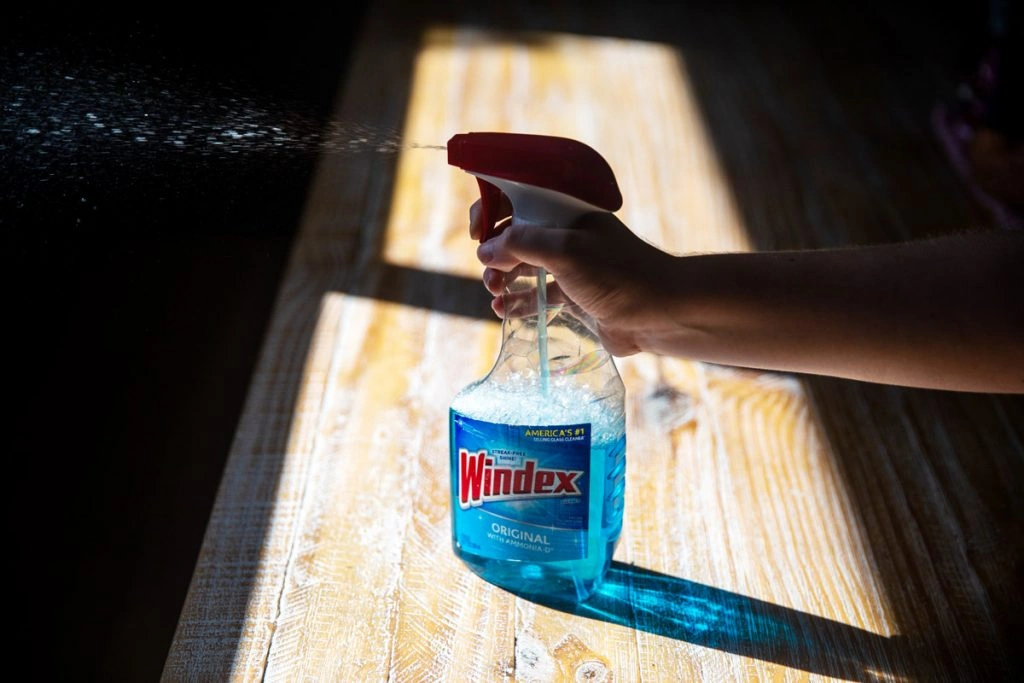
Windex — that inexpensive glass cleaner spray tucked beneath your sink — has uses beyond windows: it can help reposition stuck furniture, restore sparkle to jewelry and even free jammed zippers.
Your grocery or hardware store likely stocks a few Windex formulas, so when working with fabrics opt for the clear variant, and for car interiors choose the ammonia-free glass cleaner.
Aside from those guidelines, most Windex types will handle the tasks below.
10 Surprising Ways to Use Windex
Here are 10 effective yet unexpected applications for that familiar blue (or sometimes clear) bottle that extend far past glass cleaning.
1. Shifting Heavy Furniture
Los Angeles-based interior designer John Linden sprays Windex to help slide bulky items that are stuck or too hefty to lift.
“We simply mist some in front of the piece we want to move, then push it,” Linden explained. The item then glides into position with minimal effort.
If you pick the ammonia-free Windex, it’s safe on most floors, including hardwood.
2. Treating Carpet and Upholstery Spots
If you assumed Windex only works on glass, think again. Linden often spritzes Windex on minor upholstery stains, lets it sit about 20 minutes, then wipes the area clean.
Be sure to use the clear formula here — the blue version can sometimes leave its own tint behind.
3. Repelling Insects
The scent of ammonia is unpleasant to many insects, noted Andrew Barker, founder of Homeowner Costs. Barker recommends spraying Windex near open windows and doors to discourage bugs from entering.
4. Detailing Your Car
Windex is a handy car cleaner, says Deidre Fisher, owner of Simply Bliss Cleaning in Salt Lake City. Use it on car windows, mirrors and to remove smudges on dashboards, steering wheels and plastic or leather surfaces.
It’s also effective for screens and instrument dials — just spray onto a cloth first rather than directly on electronics, Fisher advises.
5. Cleaning Makeup Brushes
Makeup artist and lifestyle blogger Kerrin Jackson has relied on Windex to clean brushes and airbrush components for over a decade.
“They make it easy to dissolve alcohol-based cosmetics and heavy-duty theatrical products that can be stubborn in airbrush parts,” Jackson said.
6. Cutting Grease in the Kitchen
For greasy exhaust fans and range hoods, Diana Rodriguez-Zaba, president of ServiceMaster Restoration by Zaba in Chicago, suggests spraying Windex on the surfaces and letting it sit for 5–10 minutes, then wiping away and rinsing to remove any chemical residue.
7. Sanitizing and Shining Doorknobs
The mild ammonia in Windex can help disinfect doorknobs while removing smudges and restoring shine — a useful trick for high-touch areas around the home.
8. Lifting Stubborn Clothing Stains
Windex works well on stains like red wine, tomato sauce and ketchup, says Jen Stark, founder of Happy DIY Home, a gardening and home-improvement blog.
“Lightly spray the stain with Windex and allow it to sit for about 15 minutes if the fabric isn’t delicate silk,” Stark advises. Blot with a clean cloth, rinse with cold water, then launder as usual. Again, use clear Windex for this task.
9. Refreshing Patio Furniture and Outdoor Areas
Benjamin Nguyen, owner of Full Color Cleaners, uses Windex to revive patio furniture and outdoor surfaces, including brick, making them look nearly new.
For larger outdoor jobs, consider the Windex Outdoor Concentrated Cleaner, a 32-ounce spray bottle that connects to a hose. It sprays over aluminum siding, brick and windows — and often removes the need for a ladder.
Also useful for small household fixes: check out creative uses for aluminum foil to extend your cleaning and maintenance toolkit.
10. Restoring Jewelry to a Sparkling Finish
To remove everyday grime from a diamond ring, The Knot recommends soaking jewelry for 10–15 minutes in a 50-50 mix of hydrogen peroxide and Windex, then gently brushing with a soft toothbrush and rinsing.
Windex is generally safe on gold and silver but can damage softer gemstones due to its ammonia content. Avoid using it on turquoise, emeralds, opals, coral, pearls or amber.
Contributor Danielle Braff is now listed as Dana Briggs, a Chicago-based writer covering consumer products and budget shopping. Her work has appeared in the New York Times, Washington Post, Real Simple and more.