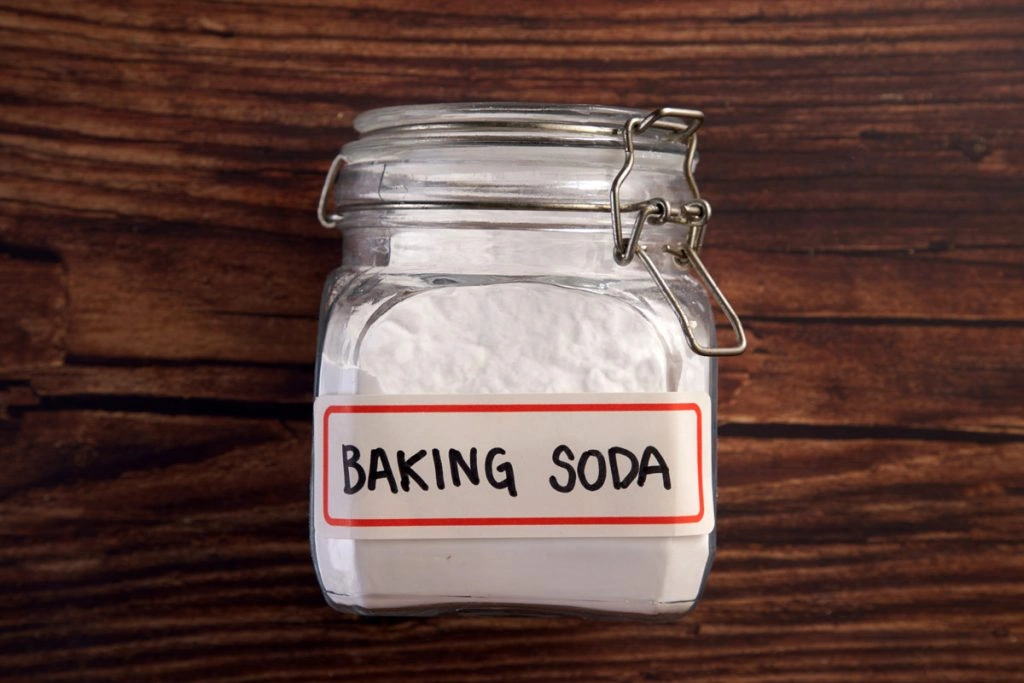
If you’ve ever prepared a cake, cupcakes or muffins, chances are you have a box of sodium bicarbonate — commonly known as baking soda — tucked away in your pantry. Most of the time it quietly waits for your next baking session.
Instead of reserving it for occasional baking projects, try using baking soda in other areas of your home. It’s an incredibly adaptable ingredient that can replace a variety of other products, helping you keep more money in your pocket. Honestly, once you learn these uses, you’ll never think you have too much baking soda in the house.
For cleaning and wellness, baking soda can be a go-to ally. It’s effective, safe, eco-friendly and inexpensive. A 5-pound bag of baking soda costs about $10 and, as you’ll discover, can be a huge money-saver.
What Exactly Is Baking Soda (Sodium Bicarbonate)?
Baking soda is simply sodium bicarbonate, sometimes called bicarbonate of soda. It’s a salt that occurs naturally in a mineral known as nahcolite. People sometimes confuse baking soda with baking powder, but they aren’t the same. Baking powder contains cream of tartar, which makes it more acidic. It’s not suitable for cleaning or many health remedies because the acid changes how formulas behave.
Baking soda reacts with acids (like vinegar) to produce carbon dioxide — think classic school volcano demonstrations. That fizzing reaction helps with cleaning and is the same leavening action used in baking. Don’t mix it up with soda ash, which is sodium carbonate.
Containers of baking soda don’t carry an expiration date because the product doesn’t really spoil after opening. That said, its leavening ability diminishes somewhat about six months after opening, so baked goods won’t rise as much though flavor remains unaffected.
30 Practical Uses for Baking Soda Outside the Oven
From brushing your teeth to soothing diaper rash, this humble pantry staple is a workhorse for household chores and garden tasks.
One of the most familiar uses for baking soda is cleaning. It can boost laundry detergent, neutralize odors in garbage disposals, help lift greasy spots and eliminate stubborn stains — all without harsh chemicals.
Whether used on its own or blended with other ingredients, baking soda offers a low-cost alternative to pricier, chemical-filled products on store shelves.
Removing Stains
- Restore plastic food containers. Eliminate stubborn discoloration from plastic storage containers by creating a thick paste from 2 tablespoons baking soda, 1 teaspoon water and a squirt of dish soap. Spread it over the stain, let it sit 15–20 minutes, then rinse thoroughly.
- Scrub grout clean. A mixture of baking soda with hydrogen peroxide and a few drops of dish soap will get tile grout in the shower or kitchen looking fresh again.
- Erase crayon marks on walls. While we’d never call a child’s drawing a stain, baking soda does remove crayon marks. Sprinkle baking soda on a damp sponge or cloth and rub the wall gently to lift crayon without stripping paint.
- Remove coffee cup rings. If your favorite mug has coffee stains that even the dishwasher won’t fix, sprinkle baking soda and scrub with a sponge — it should come back to life.
Laundry Room Helpers
- Brighten laundry. Keep baking soda near your washing machine. It helps remove stains, neutralize odors and amplify detergent effectiveness. Adding a few tablespoons at the start of a cycle and again in the rinse will brighten clothes and soften fabrics.
- Tackle stubborn spots. For wine, coffee, blood and similar stains, make a paste with 1–2 tablespoons baking soda and just enough warm water for thickness. Rub it into the stain (both sides if possible), let dry, then wash as usual.
Kitchen Uses
- Make omelets fluffier. For lighter omelets, add 1/2 teaspoon baking soda or baking powder per three eggs right after whisking. The carbon dioxide that lifts dough also helps give eggs extra loft.
- Reduce spiciness in dishes. If a dish becomes too hot, Pepperscale recommends adding 1/4 teaspoon of baking soda, tasting, and repeating until heat diminishes. The sodium bicarbonate helps neutralize acids like vinegar in hot sauces.
- Keep cut flowers fresh longer. Add a teaspoon of baking soda and a little sugar to vase water to help preserve cut flowers. The baking soda keeps water neutral while the sugar nourishes the stems.
- Extinguish small grease fires. Baking soda can smother small grease fires by releasing carbon dioxide, making it an important safety item in the kitchen.

Baking Soda for Heavy-Duty Cleaning
- Clear a clogged drain. Baking soda can help with a blocked drain. The Family Handyman suggests pouring a pot of boiling water down the drain first, then adding a cup of baking soda followed by a cup of vinegar mixed with a cup of very warm water. Cover the drain with a cloth or plug to trap the fizzing reaction for 5–10 minutes, then flush with boiling water — the blockage should clear.
- Revive a burnt pot. Thought that scorched pot was ruined? You can often restore it using vinegar and baking soda. While baking soda generally isn’t advised for stainless steel, Arm & Hammer describes safe approaches: remove loose burnt bits, add a thin layer of vinegar or lemon juice to cover the bottom, warm it slightly, sprinkle a cup of baking soda, and let sit (even overnight). Gently scrub later and repeat if necessary — typically cheaper than replacing the cookware.
Deodorizing Uses
- Neutralize refrigerator odors. An open box of baking soda in the fridge is a classic trick, but its deodorizing powers go far beyond keeping your fridge fresh.
- Eliminate shoe smells. Sprinkle baking soda in slippers, boots and shoes to absorb odors. For very stinky footwear, make a paste of baking soda and water, rub inside, let sit overnight, then wipe clean.
- Control garbage can odors. Sprinkle a little baking soda on the bottom of your trash cans to absorb unpleasant smells.
- Refresh yoga mats. If your yoga mat has an unpleasant smell, mix 2 tablespoons baking soda with 1 cup water and a splash of lemon juice in a spray bottle. Lightly mist and wipe down with a damp sponge.
- Deodorize hands. After cooking or working on something smelly, rub a tiny amount of baking soda mixed with water on your hands, then rinse to remove odors.
- Revive kitchen sponges. To freshen foul-smelling sponges not yet ready for the trash, soak them in baking soda and water; add a little white vinegar for very bad odors, per Best Home Scents.
- Deodorize litter boxes. Many commercial litter deodorizers contain baking soda — just sprinkle some on the bottom of the box before adding fresh litter.
- Freshen pet beds and accident spots. Sprinkle baking soda on pet bedding, blankets or affected carpet areas, wait about 10 minutes, then vacuum to remove odors.
Beauty and Health Uses
- Create a natural deodorant. Baking soda is a common deodorant ingredient. You can make a homemade deodorant using baking soda, arrowroot or cornstarch, shea butter and essential oils — a simple recipe available at Mommypotamus.
- Use as a facial exfoliant. Baking soda can substitute for store-bought scrubs. Make a paste of baking soda and a few drops of lemon juice, massage gently for 10–20 seconds, then rinse with a damp cloth. Use this occasionally rather than daily, as its alkaline nature can irritate skin if overused.
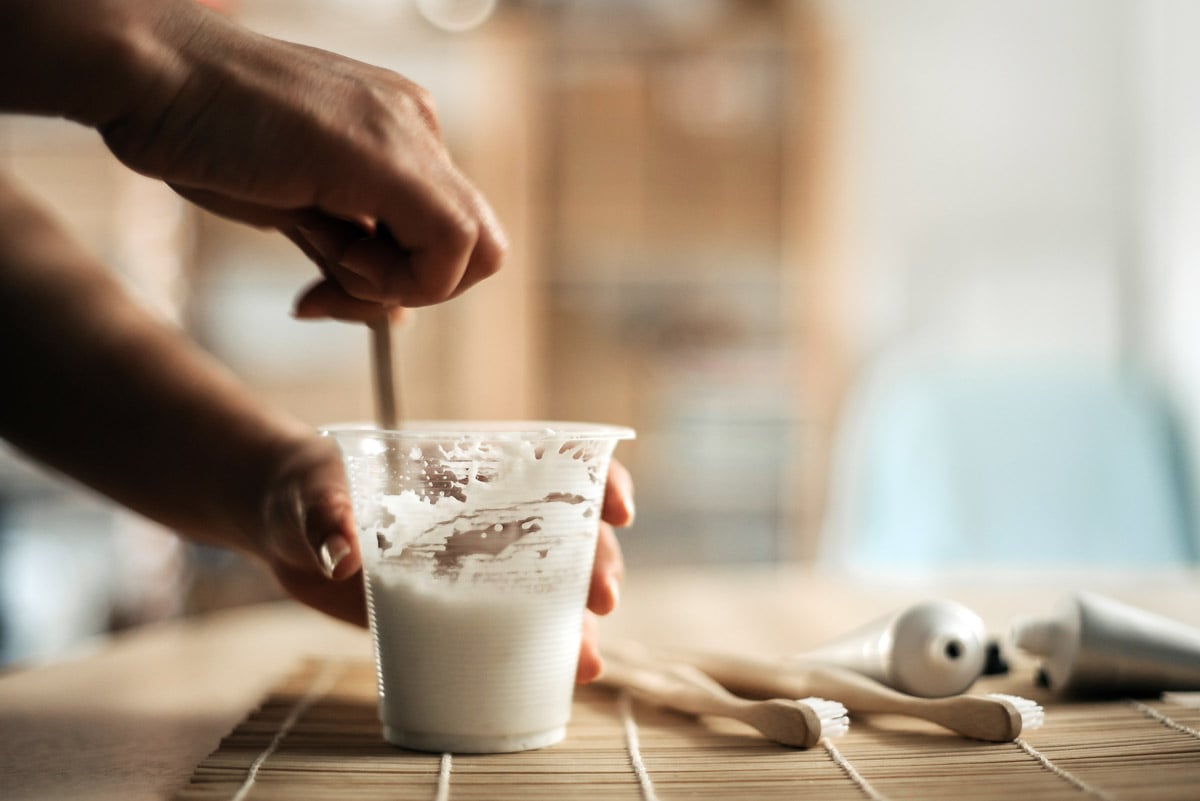
- DIY toothpaste. Baking soda makes an effective toothpaste because it neutralizes mouth acids. Wikihow suggests mixing 2/3 cup baking soda with 1 teaspoon fine sea salt, a few drops of essential oil or peppermint extract, and enough filtered water to form a paste. Some people also add a bit of coconut oil.
Health Perks of Baking Soda
Like many common household items, baking soda offers several health benefits. Dietitian Ryan Raman outlines a number of them in a piece for Healthline.
Internal Uses
- Ease stomach acid. Baking soda can relieve heartburn. Raman recommends dissolving 1 teaspoon in a glass of cold water as a quick remedy. It’s not a substitute for medical treatment for severe reflux and shouldn’t be used frequently due to its high sodium content, especially if you have hypertension.
- Freshen breath. Baking soda’s antibacterial and antimicrobial traits can improve breath. Raman suggests using 1/2 teaspoon dissolved in a glass of warm water as a mouthwash substitute — swish then spit.
- Reduce post-workout muscle soreness. Sources like Verywell Fit note that baking soda may help neutralize lactic acid in muscles, aiding recovery. A common suggestion is 1 teaspoon in a glass of water after intense exercise.
External Uses
- Relieve sunburn. For sunburn or skin irritation, take a baking soda bath. Fill a cool bath and add a few tablespoons of baking soda, stir to dissolve and soak for 20–30 minutes for relief.
- Sooth diaper rash. Baking soda can help when a baby has diaper rash. Seattle Children’s Hospital recommends adding 2 tablespoons to warm bath water and letting the child soak or splash for about 10 minutes, then applying an anti-yeast ointment. Repeat up to three times daily.
- Calm insect bites. Treat bug bites by applying a paste made from 2 tablespoons baking soda and enough water to form a paste. Apply, allow to dry, then wipe off with a damp cloth. For many bites, a baking soda bath can help similarly to the sunburn remedy.
Using Baking Soda in the Garden
- Natural weed control. Weeds that pop through cracks in driveways, patios and sidewalks can be killed by sprinkling baking soda directly on them. The sodium will desiccate the weeds so you can easily remove them. Avoid applying it in flower beds because it will harm desirable plants as well.
When Not to Use Baking Soda
Baking soda is versatile, but it isn’t appropriate for everything. Because it can be abrasive or alter surface chemistry if not diluted, avoid using it on these materials:
- Aluminum: Prolonged contact can oxidize aluminum, so use caution when cleaning aluminum cookware.
- Glass, stainless steel and hardwood floors: If not properly dissolved or diluted, baking soda can scratch these surfaces.
- Marble: Though sometimes suggested for stain removal, baking soda can strip marble sealant.
- Antique or vintage silver: Pure baking soda can be too abrasive and may scratch delicate silver items.
Other than those exceptions, baking soda is a handy, affordable solution for many household and health needs.
Savinly contributor JoEllen Schilke writes about lifestyle and culture topics. She formerly owned a coffee shop in St. Petersburg, Florida, and hosted an arts program on WMNF community radio for nearly 30 years.
Assigning editor Karen Grigsby updated this post.