
Egg prices are climbing again after retreating from the January 2023 peak of $4.82 per dozen. Last month, egg costs climbed 4.6%, based on the consumer price index. With eggs becoming pricier, you may be thinking about keeping chickens to cut grocery bills. But how much does raising chickens actually cost?
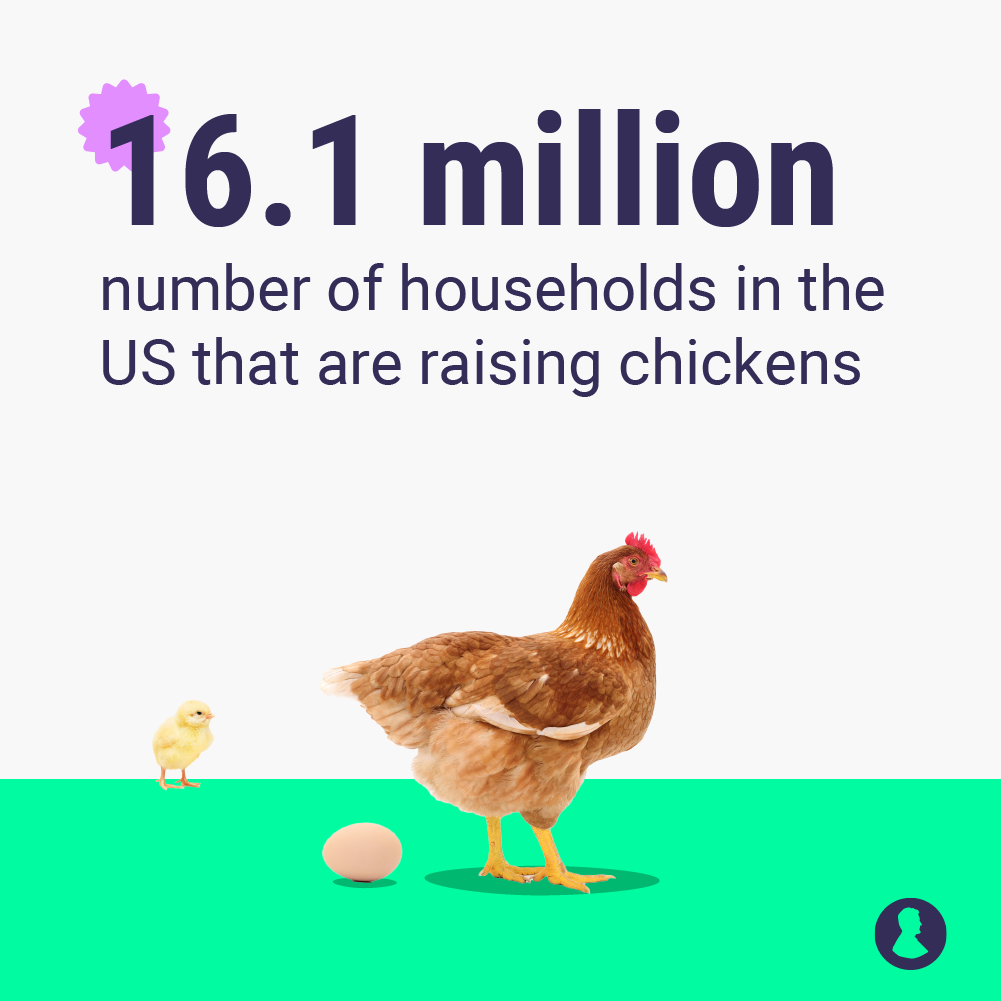
Per the American Pet Products Association’s National Pet Owners Survey, 13% of U.S. households keep chickens — roughly 16.1 million people. If you’re tempted to join them and put up a coop in your yard, it’s smart to weigh whether it will truly save you money.
Below is a comprehensive look at raising hens for eggs and the expenses involved.
Start-Up Costs: What You’ll Pay Upfront
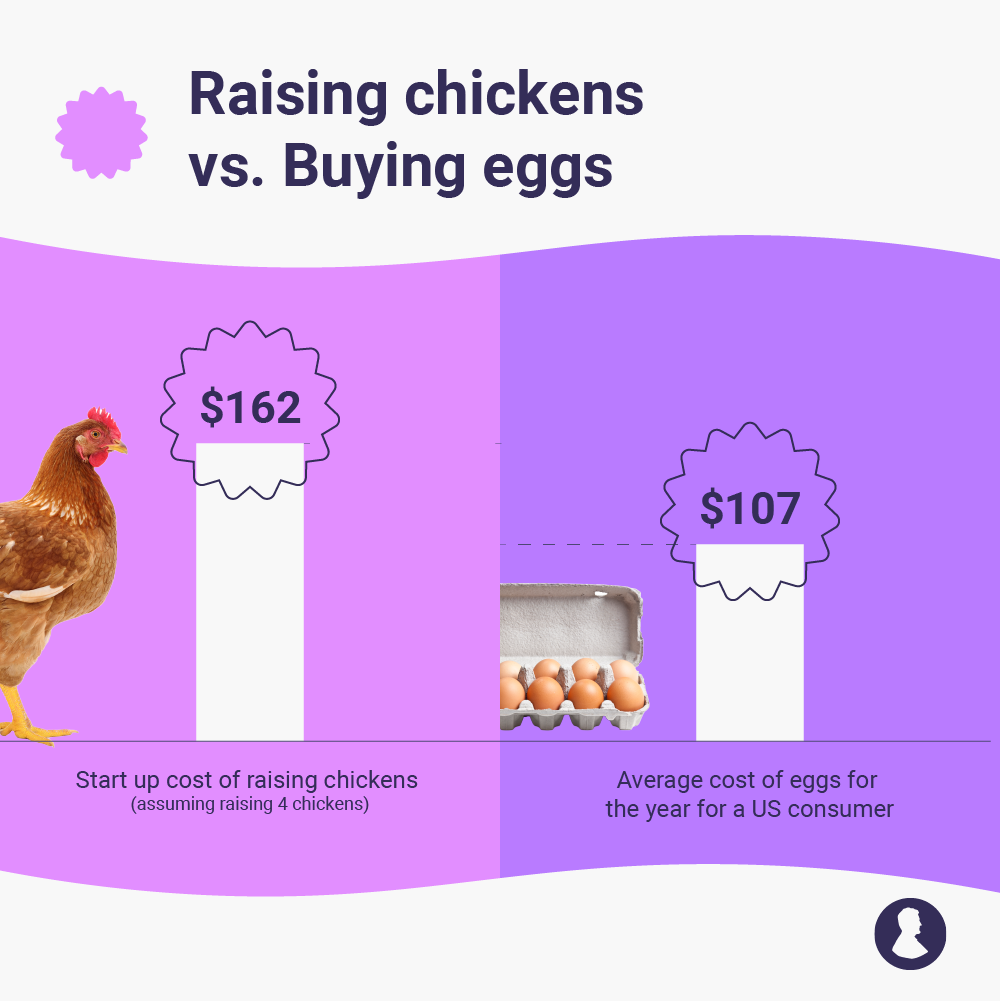
Initial one-time costs for beginning chicken-keeping start at roughly $162, assuming you plan to keep four laying hens. Some localities require permits or fees to keep poultry; we’ve omitted those because they don’t apply everywhere.
Here are the primary start-up expenses to consider.
- The coop: Your birds will need a secure shelter to protect them from predators. Constructing or buying a coop generally costs at least $100, though that’s a low estimate. HomeAdvisor reports that a professionally built coop averages about $650. Most homeowners spend between $300 and $2,000. Depending on size, design, materials and prep work, you could end up paying several hundred dollars or more.
- Baby chicks: Prices for chicks vary; typically, you’ll pay around $3 to $5 per chick. Remember that chickens are social and do best with companions, so purchasing at least two is recommended. Buying four chicks would cost roughly $12 to $20 total.
- Egg-laying hens: Mature laying hens cost more than chicks — plan on spending $20 to $50 per bird. Specialty or show breeds can be pricier still.
- Collection supplies: Items for gathering and storing eggs — baskets, crates, cartons, cleaning supplies, storage tubs, labels and markers — can total $50 or more.
 Ongoing Costs: What You’ll Spend to Maintain Hens
For four hens, the typical annual cost after the start-up phase is about $602, which works out to around $50 per month. Here’s how that breaks down.
- Feed: Commercial chicken feed in the U.S. usually contains grains, protein sources like soybean meal, minerals and vitamins. Prices vary by region, but expect to spend about $36 to $50 monthly to feed four birds.
- Coop upkeep: A coop needs regular cleaning and maintenance to keep your hens healthy. You’ll likely clean the coop weekly or whenever odors appear. Budget roughly $10 to $15 per month for bedding, cleaning supplies and minor repairs.
- Veterinary care: Like other pets, chickens sometimes need medical attention — deworming, vaccines or treatment for common ailments. Plan on at least $50 per year for basic healthcare expenses.
Ways to Lower Your Chicken-Keeping Costs
So how much will it cost to raise chickens? Expect to spend about $764 in the first year to get started — not a small sum. Here are some strategies to reduce expenses.
- Buy feed in bulk: Purchasing feed in larger quantities typically reduces the price per pound, saving money over time. It also cuts down on store trips and gas costs. Ensure you have proper storage to keep feed fresh and away from pests.
- Build your own coop: If you have basic carpentry skills, constructing a coop yourself can cut costs significantly and allow you to tailor the design to your space. The Home Depot provides a step-by-step guide to help DIYers.
- Use kitchen scraps: Instead of throwing away food scraps, use appropriate leftovers to supplement chicken feed and compost. This reduces waste, enriches garden soil and supplements your flock’s diet.
- Join local chicken groups: Community groups or Facebook pages for poultry keepers offer shared resources, advice and local connections. Some groups host meetups, potlucks or swaps where you can learn from more experienced keepers.
Things to Check Before Bringing Chicks Home
Livestock rules are typically set by local, state or federal authorities. Before you build a coop, verify local ordinances to confirm whether backyard chickens are allowed. Zoning — whether your lot is designated residential or agricultural — often determines if poultry-keeping is permitted.
To be safe, contact your local zoning office or relevant municipal department. For instance, in Michigan, that responsibility falls under the Department of Agriculture and Rural Development.
 Raising Eggs vs. Buying Eggs
What’s the bottom line? Should you raise hens or keep buying eggs? Statista reports that the average U.S. consumer spent about $107 on eggs in 2021. Compare that with the roughly $764 needed for the first year of keeping four hens, and it’s clear that raising chickens solely to save money on eggs is unlikely to pay off.
That said, cost isn’t the only factor. If raising chicks into egg-laying hens brings you joy, or you want to avoid industrial farming and prioritize animal welfare, then keeping chickens is a lifestyle choice as much as a financial one. For most backyard keepers, however, producing eggs cheaper than store prices is unlikely — so many people find it more economical to purchase a dozen cage-free eggs at their local grocer.
Sahana Patel is a personal finance contributor who writes about budgeting, saving, mortgages, student debt and related topics. Her work has appeared in Forbes Advisor, Chime, U.S. News & World Report, RateGenius and other outlets.