America faces a huge housing crunch, yet you still need a reasonably priced place to live.
The situation was rough even before COVID-19, and rents have surged since then. Realtor.com is reporting a -1.0% year-over-year dip in rent for June 2023. It’s only the second decrease since 2020, which is welcome, but it’s too modest to fix the finances for the typical American household.
That same analysis listed the median monthly rent at $1,745. In today’s market many landlords require first month’s rent, last month’s rent and an additional security deposit equal to a month’s rent — simply to move in.
Another common stipulation is proving monthly income equal to three times the rent (which is even stricter than the 50/30/20 budgeting suggestion). That works out to needing at least $62,820 a year, plus roughly $5,235 upfront to secure the unit.
This creates a real problem, because the median weekly income in the U.S. is only about $1,100 according to the latest BLS figures. Even if you worked all 52 weeks without unpaid time off, that’s only $57,200 a year — not enough to qualify for the median apartment. And remember: with median figures, half of Americans earn less than that.
So what can you do when you need housing that won’t shatter your budget? Here are strategies to help you land a more affordable place.
Steps to Take When Affordable Housing Seems Out of Reach
The challenge can feel impossible when you’re trying to secure housing alone in this system. There are tactics to reduce your rent and improve your chances of finding affordable housing no matter your circumstances, though none are a guaranteed fix.
The market is harsh, but persistence is crucial, says Nicky Boyte, Civil Rights Organizer with North Carolina ADAPT.
“Hope for a better tomorrow is what keeps people moving forward,” Boyte said. “You’ve got to say, ‘Okay, I was at this point a year ago, and I’ve come a long way since then.’ To someone else it may not seem like much, but you know the huge steps you had to take. Let that progress motivate you.”
Why Public Housing Isn’t Always the Answer
First, let’s examine public housing. You might think, “Why not rely on public assistance programs?”
You can, but you could end up waiting forever. Public housing authorities can only keep waitlists they believe they can clear within 24 months, so many municipalities aren’t even allowing new applicants onto their lists right now. They’re full, and when lists reopen you might find yourself trapped in a process that drags on for years or even decades.
The issue is tougher for people who are elderly or have disabilities; they make up about 45% of federal housing assistance recipients. While there’s an overall shortage of units, federally-funded projects are only required to provide mobility features in about 5% of units and visual/hearing accommodations in roughly 2% — not nearly enough for those who need them.
“Let’s say you qualify for a voucher,” Boyte explains. “If there aren’t landlords with accessible units willing to accept vouchers, the voucher is useless. Even when agencies say they have enough vouchers, they’re not pushing developers to create more accessible units. It’s simply inadequate.”
Seek Out Mom & Pop Landlords — When Possible
Independent landlords are often more flexible about security deposits and application fees. They may be open to negotiating rent or income criteria. While not every small landlord will be generous, you’re likelier to find flexibility with them than with big corporate property owners or large apartment complexes.
However, finding Mom & Pop landlords is more difficult now. Since the 2008 recession, corporate investors have bought up lots of rental properties. The pandemic accelerated that trend, as smaller owners who suffered under eviction moratoriums sometimes had to sell when tenants couldn’t pay, leaving corporations to purchase their units.
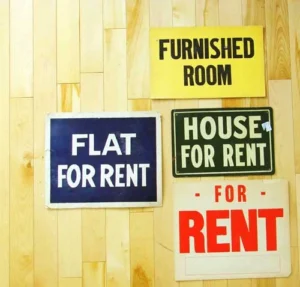
Good ways to locate local, non-corporate landlords include asking around, driving neighborhoods looking for hand-made “For Rent” signs, and checking free-listing sites like Craigslist. Exercise caution when using sites like Craigslist — vet listings carefully and use safety measures when meeting in person — but these avenues can lead to reasonable deals or landlords willing to negotiate.
Move During the Off-Season
When rental demand falls, prices can soften. For instance, beginning your lease in February is often cheaper than starting in June, especially with smaller landlords.
Large property managers may not lower the monthly rate just because it’s winter, but they often run off-season promotions — such as waiving the first month’s rent or offering credits toward the security deposit.
Share the Space with Roommates
Splitting rent with roommates is a straightforward way to reduce housing costs. If you’re over 30, the idea might make you squirm, but giving up some privacy can translate into substantial monthly savings.
Even if you’re living with friends you trust, it’s smart to draft a written agreement outlining responsibilities (especially financial obligations) and consequences for nonpayment before you move in. That lowers the chance of conflict later.
If the roommate is someone new, a written contract is essential, and you should thoroughly screen candidates prior to moving in.
Move in With Relatives
Living with family is a common response to today’s rental pressures. It can be particularly helpful after an eviction, as relatives might not charge rent so you can rebuild savings and qualify for future housing.
It’s beneficial to have a written rental arrangement with family members, even if the “rent” is nominal. That way, they can vouch for your reliability in paying rent if a future landlord requests references.
If you don’t have family to turn to and you’re using public programs, the following suggestions may help.
Reach Out to Your Local Center for Independent Living
If you’re elderly or have a disability, your local Center for Independent Living can connect you with multiple supports, including affordable and accessible housing options. You can find your local chapter here.
Besides helping you avoid unsafe institutional settings and remain in your community, these centers can offer:
- Information about your legal protections.
- Peer mentorship on available programs.
- Assistance transitioning out of institutions, if you’re already placed there.
- Support for self-advocacy.
What to Do While You’re Waiting for Housing
Being stuck on long waitlists for public housing makes day-to-day life difficult. If you qualify for public housing, your income is probably low enough to be eligible for other supports like SNAP, Medicaid or Social Security, too.
Many of these benefits require you to keep income below strict thresholds. Some also limit how much you can have in savings or assets. Often these caps force people to live well beneath the poverty line, meaning while you wait you can’t easily improve your finances to qualify for non-assisted housing.
However, if your disability began before age 26, you can open an ABLE account to shelter assets—allowing you to hold up to $100,000 without jeopardizing eligibility. Starting in 2026 the age of disability onset for ABLE eligibility rises to 46, but folks who develop disabilities at older ages will still be ineligible.
If you’re exploring government and community options, also consider looking into section 8 housing as part of your search strategy; it can be a useful route for eligible households.
Pittsburgh-based contributor Brynn Ellis is the founder of the Femme Frugality blog and author of “The Feminist Financial Handbook.” She regularly writes for Savinly. Savinly staff also helped with this piece.