Bandit became so ill he refused food and water; he couldn’t even stand.
“What do you do?” my dad — usually pretty frugal — shrugged. (Bandit happens to be his favorite child.)
Our dog spent two nights in the animal hospital on an IV, getting X-rays… just looking miserable.
Then he recovered. The vet never pinpointed the problem, and my parents were hit with a $4,000 invoice.
Fortunately, they were able to cover it.
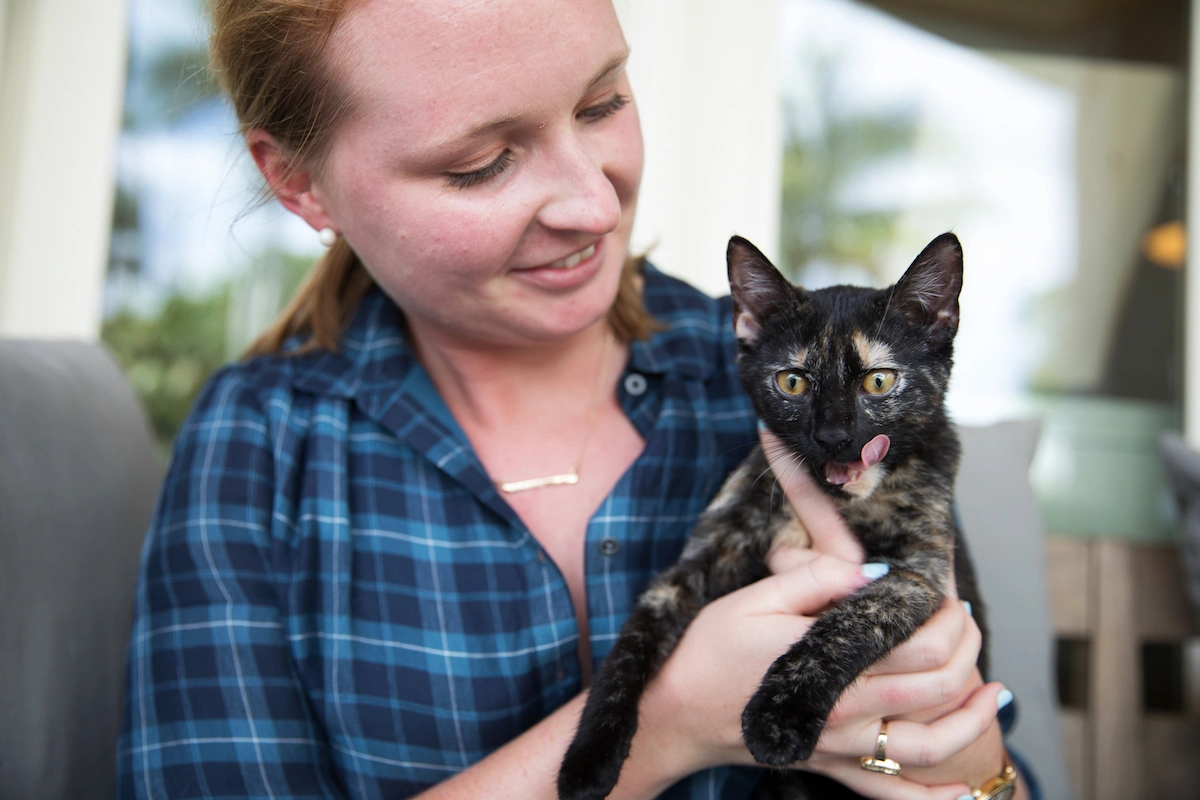
Me? A few months back I unexpectedly took in a kitten (found her on the highway). I adore her, and I’d be crushed if anything happened to her.
But if I faced a $4,000 bill? Frankly, I’d be in trouble.
That realization made me a little panicky (as usual), so I started researching pet insurance.

So What Is Pet Insurance?
Americans are expected to spend $16.62 billion on veterinary care this year, according to the American Pet Products Association.
And individual owners shouldn’t be surprised if they face at least one $2,000 to $4,000 emergency vet bill during their pet’s lifetime, says Louise Murray, D.V.M., a veterinarian and vice president of the ASPCA’s Bergh Memorial Animal Hospital.
So yes, vet bills can be costly, especially the unexpected ones.
That’s where pet insurance comes in. Usually these plans cover a portion of costs associated with illnesses or injuries.
“If we’re going to love a pet and treat them like family, we should be prepared if something happens, because it will,” says Kristen Lynch, executive director of the North American Pet Health Insurance Association (NAPHIA).
“Life happens, right?”
Her mini poodle, Seamus, was getting sick almost every spring for a while. She couldn’t figure out why. He needed vet visits for barium and X-rays, then he recovered.
It turned out he’d been eating cherry pits under her deck, and the barium cleared the blockages.
“That little rascal,” Lynch says with a laugh. “No more cherries on my deck.”
Each time she relied on pet insurance. Seamus has been covered since about 12 weeks old. She estimates she’s saved roughly $5,000 so far.
How Does Pet Insurance Work?
Usually, each policy includes an annual deductible you must meet before coverage applies. You also pay a monthly premium.
Your deductible and premium depend on the plan you pick (more on that below) — along with the co-insurance, the portion you’ll cover out of pocket.
At the clinic you still pay the bill, but after filing a claim it’s often processed within five business days, Lynch says. So you can put the charge on a credit card and expect reimbursement before that payment is due.
Sometimes the veterinarian will bill the insurer directly if the expense is large or complicated.
For example: A few summers ago, Lynch says two dogs attacked Seamus at the park. The vet bill totaled $2,000.
“My deductible was $350 then and co-insurance was 20%, so I got $1,320 back,” Lynch explains.
She charged the expense to a card, but received the claim payout before the next statement was due — which she says has always been the case.

So… How Much Does Pet Insurance Cost?
With Lynch’s examples in mind, I wanted to find typical pet insurance prices.
The average dog policy costs about $22 per month; for cats, it’s roughly $16 per month, according toConsumer Reports.
I ran my own numbers to give an idea of potential costs. Remember, premiums differ by provider, coverage levels and chosen benefits.
“You get what you pay for when it comes to coverage,” Lynch says.
At a basic level, premiums are determined by your location, plus your pet’s species, breed and age.
Using comparisons from Canine Journal, I looked at Pets Best Insurance, Petplan Insurance and Healthy Paws Pet Insurance.
Note: All insurers provide instant policy quotes, so you can quickly estimate costs.
Subject No. 1
Meet Bandit (you met him earlier). We think he’s about 9. He’s a medium mutt, and aside from some allergies and this year’s scare, he’s in decent health.
Here are the mid-July 2017 quotes I received for him:
- Petplan Pet Insurance : $72.59/month
- Pets Best Pet Insurance : $70.83/month
- Healthy Paws Pet Insurance : $35.01/month
Monthly premiums vary noticeably.
For example, Petplan and Pets Best appear pricier monthly, but they also reimburse a higher portion of costs and require lower annual deductibles ($250 versus $750).
Subject No. 2
Now meet Josie. She’s roughly 12 weeks old — the stray I rescued from the highway. Young, lively and healthy.
Here are the mid-July 2017 quotes I received for her:
- Petplan Pet Insurance : $16.97/month
- Pets Best Pet Insurance : $13.60/month
- Healthy Paws Pet Insurance : $21.58/month
For Josie, Healthy Paws demands a higher monthly payment, but the yearly coverage limit and deductible are lower (though only by about $50).
You’ll want to calculate whether you prefer higher upfront costs or a larger monthly outlay. That choice is yours.

What to Consider When Shopping for Pet Insurance
Now that you’ve got some numbers, dig into each plan to see what they include — and which best suits your furry friend.
Here’s what to check when comparing pet insurance:
1. Know Your Pet’s Needs
Most policies cover dogs and cats, though you can find plans for other animals if you look.
Consider breed-specific health risks. Some dog breeds, for instance, are more likely to get arthritis or diabetes. What would treatment cost?
Lynch says she asked her vet: “What’s a common issue for a poodle? How much would treatment cost if it happened?”
That helps determine the coverage level you should choose.
2. Understand What’s Covered
Read the policy carefully.
Many plans cover accidents, illnesses, diagnostics, cancer care, surgery and prescriptions, among other treatments.
Pre-existing conditions, pregnancy- or birth-related care, routine preventive treatments and death-related costs (after certain ages) are commonly excluded, according to NAPHIA.
Here are a few examples of covered and excluded items:
All of Petplan Insurance plans include:
- Accidents and injuries
- Illnesses
- Veterinary exam fees
- Imaging (MRI, CT, ultrasound)
- Diagnostic treatments
- Prescription medications
- Cancer treatments
- Non-routine dental treatments
- Surgery and rehabilitation
- Alternative therapies
- Referral and specialist treatment
Pets Best Pet Insurance covers much of the same and then some:
- Accidents
- Illnesses
- Cancer treatments
- Hereditary and congenital conditions
- Emergency care, hospitalization and surgery
- Prescription medications
- Ongoing and chronic conditions
- Diagnostics
- Older pets
- Full coverage even if not spayed/neutered
- Behavioral conditions
- Prosthetics and wheelchairs
- Euthanasia
- Coverage while traveling (within the U.S., Canada or Puerto Rico)
3. Consider Other Factors
Ask yourself a few more questions:
- Which specialists are included? If your dog tends toward eye issues, ensure an ophthalmologist is covered.
- Are there age limits or minimum ages?
- How easy is claims filing? Is there an app?
- Is there a cap on incidents if your pet has an especially rough year?
If in doubt, talk to your veterinarian.
So Who Needs Pet Insurance?
It depends on your situation. If you’re unsure, this article might help: Is Pet Insurance Worth It?
For Lynch, it’s a sensible choice.
“Pet insurance is aimed at those of us who live month to month,” she says. “I save a bit each month in my budget, but I also keep coverage because it makes sense. I have other plans for my spending and savings, and I’d rather avoid a financial surprise.”
Alexandra Gray is a junior writer at Savinly. She shares entirely too many photos of her cat around the office. If you want to see them, find me on Twitter.