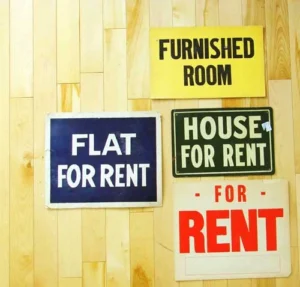
One way to ease the financial strain is to move into a shared house. Before you picture sitcom-style nightmare roommates, weigh the benefits: more living area. Possibly a yard. Meals that beat instant noodles any day.
If those perks appeal to you, communal living could be a strong fit. We spoke with two experienced group-house residents about how they manage to spend less while feeling wealthier for it.
Meet Two Group-Living Veterans
“I pay under half of what my peers do for rent and utilities, and I get to do things that would normally be out of reach,” said Rachel Choate, a DC-area real estate agent saving toward a down payment on her own home. Until that time, group living is her preferred setup; she’s actually helped organize three of the five group homes she’s lived in.
Choate, affectionately known as the “house mom,” added, “There’s also the instant support system a group house provides.” That support can be especially valuable if you’re living far from family and old friends.
Lyndsey Fifield, digital director at a public policy nonprofit, has also appreciated the fellowship of a compatible group house. “In one shared house when I first graduated college,” she recalled, “we pooled money for groceries and ate breakfast and dinner together. We saved a lot and bonded over trying new recipes.”
Want to set up your first group house and start saving? These two homeowners recommend following five essential steps.
1. Define a Lifestyle Aim
Figure out the kind of communal living you want and the elements that matter to your way of life.
“You need an identity that makes the house attractive beyond just low rent,” Choate said. That identity might be a shared hobby, a professional field, or even a personality type like being introverted or extroverted.
“When I launched my current house, I pictured a home focused on hospitality: welcoming guests, hosting dinners and gatherings often, and being actively involved in our neighborhood,” Choate explained.
2. Assemble Your Crew
You might already have a previous roommate or a close friend in mind for the new place. But how will you fill the remaining rooms? Ask friends for recommendations or tap neighborhood email lists to find roommates who fit the vision you’ve set.
What made Choate’s recent house roommates a great match? “We all cared about community, loved hospitality, were on tight budgets and were flexible.” Not that hard to find people who meet that description, right?
3. Choose the Right House
Fifield, who calls herself a Craigslist expert, shares savvy ways to leverage the classifieds.
“If you’re using Craigslist in a city (and let’s be honest, you probably are) don’t limit yourself to the housing section for new leases,” she advised. “Check the ‘shared’ listings to find people looking to exit leases or homes that are turning over.” You might find a house before it officially hits the broader rental market or move into a place replacing most of its occupants.
Keep an open perspective while house-hunting and consider neighborhoods off the beaten path. “The best areas for group houses are often those folks don’t immediately gravitate toward,” Choate said. “Popular neighborhoods tend to be full of costly, tiny apartments, and the few houses available are insanely priced.”
She spent roughly three months touring homes and chose one a bit farther from where most friends lived. “The neighborhood sat on the edge of what many considered ‘safe,’ but that meant the rent was a lot lower than a few blocks over. The house was also near public transit, so roommates could get around without the added cost of a car.”
4. Lay Down Some Ground Rules
Bring everyone together to create some basic guidelines. “In some shared homes it works best if each person takes one bill, but in others a single person handles everything. It depends on what you’re comfortable with. It’s a big responsibility,” Fifield said. “Set expectations for when utilities are due and how they’ll be paid.”
Keep a document or binder with all house details, from copies of leases to emergency contact numbers. Fifield emphasized the need to have everything in writing. “You will forget who paid a security deposit after four women named Sarah have moved through the house in three years.”
She also recommended maintaining a cordial relationship with your landlord. Appoint one roommate as the primary contact so the landlord isn’t inundated with calls or messages about issues at the property.
5. Collaborate — Then Unwind!
Sharing pantry staples among roommates can cut your grocery expenses significantly. Be clear about who buys shared items and how often they should be replenished.
Then, enjoy the social perks. “Our household schedules periodic group dinners where one person cooks for everyone or we each bring a dish to share,” Choate said. “This trims the grocery budget and means we eat better than if we were cooking solely for ourselves.”
Fifield concurred. “It’s great to come home to a house full of people to share a glass of wine with instead of heading out and spending a lot on happy hours.”