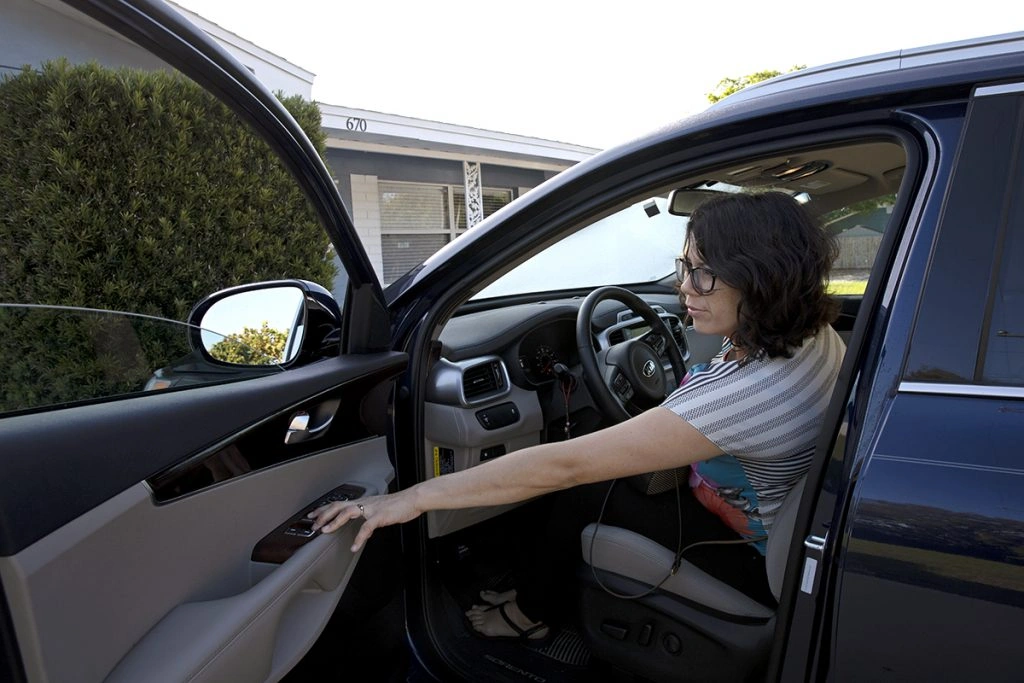
After fixing issue after issue only to be left stranded by another, I finally threw in the towel.
I didn’t have funds for a new vehicle yet, so I began saving and either bicycled or carpooled in the meantime.
I went without a car for months.
I hadn’t bought a vehicle since 2004, so I felt a little unsure about what to choose and what I actually needed. I spent several months saving, researching and planning until I was ready to purchase the 2018 Kia Sorento I’d been watching.
If you’re facing something similar, you essentially have two routes: pay cash upfront for a car or finance it with a loan.
How to Save Money for a Car in 6 Steps
Whether you require a car right away or have a few months to accumulate funds, preparing ahead will protect you from overspending or falling prey to a slick salesperson. Follow these six steps.
1. Figure Out How Much You Can Afford to Spend
Knowing your limits is crucial. Once you identify how much you can afford, you’ll know how much to set aside.
Add up all your essential monthly bills. This covers rent or mortgage, utilities, phone service, credit card and student loan payments, and insurance. Do not include optional expenses like cable, groceries or gym memberships.
What remains? That leftover is the working number you’ll use to determine a reasonable monthly loan payment or the amount you should save for a one-time purchase.
Example: Jane earns $1,500 per month, or $18,000 annually. Her basic monthly expenses are:
- Rent: $500
- Utilities (water, electric, gas, internet): $200
- Phone: $60
- Credit card: $100
Total: $860
Leftover: $640
Jane’s car budget is not $640. It will be substantially less than that.
Keep in mind, she’ll need additional money for insurance premiums, fuel, upkeep and repairs.
Jane also has to eat and probably has other variable expenses. We’ll cover how to trim those variable costs in the final step.
2. Determine What Kind of Car You Want
Everyone wants reliable transportation, but narrowing down the right vehicle for your needs will help set a target budget.
Consider these questions when choosing a car:
- Do you prefer a compact, sedan, van, truck or SUV?
- Will the car be for commuting, travel or school?
- Which features are must-haves, and which can you live without?
Be realistic. If you earn $18,000 a year, stay within your means and skip the luxury options.
Once you determine the type of car you want, you can look up fair purchase prices for new and used models via Kelley Blue Book.

3. Decide if You Want a New or Used Car
There are advantages to buying a brand-new car: warranties, lower interest rates in some cases and the peace of mind of a known vehicle history.
However, new cars cost more and depreciate quickly, often carry higher insurance rates, and commit you to monthly payments for years before you truly own the vehicle. Not everyone can take on that burden.
There’s no shame in choosing a used car.
Lower monthly payments, reduced insurance and smaller registration fees can make a used car more attractive. If you save enough, you could even buy a used vehicle outright.
But buying without a warranty can mean higher maintenance and repair costs. Decide beforehand what trade-offs you’re willing to accept.
4. Calculate the True Cost of Owning a Car
Now that you know what’s affordable, it’s time to work out down payments, monthly payments (if financing) and related expenses.
How Much to Put Down on a Car
A common guideline is to put down about 10% of the purchase price for a used car and 20% for a new car.
If the used car you want costs $6,000, aim to put down at least $600. For a $20,000 new car, plan on paying at least $4,000 upfront.
Remember: there will be fees for tags and title, so give your down-payment savings some cushion to cover these initial costs.
Calculating Your Monthly Car Payments
If you put $600 down on a $6,000 car, you’ll finance $5,400 through monthly installments. Typical auto loan terms are 36, 48 or 60 months.
Use an auto loan calculator to estimate monthly payments. These can vary by sales tax, interest rates and the trade-in value of your old vehicle, which we’ll get to next.
For a $5,400 loan with a 5.15% interest rate and 7% sales tax over 48 months, your monthly payment would be about $134.
Using Jane’s example above, she can manage this payment with her current income.
Loans can be obtained from a dealership, a bank, a credit union or other lenders. Credit unions and smaller lenders can be especially useful if you’re financing an older used vehicle, as bigger banks often won’t finance cars older than about 10 years.
Budgeting for Additional Car Expenses
Ongoing costs like insurance, fuel and maintenance are unavoidable if you want your vehicle to keep moving.
Insurance premiums vary by make, model, year, location, driving record and safety features. There are many coverage options, but you can shop around and request free quotes to find the best price.
Fuel prices swing up and down, but you can estimate weekly needs and leave wiggle room in your budget for gasoline.
If you buy used, consider purchasing a warranty or maintenance plan. These cover certain repairs or service jobs depending on the specific plan. You can get one from the dealership or a third-party provider.
If that’s not available, set aside money each month for vehicle upkeep and be ready for unexpected repairs. Patrice Banks, mechanic and founder of Girls Auto Clinic, suggests car owners save around $100 per month if their vehicle has more than 100,000 miles.
Combined, your monthly car-related costs — loan payment, insurance, fuel, maintenance — shouldn’t exceed 10% to 15% of your take-home pay.
5. Evaluate Your Current Car’s Worth
If you have a vehicle to trade in, it’s an asset. Its trade-in value will reduce the sale price — and your monthly payments if you finance the next car.
To estimate your current car’s trade-in value, you can have it appraised online so you know what to expect when trading with a dealer.
Every dollar you can shave off the sale price helps.
You could also sell it privately or use a third-party service like Peddle. Use that cash for your down payment or add it to your vehicle repair emergency fund.
6. Save Up for Your Car
Remember when I said “Knowing is half the battle”? Well, executing is the other half.
If you genuinely want a car, you’ll need to make sacrifices and commit to saving. Here are some ways to begin.
Trim Your Expenses
Differentiate wants from needs to decide what you can temporarily give up while saving. A few ideas:
- Cancel that gym membership and exercise outdoors.
- Cut back on streaming subscriptions.
- Do your own nail care.
- Buy only essentials at the grocery store and avoid impulse buys, eating out and delivery.
Don’t be overly strict or you might binge later. An occasional treat is fine — just stay focused on your objective. Small tweaks in spending will swell your car fund quickly and keep you motivated to save.
Bring in Extra Income
As Savinly Readers, many of us know how to hustle. You might be limited without a vehicle, but there are numerous ways to earn money from home, sell unwanted items or find nearby gigs.
Every little bit helps; even $20 here and there adds up when it’s time to buy.
Use a Savings Account
Between trimming costs and boosting income, you’ll need a place to park that money, preferably out of reach. Open a savings account if you don’t have one, and deposit regularly.
If you know what you can comfortably handle for a monthly car payment, start contributing at least that amount to the account each month. Automate transfers to trick yourself into saving, or use a budgeting app that does it for you.
Stick to Your Savings Goals
Discipline makes everything easier. It’ll be an adjustment at first, but watching your savings grow is motivating, and having goals helps curb unnecessary spending.
Stay focused and be persistent about building your fund for the next set of wheels. Skipping a budget and savings plan will stall your car-buying plans, and all Jane, you and I want is to hit the open road.
Alexandra Reed is a former staff writer at Savinly. After her recent vehicle purchase, she hopes not to buy another car for many years.
Senior Writer Nicole Dow contributed to this piece.