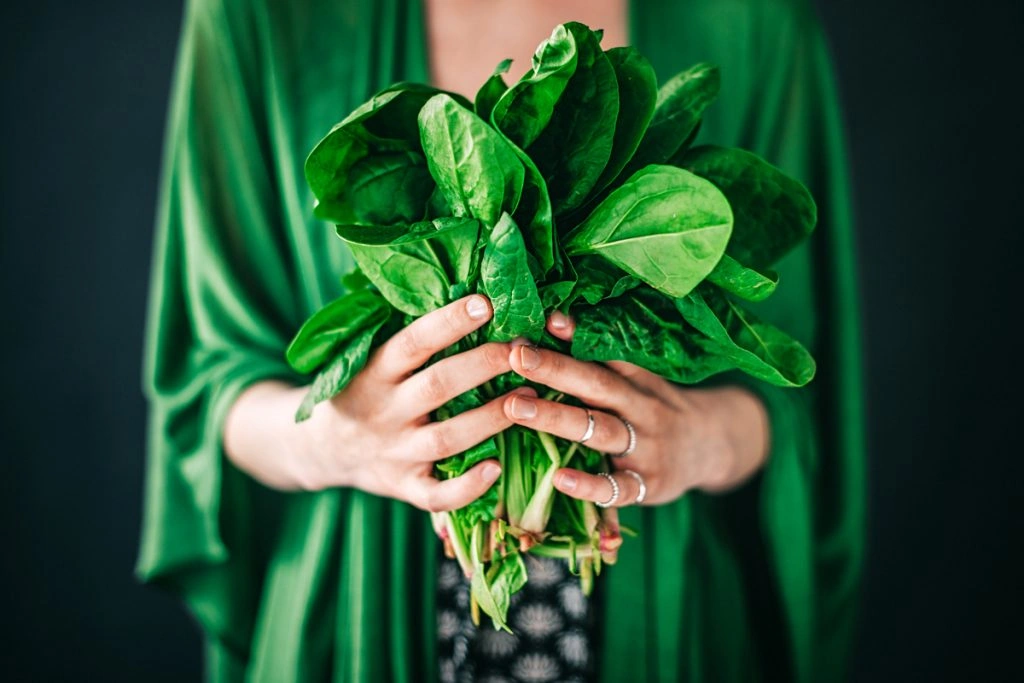
Buying spinach often feels like a battle against time.
You pick up a bag, promising this time will be different. You won’t end up tossing half a bag of sad, droopy leaves at the end of the week. Yet somehow, it happens every time.
Fresh spinach typically lasts about five to seven days. Sadly, there’s little you can do once it’s gone off. If you open the package and the leaves are limp and coated in a slimy film, don’t eat them.
While some produce can be salvaged after they begin to decline (think bananas, avocados and pears), spinach isn’t one of those. Its high moisture content makes it a likely breeding ground for foodborne bacteria.
Fortunately, there are several tactics to store, preserve and use large amounts of spinach across the week.
How to Store Spinach So It Lasts Longer
Moisture is the main culprit behind spinach’s rapid spoilage, so the quickest way to extend its life is to move it into an airtight container as soon as you bring it home.
The Natural Nurturer suggests placing layers of paper towels inside the container. Some people even recommend tossing in a couple of slices of bread to help control moisture.
How to Freeze Spinach So You Don’t Waste It
If you realize you bought more spinach than you can use in a week, freezing is a solid option — it will keep for nine to 14 months.
Keep in mind you won’t be able to use thawed spinach for salads, but it’s ideal for smoothies, pasta, quiche and generally tastes better than many store-bought frozen varieties.
That said, freeze spinach quickly. If the leaves start to sag before freezing, they can develop a bitter flavor.
HGTV recommends washing, drying and trimming the leaves before freezing. You may also want to blanch them, either by traditional blanching or steam blanching.
For traditional blanching, boil a pot of water and add the fresh spinach. Let it cook for about two minutes, then transfer the leaves into ice water for another two minutes.
For steam blanching, bring 2 to 3 inches of water in a pot to a boil. Place a mesh colander or steamer basket above the water and add the spinach. Steam for two minutes, then plunge the spinach into ice water.
After chilling, dry the spinach thoroughly with thick paper towels or a salad spinner.
Once dry, portion 1 to 2 cups into an airtight freezer bag.
Freezer burn will leave your spinach tasting rubbery and bitter. Extra moisture and trapped air encourage freezer burn, so ensure leaves are dry and the bag is sealed tightly. If you don’t have a vacuum sealer, you can use a straw to suck out excess air before sealing.
After storing spinach in the freezer, monitor the bag. If you spot leaves beginning to deteriorate, remove them to keep the remainder fresher for longer.
Spinach Dishes to Make Before It Wilts (or Right After)
Whether you’re making breakfast, lunch or dinner, spinach is versatile and can be added to many recipes to use it up.
1. Omelet
For a single-serve breakfast, you can’t go wrong with a spinach omelet.
2. Smoothies
A morning smoothie is an easy way to sneak fresh or frozen spinach into your diet. This piece highlights several ways to incorporate spinach into your shake.
Another idea: blend frozen blueberries, a handful of spinach and two spoonfuls of Greek yogurt with cashew milk and coconut protein powder. The yogurt and cashew milk create a creamy, satisfying breakfast.
3. Breakfast Casserole
If you want to impress, a breakfast casserole is a great way to use up greens. This green eggs and ham casserole from Bon Appetit calls for a generous 2 pounds of fresh greens.
4. Quiche
A classic quiche is another excellent choice. You can make any quiche crustless — just ensure the pan is well greased.
You might also line your pie or casserole dish with thinly sliced potatoes or sweet potatoes. Roast the slices first before adding the filling to prevent them from soaking up the egg mixture and becoming mushy.
Alternatively, the simplest (and arguably tastiest) method is to line the dish with phyllo dough, then follow any quiche recipe, folding in the amount of spinach you prefer.
A spinach quiche is a good solution for leaves that are too limp for salad but still usable. If the spinach has developed a slimy film, discard it, but slightly wilted leaves can be chopped finely and stirred into the quiche.
5. Pesto
Just-wilted spinach is ideal for making a spinach pesto. Pesto is easy to prepare, so it’s a fun activity to include kids in the kitchen.
Getting children to eat greens can be challenging, but letting them blend 2 cups of spinach with Parmesan, olive oil and garlic might win them over. Pesto also pairs perfectly with a kid-friendly favorite: pasta.
Spinach can be added to nearly any dish. Toss finely chopped spinach into this Caribbean curry right before serving. If you’re serving pasta, sauté the spinach and stir it in at the end. Making tacos? Replace lettuce and cheddar with spinach and feta for a lighter spin on a classic.
With a little imagination and proper storage, you can turn your spinach into tasty meals instead of the trash each week.
6. Appetizer Dip
Who can resist a warm bowl of spinach artichoke dip?
This crowd-pleasing appetizer works well with either fresh or frozen spinach. The recipe from Tastes Better From Scratch combines spinach with canned artichoke hearts, mayo, cream cheese, sour cream, Parmesan and a few pantry staples. If artichokes aren’t your thing, this creamy spinach dip is a solid alternative.
Anna Brugmann is a contributor to Savinly. Senior writer Michael Hart contributed.