On social platforms recently, it feels like vintage is back in vogue. The push to upcycle and reuse possessions has permeated every facet of buying habits, from pre-owned outfits to secondhand automobiles.
Although this pared-down mindset about preserving what you already own is fashionable, there are plenty of solid reasons beyond trends to breathe new life into old belongings.
Why Mend Broken Goods Rather Than Buy New Ones?
The most apparent reason to repair rather than replace damaged or worn items comes down to money. Fixing things typically costs less, particularly when you’re prolonging the usefulness of pricier items like home appliances.
Indeed, a growing campaign dubbed the “Right to Repair” argues that manufacturers have engineered a closed-loop market by placing unnecessary obstacles in front of straightforward fixes. This practice of planned obsolescence nudges shoppers into a repeat cycle of purchasing the newest version because repairing seems less economical. Rinse and repeat.
There’s also a persuasive environmental case — beyond the dollars you save — for choosing repair. Producing fresh materials strains global resources and produces needless rubbish. Repairing instead of replacing can extend the lifespan of your items and reduce environmental impact.
How to Decide If a Repair Is Worthwhile: 4 Steps
Not every damaged item deserves restoration. Here’s a step-by-step way to judge whether to mend or discard.
1. Assess Whether It’s Repairable
A plastic bit sheared off your child’s beloved toy, or those vintage pajama bottoms finally tore. Some materials, like certain plastics or badly worn fabric, are difficult to salvage. Your first task is to determine if what’s broken can realistically be repaired.
2. Hunt Down a How-To
Next, turn to YouTube or a search engine and let the vast repository of DIY know-how guide you. There are online tutorial sites to fix nearly anything. Figure out what supplies or replacement parts you’ll need and how much time the job will take.
3. Decide If a Pro Is Needed
Many basic repairs using common tools are doable for most people, but some jobs — electrical or major plumbing, for example — should be left to specialists.
4. Run a Cost-Benefit Check
Just because a thing can be repaired doesn’t mean it should be. If required tools or parts are costly, weigh how much regular use the item will get afterward. Your evaluation should compare the repair expense and the additional lifespan gained versus the cost of a replacement.
16 Household and Personal Items Worth Repairing
- Stainless steel cookware
- Rugs and area carpets
- Window and door screens
- Vacuum cleaners
- Ceramics and dishes
- Lamps
- Furniture
- Lawn mowers and garden machinery
- Power tools
- Appliances
- Smartphones and electronics
- Stuffed toys
- Apparel
- Jewelry and watches
- Handbags, purses and luggage
- Shoes and belts
1. Stainless Steel Cookware
Non-stick pans are tough to save once the coating is scratched or food begins to stick, and at that point replacement is usually the safest option. But if you invested in stainless steel, rejoice — that cookware can last for years.
You can tighten loose handles or swap out broken hardware with just a screwdriver. If your pots look dull, polish them with baking soda or use white vinegar to revive their shine.
2. Rugs and Carpeting
Disposable throw rugs might not merit repair, but more costly rugs and carpets can often be patched or even re-dyed to hide stains and renew color.
Ask a local carpet specialist if a high-value or specialty rug is a candidate for professional restoration.
3. Window and Door Screens
Screens tear — it’s common. But buying a whole new unit isn’t always necessary because the fix for most screens is simple and low-cost.
Repair kits available at hardware stores let you patch small holes or fit new mesh into the existing frame.
4. Vacuum Cleaners
If your vacuum has lost suction, don’t give up. Hoses, belts and other parts make vacuums seem daunting, but many pieces are straightforward to replace and far less expensive than a brand-new machine.
Prevent future issues with routine upkeep: change filters, clear brushrolls, and repair any weak spots in hoses.
5. Dishes and Ceramics
Minor cracks in ceramic dishes aren’t necessarily terminal if treated promptly. Porous ceramics should be dampened before adhesive application, and epoxies may need up to an hour to fully set.
Bob Vila’s guide can point you to the appropriate glue to keep that cherished mug or bowl intact.
6. Lamps
Don’t toss that antique lamp yet. In many cases it’s recoverable. Make sure the lamp is unplugged before attempting to rewire it to avoid a shocking surprise. If it functions but clashes with your decor, a new shade can transform it.
7. Furniture
Repairing furniture is often easier than you think. Remove water stains from wood with mayonnaise, replace drawer pulls, or refresh a piece with paint or stain over time.
Outdoor furniture, too, can often be revived with spot cleaning or inexpensive reupholstering.
8. Lawn Mowers and Garden Tools
Gas-powered mowers and yard tools need the same kind of regular maintenance that cars do. The best way to prevent trouble is to care for them during use and before storing them each season.
If your mower’s performance has declined, consider a blade sharpening at a neighborhood shop.
9. Power Tools
For drills, saws and other power tools, you likely have the practical know-how to handle fixes. Often, replacing brushes or belts is all that’s needed to restore function.
Always prioritize safety: unplug and disconnect tools before beginning any repair work.
10. Appliances
When suds spill from the dishwasher, the washing machine clogs, or the disposal jams, it’s tempting to summon a technician. But in many cases simple clogs or buildup are the culprits.
Check your appliance manual, consult online videos and diagnose common issues before assuming you need professional help.
11. Smartphones and Electronics
Replacing a battery or fixing a cracked display is not as intimidating as retail technicians might suggest. If you’re new to these repairs, follow detailed tutorials carefully and have a tech-savvy friend on standby.
12. Stuffed Toys
Somehow, sewing up a plush pal looks easy in cartoons, but real repairs can be trickier. You may need to replace eyes or noses, patch seams, or add stuffing to restore a beloved stuffed animal.
Really soiled plush toys often can be machine-washed — just be sure to read care tags first.
13. Clothing
Snagged knitwear, torn jeans, or holes in pockets — garments take a beating. Fortunately, you usually don’t need advanced tailoring skills to mend them.
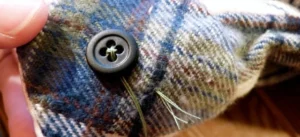
Simple fixes like sewing on buttons, applying iron-on patches, or swapping zippers can extend the life of many pieces.
14. Jewelry and Watches
A handy pair of needle-nose pliers can do wonders for jewelry: closing broken clasps, untangling chains, and more.
If a watch begins to lose time or the strap breaks, a visit to a watch repair shop is often the best route.
15. Handbags, Purses and Luggage
Many dry-cleaning services offer fixes for broken zippers, straps, and similar issues, and stitching a torn lining is typically straightforward. Before you decide on a repair cost, check with the manufacturer about warranties.
Numerous luggage lines and some high-end purses include warranties that cover repairs for years, sometimes even a lifetime.
16. Shoes and Belts
If your favorite shoes show heavy wear, don’t discard them immediately. Neutral shoe polish can hide deep scuffs, and a cobbler can repair heels, resoles, and scuffed leathers.
The same cobbler tools that restore shoes can also renew a worn belt.
When to Hire a Professional
There are times to step back and hand repairs over to an expert. Complex jobs involving major plumbing or electrical systems should usually be handled by trained professionals. Likewise, some repairs require specialized tools or costly parts that make DIY impractical.
The next time something breaks, consider searching YouTube before your wallet. The resources to repair rather than replace are often just a few clicks away.
Alex Mercer is a senior staff writer at Savinly covering tips for saving money and smart spending. Over the last decade, Alex has reported on a wide range of subjects, including personal finance, health, policy, education and technology.