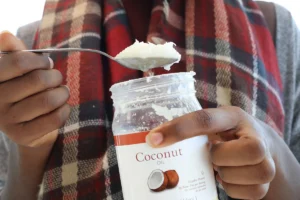
I first came across coconut oil a few years back when a health-oriented grocery store opened near my home.
Although I initially purchased it for cooking, I soon discovered numerous ways to use it around the house. I now go through so much that I buy large tubs from Costco to cut costs; an 84-ounce container costs $17.99 and typically lasts me four to six months.
If coconut oil is new to you, you might be surprised at how flexible this once-obscure ingredient can be.
What Are the Health Benefits of Coconut Oil?
The first application most people think of for coconut oil is cooking. I often find it in Indian recipes, but I’ve used it in a wide range of dishes from curries and stir-fries to granola and muffins.
There’s debate around eating coconut oil because of its high saturated fat levels. According toHarvard Medical School, coconut oil contains more saturated fat than butter or lard—around 90%. Saturated fat is known to raise LDL (the “bad”) cholesterol, so overconsumption of coconut oil could negatively affect heart health.
That said, Harvard Medical School also notes that coconut oil is particularly effective at raising HDL (the “good”) cholesterol—more so than other saturated fats. It’s also praised for anti-inflammatory effects.
While some experts caution against eating coconut oil, it remains a common cooking staple, especially in its refined form.Healthline explains that the oil’s saturated fat profile makes it less prone to oxidation, improving its heat tolerance. This makes it suitable for sautéing, baking and other higher-heat cooking.
Wellness Mama highlights additional health advantages. Coconut oil exhibits antimicrobial activity that may support gut health and is rich in lauric acid (second only to breast milk). It also contains processed fats known as medium-chain triglycerides (MCTs), which may boost immunity and potentially enhance brain function.
Generally, unrefined coconut oil is preferable for skin and hair care.
Types of Coconut Oil
Like olive oil, coconut oil appears with several descriptive labels. Below are the most common classifications you’ll find. You’ll also see organic and expeller-pressed versions, the latter using high pressure and heat during extraction.
Refined Coconut Oil
Refined coconut oil undergoes heating to remove impurities and create a more uniform product. It solidifies into a white substance when cold and has a higher smoke point than unrefined oil, making it useful for cooking. Some refined oils are hydrogenated to extend shelf life, but that process can increase trans fats and saturated fats, making them less healthy.
Unrefined Coconut Oil
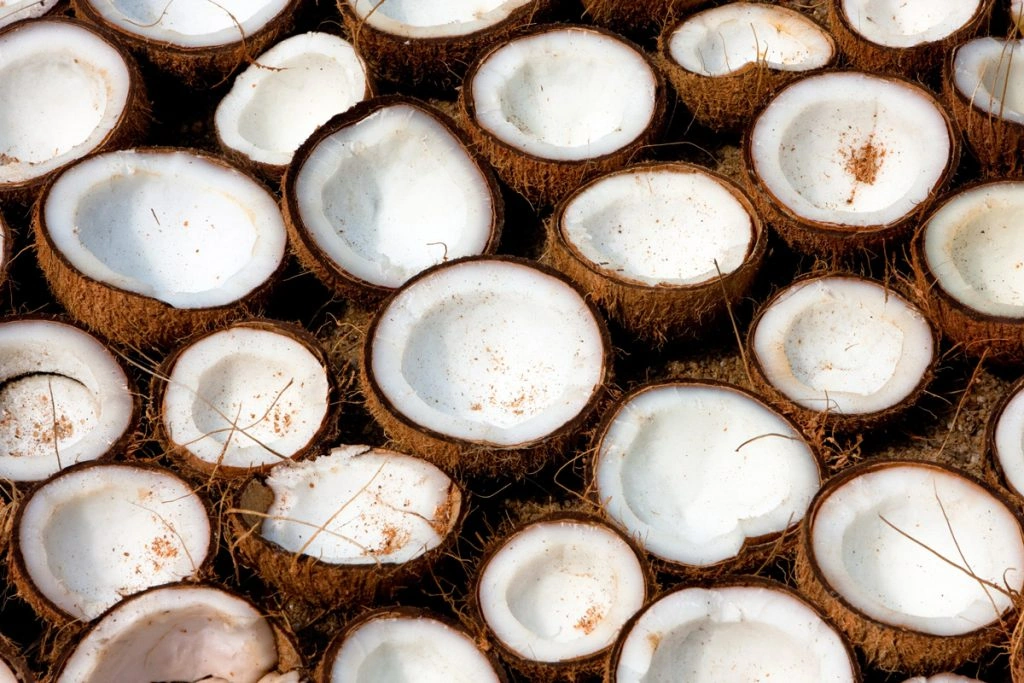
Also called raw coconut oil, the unrefined variety is produced from fresh coconut meat. Liquid is pressed from the flesh and then heated, separating the oil from the watery coconut milk. Another approach, “quick drying,” rapidly dries the meat before extracting the oil. Because it’s not heavily heated, it retains more flavor and appears translucent when solidified.
Virgin Coconut Oil
This is the least processed form and carries the strongest coconut aroma. It has a shorter shelf life but maintains antioxidant qualities. It’s suitable for cooking and beauty uses, although the scent can indicate freshness—if it smells off, it’s past its prime. Note that there is no “extra-virgin” designation for coconut oil.

25 Uses for Coconut Oil
Below are a variety of ways to use coconut oil in the bathroom, kitchen and throughout your home.
1. Condition Hair
Allure lists many beauty applications for coconut oil, including as an intensive hair conditioner. I find it best to coat dry hair from mid-length to ends, cover with a shower cap for 30–60 minutes, then shampoo to avoid lingering greasiness while still getting the moisturizing benefits.
2. De-Frizz Hair
Coconut oil works well to tame frizz and stray hairs during the day. Keep a small container at your desk or in the car—but remember it will liquefy in heat, so store it upright to avoid spills.
3. Remove Makeup
Keep a little jar in the bathroom to take off eye makeup. It dissolves mascara and eyeliner effectively while being gentle on the delicate eye area.
4. Moisturize Your Body
After showering, I apply coconut oil instead of store-bought lotion. I prefer using something natural rather than products that contain ingredients with unfamiliar names.
5. Use as a Lip Balm
Apply coconut oil to your lips before bed to retain moisture overnight; I noticed my lips are far less chapped in the mornings after starting this habit.
6. Clean Makeup Brushes
Because it removes makeup from skin, coconut oil can also help clean brushes. Massage some into the bristles to loosen makeup, then wash with soap and water and air dry.
7. Soothe Diaper Rash
When my son was an infant with sensitive skin, coconut oil was my go-to instead of zinc oxide or petroleum products. Healthline notes there’s limited research, but coconut oil can ease inflammation, itching and redness while creating a protective barrier to reduce recurrence.
8. Relieve Eczema Pain
Coconut oil can help those with eczema by hydrating skin and lowering inflammation and discomfort. It may interact with medications, so consult your dermatologist before trying it.
9. Soothe Bug Bite Itching
For mosquito and other insect bites, rub a little coconut oil directly on the spot to calm itching and irritation.
10. Make Your Own Toothpaste
To craft a natural toothpaste, Today suggests combining 4 tablespoons coconut oil with 2 tablespoons baking soda and 3–4 drops of flavor extract (peppermint works well). Use it on your toothbrush like regular toothpaste.
11. Remove Gum From Hair
If gum gets stuck in hair, apply coconut oil to the area, let it sit for a minute or two, and gently work the gum out. You may need to repeat the process for stubborn pieces.
12. Polish Furniture
Make a natural furniture polish by mixing 1 tablespoon coconut oil with a splash of lemon juice. Rub it into wood and wipe off with a clean cloth to restore shine.
13. Moisturize Leather
Coconut oil can revive old leather and help prevent new leather from aging. Apply, let sit briefly, then buff away excess to condition shoes, garments or furniture.
14. Remove Dead Bugs From Your Car
After a highway drive, remove dead insects from your car’s grille or hood by applying coconut oil, letting it penetrate, then wiping off with a microfiber cloth—being careful not to scratch the paint.
15. Fix Squeaky Hinges
If you’re out of WD-40, coconut oil can lubricate squeaky door hinges. Apply a small amount to the hinge and the noise should stop.
16. Remove Sticker Residue
Stubborn adhesive left by stickers can be dissolved with coconut oil—let it soak in, then wipe away the residue with a cloth or paper towel.
17. Remove Stains
Create a stain-fighting paste from equal parts coconut oil and baking soda. Apply to stains on carpet or upholstery, leave for about five minutes, then wipe away. Repeat for tougher spots.
18. Get Rid of Crayon Marks From Walls
For kids’ crayon art on walls, rub a bit of coconut oil on the mark and wipe with a cloth—the crayon should come off with little effort.
19. Remove Scuff Marks From Floors
Use coconut oil and a cloth to remove scuffs from tile or vinyl floors, making sure to clean away any oil residue afterward to avoid slippery surfaces.
20. Sanitize Cutting Boards
Rub coconut oil into wooden cutting boards to condition them and use its antimicrobial qualities to reduce bacteria.
21. Prevent Tupperware Stains
To stop tomato- or turmeric-based sauces from staining plastic containers, wipe the interior with coconut oil before adding leftovers. The oil creates a protective layer that helps prevent permanent staining.
22. Grease Baking Dishes
Coconut oil is an effective substitute for butter or spray oil when greasing pans; coat dishes before baking to prevent sticking.
23. Relieve Sore Throats
Dr. Axe recommends using a small amount (½ to 1 teaspoon) of coconut oil to ease throat discomfort and coughing—handy to have during cold season.
24. Clean Pets’ Teeth
Coconut oil benefits pets, too—many dogs enjoy its taste and brushing their teeth with it can support dental health thanks to its antimicrobial properties.
25. Prevent Kitty Hairballs
Swanson Vitamins suggests you can reduce hairballs and promote a healthier coat by applying ½ teaspoon of coconut oil to your cat’s paw for them to lick off.
Whether you use it primarily for cooking or explore its many household and beauty applications, coconut oil can replace pricier products across your kitchen, bathroom and cleaning supply areas. Consider buying in bulk to maximize savings and keep a jar handy for varied uses — and for more ways to incorporate it into your routine, check out beauty tips for coconut oil.
Ohio-based contributor Rebecca Martin writes about personal finance, cars, pet care and parenting for Savinly.