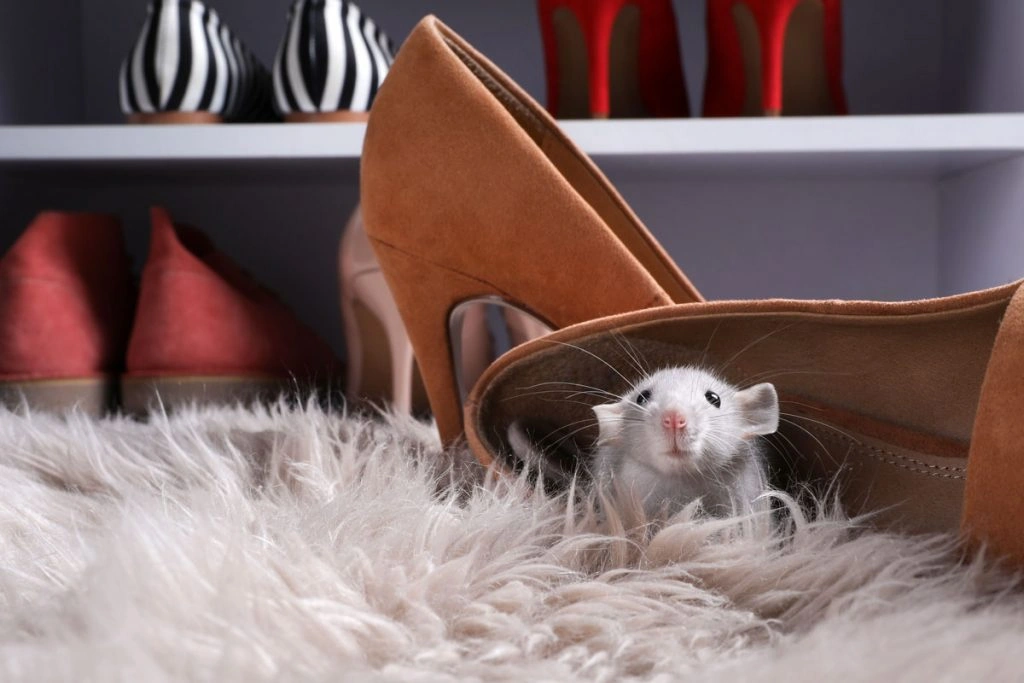
Late one night, I began hearing odd thumps that I assumed were coming from outside my bedroom window.
I paid them no mind.
Then the noises shifted to the ceiling right above me and were followed by tiny scurrying sounds.
It sounded like a miniature dance floor of little feet — a clear sign that critters had returned to the attic.
I recognized the noises. I’d dealt with rats in the attic before. I thought they were gone, but they had returned.
If you suspect critters in your attic, there are four key steps: Inspect, remove, block entry points and sanitize.
Below are several low-cost or inexpensive strategies to clear your attic of rodents.
Don’t Let the Bedbugs Bite: Follow These 5 Travel Tips for a Safe Trip
Got a Pest Problem? Start With an Inspection.
Wherever you live, rodents can make their way into attic spaces. It’s not necessarily a cleanliness issue — they’re searching for warm, sheltered spots and attics fit the bill.
“We joke about it like motorcycle riders: some have been down that road and some will. We applied that to rats. Folks either have had rats, currently have them, or eventually will,” said Patrick Hutchison, co-owner of Ratman, a pest and wildlife removal business near Tampa, Florida. “It’s just part of the environment here.”
You may hear thumping, scratching, scampering, gnawing or squeaking. Pets often detect rodents before people do, so check if your animal seems agitated by noises in walls or the ceiling.
The type of attic invader varies by region, but squirrels and rats are usually the main offenders. Bats, raccoons, opossums and even snakes can also end up in attics.
Squirrels tend to come and go when foraging and are most active at dawn and dusk. Rats are nocturnal and secretive, so you’ll likely notice them at night.
There are two primary rat species — the Norway rat and the black rat.
- Norway rat: Also called a barn rat, brown rat, common rat, gray rat, house rat, sewer rat, water rat and more. They’re widespread across the U.S. and prefer lower levels, so they may not be the ones in your attic.
- Black rat: Also called a roof rat, tree rat or fruit rat. More common along the Gulf Coast, they dwell in trees and like dead palm fronds and branches. They dislike cold and frequently get into attics and roofs.
All these rodents can damage insulation and ducts, chew through wiring or drywall, ruin stored belongings and spread illness via droppings.
Attic rodents won’t simply disappear on their own — you’ll need to act.
First, get a look to identify the intruder. Be cautious — attics can have unstable footing, so be mindful where you step.
Look for the following signs:
- Droppings: Rat droppings are cylindrical, glossy black when fresh, and about ½ to ¾ inch long. Squirrel droppings are similar but usually larger and more pellet-like.
- Disturbed nesting materials: Check for tunnels, nesting spots and bits of fur.
- Urine odor: A strong ammonia-like smell indicates rodents have been present for some time.
- Damage: Search for holes in ducts, chewed wires, or gnaw marks on stored items.
“If you find droppings, they didn’t just appear randomly. Some people are naive and say, ‘it was only one or two,’” Hutchison said. “One or two droppings indicate rodent activity at some point and should prompt proactive steps.”
Time to Remove Them
Extermination is the next phase.
“When they’re up there, they’re not merely visiting. They chew things up and turn your attic into a litterbox. That leads to more serious issues down the road,” Hutchison said.
The simplest option is hiring a wildlife removal or pest control company that handles rodents.
According to HomeGuide, wildlife removal can start around $150 and reach $1,000 or more depending on the species, severity of infestation, number of entry points, damage and other factors. Many firms itemize services so you can choose what you need.
You can also handle it yourself if you’re dealing with small rodents and there’s no significant attic damage.
“Treating rats and squirrels is entirely different. Squirrels don’t necessarily nest long-term in your attic; rats will. Extraction methods differ,” Hutchison explained.
Keep in mind there are rarely just one or two rats — you’re likely facing several. They breed quickly.
“Rats follow pheromone trails, so a couple of individuals can lead to four, five, or more. Before long, they produce litters and you’ve got a family. It can escalate fast,” Hutchison warned.
Trapping addresses the immediate population but doesn’t prevent future intrusions.
Three common trap types for rats are:
- Live: Cage-style traps keep the animal alive. While seeming more humane, relocating live animals can cause problems like separating young from adults or handling aggressive animals.
- Glue: Sticky boards trap rodents on an adhesive surface. Large rats may escape, and trapped animals often don’t die instantly.
- Snap: Snap traps use bait to lure rodents and a spring-loaded bar kills them quickly and humanely.
Set multiple traps and place them where you’ve seen activity. Look for rub marks, urine or droppings — rats follow runways along walls, floor edges, or wires.
Rats are wary of new items and may take the bait without triggering the trap.
Try these bait options:
- Commercial rat bait from hardware stores
- Peanut butter and nuts
- Bacon
- Dried fruits
- Hot dogs or sausages
- Gumdrops, chocolate, or sweet candies
Some rats are finicky or already have access to food, so they might ignore your bait.
Basic snap traps cost roughly $3 to $8. Glue traps start around $5. Live traps are pricier and range from simple enclosures to electronic models.
Using poison in the attic is generally a bad idea.
“If they eat poison up there they’ll likely die inside and then you’re dealing with foul odors, flies and other issues from decomposing carcasses,” Hutchison said. “That’s an entirely different cleanup.”
If you do use rodenticide, ensure it won’t harm wildlife that might scavenge poisoned rodents.
Before trapping, plan how you’ll dispose of any animals you catch.
173 Household Product Hacks to Save Money — and Space
Seal Off Entry Points
Alongside removal, it’s vital to block re-entry.
“Once you’re not catching anything, you can go ahead and seal everything up,” Hutchison advised. “But continue trapping until you’re sure — there could be more.”
Many entry sites are on roofs or other high places. Use extreme caution with ladders and never work alone without a spotter.
Rats can squeeze through openings the size of a nickel, so even small gaps are enough for access.
Inspect roof vents, soffits, eave gaps and any penetrations where pipes or ducts enter walls, such as HVAC connections.
“Any area that leads into your attic or house should be sealed, even if it seems too small,” Hutchison said, noting that wire passages for security cameras can also be entryways for rodents.
Seal cracks and cover vents or gaps with sturdy metal mesh, aluminum flashing or other permanent materials.
“Expanding foam can help but it’s not a long-term fix,” he added. “Rats and squirrels can chew through it.”
If squirrels are the issue, install an exclusion door that allows them to exit but not re-enter. After they’re out, remove the door and permanently seal the hole with wire mesh.
Trim any tree limbs near the roof, rafters or gutters and clear away debris around your home.
This is where I slipped up. After installing a new HVAC system, I neglected to have my pest control company inspect for unsealed gaps. A recent paint job likely disturbed seals the previous company had placed.
After a lull, the rats found their way back in.
They’re Gone — Now Clean Up and Decontaminate.
After removing the animals, clear out what they left and disinfect by removing droppings and soiled materials.
Rodent urine and feces can carry diseases, so avoid direct contact and ventilate the area you’re cleaning.
“We recommend a bleach-water spray or a heavy-duty cleaner to disinfect,” Hutchison said, noting that sometimes full attic remediation is necessary if rodents have been present too long. “Rats can carry up to 32 airborne illnesses, so proper cleanup is essential to avoid living with a litterbox above your head.”
Uncomfortable with handling the cleanup myself, I hired a wildlife removal company to manage the situation.
The whole process to clear my home of attic rats took about three weeks and included multiple trapping visits, bait stations outside my house, and sealing several gaps. I also received a warranty for the work.
Now I’m finally getting sleep. During the removal I couldn’t rest once I heard any noise — I feared the critters might come through an HVAC vent and end up in bed beside me.
But that’s unlikely.
“Anything is possible, they could get into the living space from the attic,” Hutchison said with a laugh, but added it’s rare.
I’m relieved they’re gone.
Riley Thompson is a Florida-based freelance reporter with more than 25 years of experience covering finance, health, travel and similar topics.
Also useful: cheap ways to make friends