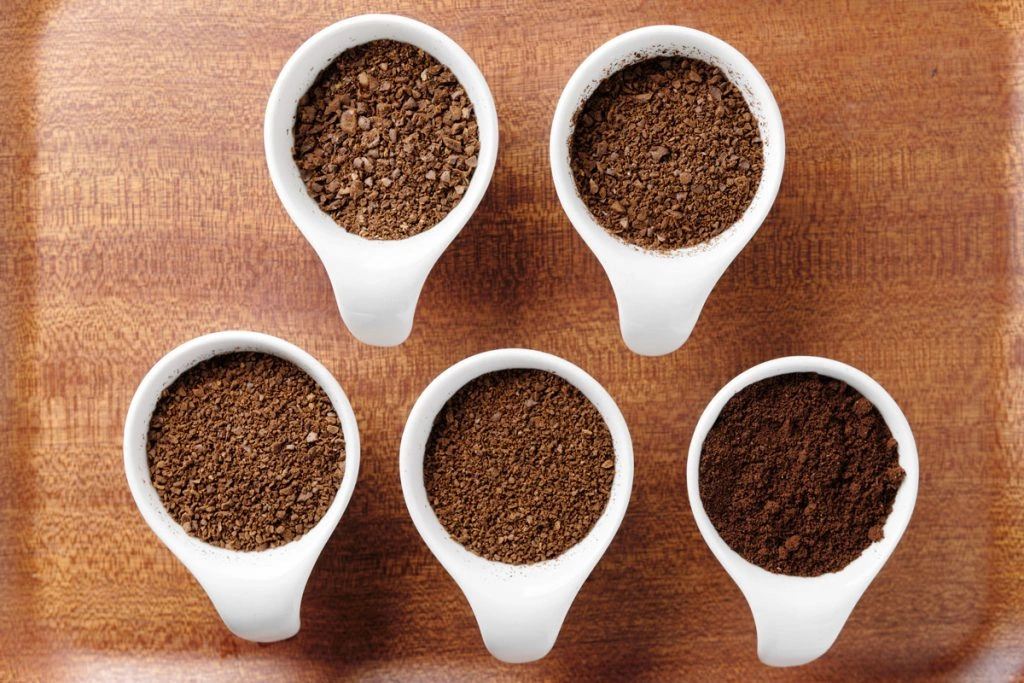
The National Coffee Association reports that 66% of Americans — roughly seven in 10 people — start their day with a cup of coffee. Whether you prefer a simple drip at home or an artful latte from the neighborhood café, caffeine remains the beverage most of us reach for.
While you may have come across research highlighting coffee’s antioxidant benefits, did you realize coffee (and particularly spent coffee grounds) has a host of uses beyond drinking? From polishing furniture to keeping pests away, coffee has some surprising talents that might make you think twice before tossing those grounds in the bin.
27 Ways to Use Coffee and Coffee Grounds Beyond the Mug
Many non-edible coffee applications rely on the leftover from your daily brew — used coffee grounds. If you need more grounds than your machine provides, try asking a nearby coffee shop; they often give away the day’s spent grounds at no cost.
Below are 27 practical uses for coffee and coffee grounds.
- Meat rub and tenderizer
- Chili enhancer
- Chocolate cake booster
- Secret sauce ingredient
- Compost and soil amendment
- Pest deterrent
- Flower nourishment
- Cultivating mushrooms
- Hand, foot and body exfoliant
- Hand odor remover
- Hair conditioner
- Under-eye treatment
- Minimizing cellulite appearance
- Ice traction aid
- Insect repellent
- Roach trap
- Odor absorber
- Kitchen scouring agent
- Fireplace helper
- Natural wood stain
- Furniture touch-up
- Homemade air freshener
- Flea remover
- Fabric dye
- Pincushion stuffing
- Painting and antiquing medium
- Beer adjunct
Culinary Uses for Coffee
Thanks to its acidity and rich flavor profile, coffee contributes a lot both on the plate and behind the scenes in cooking.
1. Meat Rub and Tenderizer
Fresh coffee grounds work nicely as a dry rub or as part of a marinade to enhance meats like steaks and ribs. The acidity and enzymes in coffee act as a tenderizer for tougher cuts, softening the meat while adding a deeper, more complex flavor to grilled, seared or roasted dishes.
2. Chili Enhancer
Many award-winning chili recipes include a bit of ground coffee to deepen the savory notes. Try an award-winning recipe that mixes coffee with bourbon for a smoky, robust base.
3. Chocolate Cake Booster
Some bakers swear that a splash of coffee, a shot of espresso, or even a teaspoon of instant coffee is the trick to elevating chocolate cakes. Combined with chocolate, coffee reinforces deep, rich undertones that enhance desserts.
4. Secret Sauce Ingredient
It may sound cliché, but coffee genuinely acts as a secret component in sauces. From barbecue glazes to dessert drizzles, coffee’s earthy complexity highlights flavors without overpowering them. (Red-eye gravy, anyone?)
Gardening Applications for Coffee and Grounds
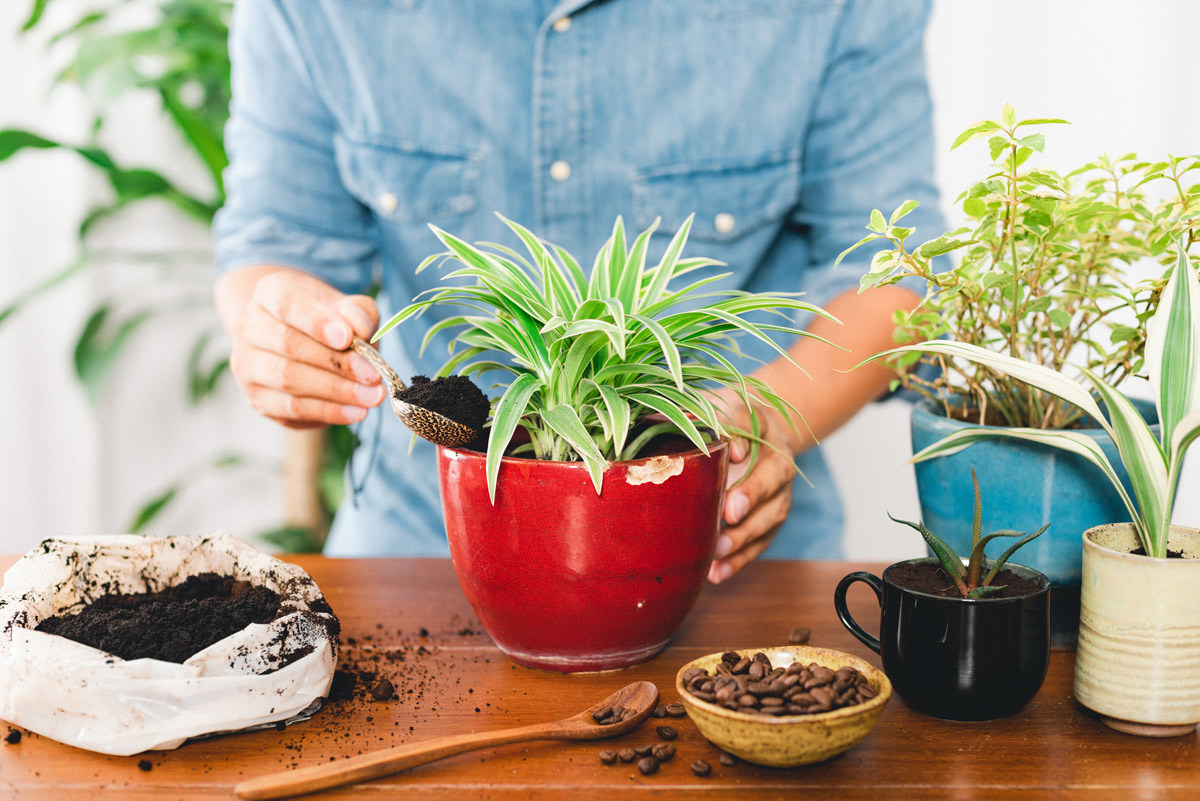
One of the best-known uses for spent coffee grounds is in compost, but if you haven’t experimented with them across your garden, you’re missing out on coffee’s green-thumb benefits.
5. Compost and Soil Amendment
Gardeners often save used coffee grounds to mix into compost or to use as fertilizer. Coffee grounds can influence soil PH and attract earthworms, which help aerate soil and add nitrogen. They’re particularly useful for crops like carrots and other fast-growing plants.
6. Pest Deterrent
Pests are a constant hassle in many yards. The strong aroma of damp coffee grounds can repel ants, slugs, snails, and even neighborhood critters like stray cats. If certain plants attract pests, lightly scatter grounds at the base to discourage them.
7. Flower Nourishment
Certain flowers, such as roses, benefit from organic material breaking down in the soil, so moderate use of coffee grounds can encourage blooms. Be careful with the quantity and timing — excess nitrogen placed directly on roots can damage plants.
8. Cultivating Mushrooms
Mushrooms need a specialized substrate to thrive, and used coffee grounds are an excellent option for growing varieties like shiitake and oyster mushrooms.
Beauty and Health Uses for Coffee
Whether applied as an exfoliant or used for its antioxidant properties, coffee is a staple ingredient in numerous beauty routines.
9. Hand, Foot and Body Exfoliant
Ground coffee is a popular exfoliant in DIY scrubs. Combine spent grounds with coconut or olive oil and a touch of citrus zest or essential oil to create a homemade scrub. Keep it in the shower to slough off dead skin cells while enjoying a steamy, invigorating scent.
10. Hand Odor Remover
Strong kitchen smells like garlic and onion can linger on hands. Use leftover coffee grounds to scrub them away — they help neutralize odors while leaving hands softer and more pleasantly scented.
11. Hair Conditioner
The idea of rubbing coffee grounds into your scalp might seem odd, but the oils in coffee can add shine and may stimulate circulation that benefits hair growth. A note for light-haired folks: coffee grounds can temporarily darken blonde or light-colored hair, so proceed with caution.
12. Under-Eye Treatment
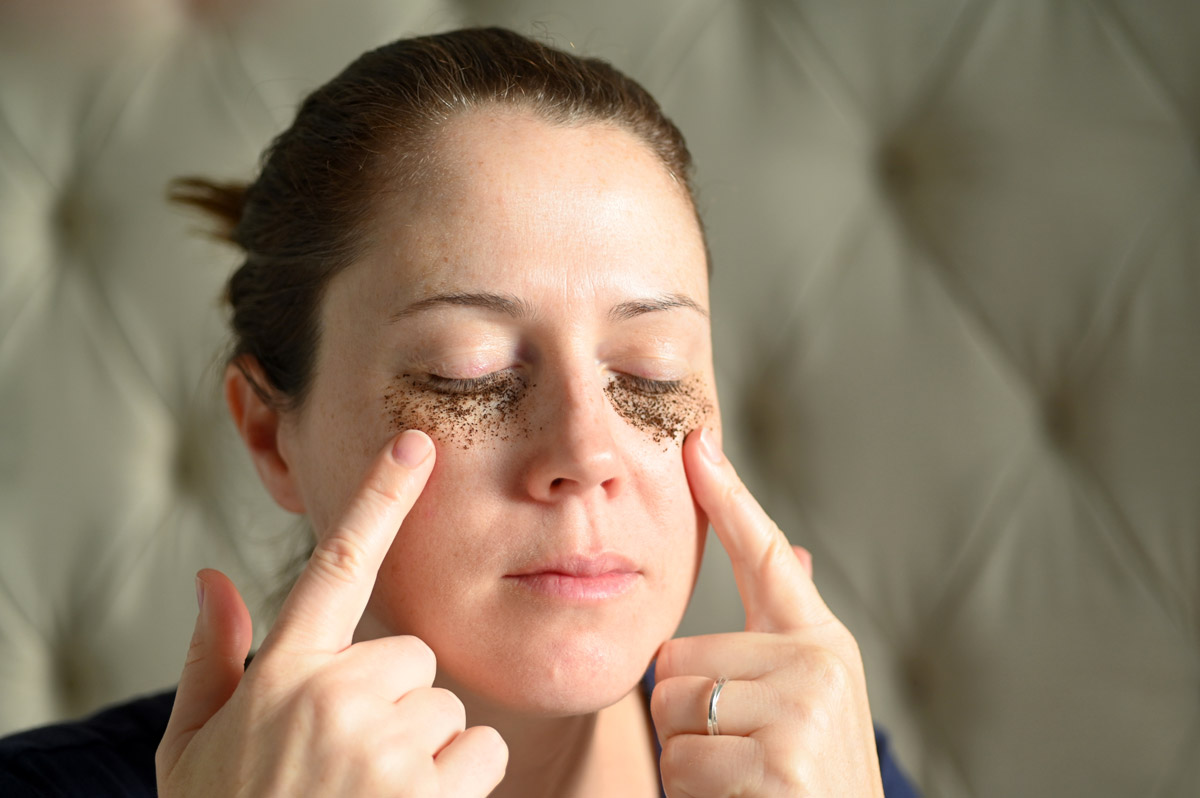
If you’ve relied on extra cups late in the day, applying a small amount of cooled coffee grounds beneath the eyes can help. Coffee treatments may tighten skin and boost circulation, reducing the look of puffiness and dark circles (one how‑to guide).
13. Minimizing Cellulite Appearance
Cellulite is natural, but many try to reduce its visibility. A paste of coffee grounds and oil applied to trouble spots a couple of times a week may temporarily smooth the appearance of dimpled skin (some sources suggest this effect).
Outdoor Uses for Coffee and Grounds
Bring your coffee outside and use it in ways that extend its usefulness beyond the kitchen.
14. Ice Traction Aid
Out of rock salt? Sprinkle used coffee grounds on icy steps or paths. They provide better footing and are gentler on plants, pets and your wallet.
15. Insect Repellent
While coffee deters many garden pests, its scent is also unpleasant to insects like mosquitoes, fruit flies and some beetles. Rather than rubbing grounds on your skin, consider coffee-scented oils or even burning dried grounds to help repel bugs (an approach some recommend).
16. Roach Trap
Cockroaches are oddly attracted to coffee. You can exploit that by creating traps: place grounds in jars or containers following simple instructions and let the roaches enter but not escape.
Cleaning Tricks Using Coffee and Grounds
From the kitchen to the hearth, coffee grounds can deodorize, scour and clean without relying on harsh chemicals.
17. Odor Absorber
Similar to baking soda, coffee grounds naturally absorb smells. Place small dishes around the house to neutralize odors in refrigerators, under sinks, or inside trash bins. You can also make little sachets to tuck into shoes or gym bags.
18. Kitchen Scouring Agent
Use the mildly abrasive texture of coffee grounds on grout, tiles, and tough kitchen messes. They’re effective against soap scum and food residue, and work well for scrubbing pots and pans. Stick to non-porous surfaces to avoid staining.
19. Fireplace Helper
Sweeping fireplace ash can be dusty and frustrating. Sprinkling coffee grounds on the ashes helps weigh them down so they’re easier to collect and dispose of without creating clouds of dust.
Household and Craft Uses for Coffee
Beyond cleaning and gardening, coffee can be used for small home fixes and creative projects, from staining wood to crafting.
20. Natural Wood Stain
Because coffee can stain porous materials, it’s a gentle, all-natural option for coloring unfinished wood. Combine grounds with vinegar and a bit of steel wool and follow a tutorial like these steps to achieve a warm, aged finish.
21. Furniture Touch-Up
Scratches on dark wood can often be minimized with a coffee rub. The exfoliating grit of grounds lifts grime while the residual oils help moisturize and blend small blemishes.
22. Homemade Air Freshener
If you love the aroma of coffee, recreate it at home by filling old socks or small pouches with ground coffee to use as natural air fresheners (one DIY guide). Not into sachets? Melt wax and mix in coffee beans to craft coffee-scented candles.
Miscellaneous Uses for Coffee Grounds
23. Flea Remover
Treating fleas often involves strong chemicals, but coffee grounds mixed with oil can act as a scrubbing alternative to help dislodge fleas and leave fur looking glossy. Rinse pets thoroughly and never allow them to ingest coffee or grounds, as caffeine is toxic to animals.
24. Fabric Dye
Coffee can also be used to tint textiles. A brew or concentrated mix can gently color fabric by hand — avoid using your washing machine to prevent residue and possible plumbing issues (a how‑to walkthrough).
25. Pincushion Stuffing
For a quirky gift, fill a pincushion with coffee grounds so the recipient enjoys the scent whenever they sew. It’s a fun upcycle idea and practical for craft lovers (one project example).
26. Painting and Antiquing Medium
Liquid coffee or grounds mixed with water can produce subtle tan or brown hues for painting. Applying coffee to paper or surfaces can give an attractive aged or antique finish useful for crafts and artwork.
27. Beer Adjunct
Homebrewers and commercial brewers alike turn to coffee to complement stouts and porters, adding depth and complexity. Brewers may add fresh coffee directly to the fermenter or steep grounds in bags for several days to infuse the beer (brewing tips).
If you’re trying to justify that extra cup, there are plenty of ways to get more mileage from your morning coffee. From garden care to furniture fixes, these ideas ensure your java’s leftover goodness doesn’t go to waste.
Alex Harper is a staff writer for Savinly.