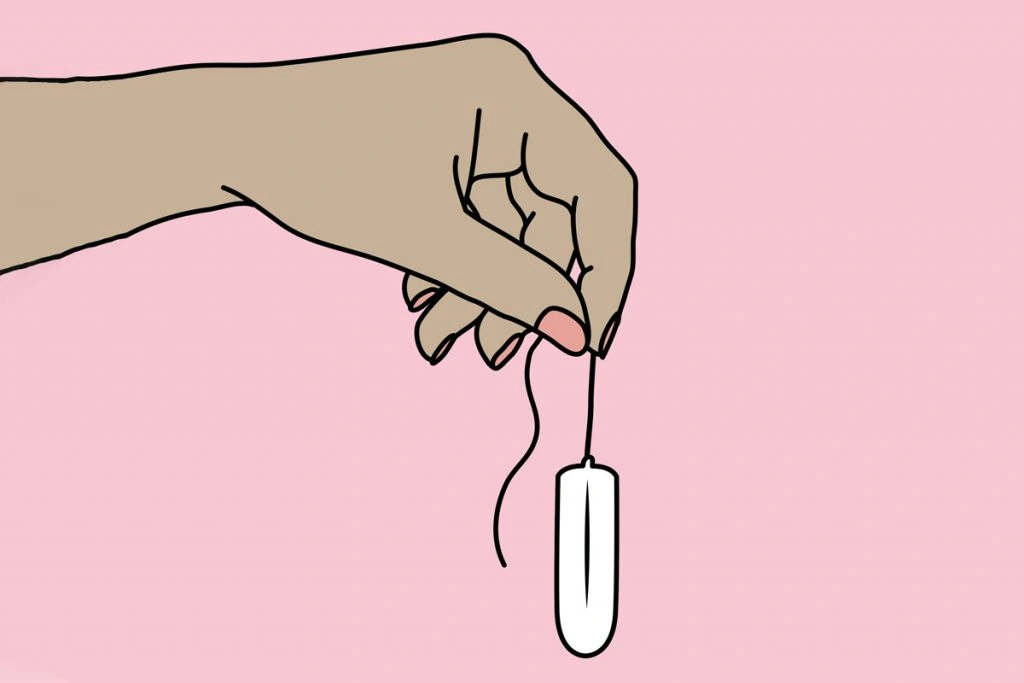
Over the years, despite our many differences, one experience most women share is monthly menstruation that lasts about a week. When that happens, we need ways to stay clean and protect our clothing.
That recurring need has given rise to a feminine care industry that has expanded beyond pads and tampons to include absorbent underwear such as Thinx and Knix. However, with single pairs often priced at $25 or more, these options are unaffordable for many. Still, the worldwide market for feminine hygiene items reached almost $22 billion in 2020.
By mid-2022, tampon shortages had driven prices up roughly 10 percent, a result of supply chain disruptions combined with inflationary pressures.
In the United States, a wide variety of menstrual products is readily available—from pads to tampons in many sizes, shapes, textures and even colors, sold everywhere from stores to gas station vending machines. Cost remains a barrier for some, and in other parts of the world availability is additionally limited. Cultural taboos often make discussing menstruation difficult.
On average, an American woman spends about $6,360 on period products between ages 12 and 52. Market research firm OnePoll surveyed 2,000 menstruating women and found that 79 percent have made financial sacrifices to afford hygiene necessities. Four in five respondents believe period poverty is a legitimate issue.
Period Poverty Around the World
Period poverty affects people globally who lack sufficient access to safe, hygienic menstrual products. Recently, advocacy organizations like the Alliance for Period Supplies and Helping Women Period have focused attention on this problem.
“(Period poverty) not only brings financial issues to the table but also creates a strong feeling of stress, which can lead to health problems and lower self-esteem,” said Danela Žagar, brand manager for Intimina, a Swedish company that makes women’s care items, in a press release. In 2021, Intimina released “A Wonder Girls Guidebook” to encourage conversations among adolescent girls about bodily changes.
How to Make a DIY Reusable Pad
The pandemic changed how many teens and women access low-cost or free menstrual supplies, yet the monthly need remains the same.
Workplace, school and clinic restrooms have often been dependable places to find free period products.
With many services moving online, those who relied on these free resources have had to seek alternatives. One practical option is making washable cloth pads. I first learned this method from a roommate who served in the Peace Corps and picked it up from her host family in Madagascar.
Supplies you’ll need:
- About 1/4 yard each of flannel and fleece to make 5+ pads. (Instead of purchasing new fabric, repurpose an old shirt, towel, or bedding.)
- Sewing needle or sewing machine
- Thread
- Measuring tape
- Scissors
- A closure method (snaps or Velcro dots work well)
- A pattern (trace a commercial pad or panty liner to make a template or use one of these free patterns)
Steps:
- Layer your fabrics and press with an iron; the heat helps them adhere. Cloth pads typically contain three layers:
- a top layer that is soft and absorbent, such as cotton flannel
- an absorbent middle core (cotton flannel, terry cloth, or natural fleece)
- a moisture-resistant backing like fleece
- Use your pattern to cut the fabric pieces.
- Sew the insert onto the wrong side of the top layer.
- Sew the top and bottom layers together with the wrong sides facing each other, leaving at least a 2-inch opening to turn it right-side out. Press flat with an iron.
- Reach into the opening and turn the pad right-side out so the good sides of the fabric face outward. Iron again.
- Topstitch around the pad’s edge to secure the layers.
- Fix closures to the underside of the wings.
There you go — or at least as close to enjoyment as a period allows.

Where to Get Free Menstrual Products
If sewing isn’t your thing, there are other ways to avoid being unprepared when your period starts.
Jennifer Gaines, program director at the Alliance for Period Supplies, and Lysne Tait, executive director of Helping Women Period, highlighted local aid efforts that have been especially important as the pandemic displaced many women from the workforce.
Gaines noted that supplies once affordable to some who lost jobs may now be out of reach. Fortunately, period supply initiatives distribute free pads and tampons to those in need.
“Because of the economic impact of the pandemic, which created high unemployment, many middle-class individuals who were once getting by financially, found themselves in need of help to get the material basic necessities they require,” she said.
Places to Ask for Assistance
People can locate local support by calling 211 or visiting 211.org, which serves communities nationwide. Help lines cover many topics including housing, health and employment, but callers should explicitly inquire about period supplies. Requests can also be submitted in writing.
Gaines suggested contacting neighborhood faith-based groups and food banks, which frequently collect hygiene items for distribution.
However, finding free supplies and asking for them are two different things. Tait pointed out that people seeking help often face social stigma, especially when requesting menstrual products.
“Our society dislikes ‘dirty’ people, but we don’t offer any support to help them keep clean,” she said.
Going without adequate menstrual products can have serious consequences for mental and reproductive health.
“Lack of access impacts both individuals and the larger community. Those who can’t afford menstrual products will resort to other materials to manage their cycles, like T-shirts, socks, paper towels, or toilet paper,” Tait said. “They may also use the products they have for longer than is medically advisable—both can lead to infections and additional health issues.”
Thanks to 14.8 million donated items and founding sponsor U by Kotex, the Alliance for Period Supplies and its 110 partner programs provided more than 77,000 worry-free periods each month in 2020. Helping Women Period achieved similar success by teaming up with shelters, food banks, and support organizations such as the Boys & Girls Clubs of America to distribute products.
Addressing Gender Inequality
Eliminating period poverty is multifaceted. One cost-effective approach is challenging the stigma around menstruation, though that’s easier said than done. “The menstrual cycle has been shrouded in mystery for centuries — and our educational system keeps perpetuating this,” Tait observed.
“Period poverty is rooted in systemic gender bias,” she added. “Programs that should supply necessities (including diapers) to our most vulnerable were often designed by men. Because menstruation is treated as taboo, those who built these systems didn’t even consider menstrual supplies as essential items.”