After navigating through a season of slushy snow and road salt, your vehicle likely needs a bit of attention.
We consulted auto specialists at CarMax and the Car Care Council to gather the essential tasks car owners should handle before heading out on a spring road trip.
Keep in mind that staying on top of routine maintenance generally costs much less than paying for a major repair that results from neglect.
7 Spring Car Care Tips
Follow these suggestions to keep your car running well this spring — and through the rest of the year.
1. Clear Out Leaves and Debris
Make time to remove dead leaves and accumulated debris from beneath the hood and from roof crevices. These materials can obstruct air intakes, harming your car’s performance, or block drain openings in your sunroof gutters.
2. Swap Out Your Winter Tires
If you installed winter tires for snowy conditions, be sure to change them back in spring. The deeper-tread tires can lower fuel efficiency. They may also fling up more dirt and grime, meaning you’ll likely pay for car washes more often.
3. Rinse the Undercarriage
Salted winter roads can speed up rust development on your vehicle’s underside over time. Experts suggest spending a little extra for an undercarriage rinse the next time you visit a car wash.
4. Freshen the Interior
Driving with the windows shut all winter can leave your car smelling stale. After removing trash and any food remnants, place an open dish of baking soda or coffee grounds in the car overnight with the windows closed. Both baking soda and coffee grounds are natural — and inexpensive — deodorizers.
5. Replace Old Wiper Blades
You’ll want clear visibility during spring rains. Wiper blades typically should be replaced every six to 12 months. They’re inexpensive and simple to change. Many auto parts stores, such as Advanced Auto Parts or O’Reilly Auto Parts, will install new blades for free when you buy them from their shop.
6. Verify Tire Pressure
Cold winter weather can reduce tire pressure. Underinflated tires can lower fuel economy. Check your owner’s manual or the sticker inside the driver’s door for the manufacturer’s recommended pressure. Gas station chains like Wawa, QuikTrip and Sheetz are known for providing free air for tire inflation.
7. Schedule a Comprehensive Checkup
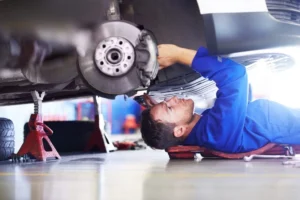
A full vehicle inspection should include checking fluid levels and quality, filters, hoses and belts, battery connections, the brake system, and interior and exterior lights. If you’re comfortable with basic maintenance, consult an auto-repair manual specific to your model. Tackling some tasks yourself can save you a considerable amount compared with a shop visit.
Alex Mercer is a senior writer at Savinly.