For lots of households, this back-to-school season means figuring out how to set up a suitable learning spot at home.
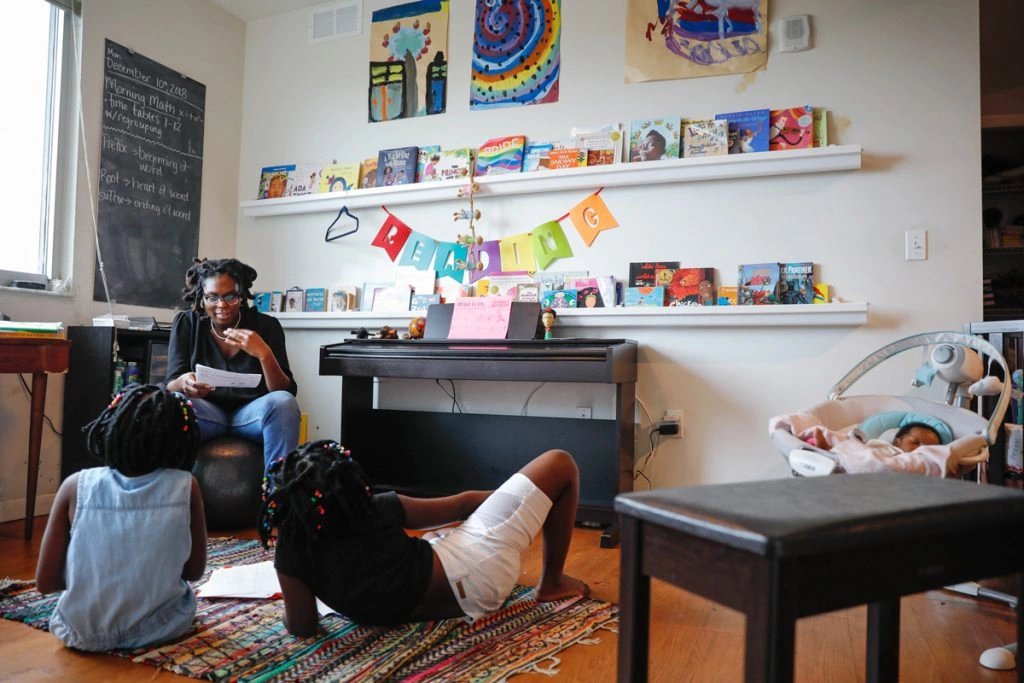
If you’ve been scrolling through Pinterest, you might assume you need a dedicated homeschool room that’s perfectly organized, brightly decorated and furnished with child-size pieces. While that’s lovely, most of us don’t have spare guest rooms to turn into a classroom. Many children will be learning at kitchen tables and in small corners of common rooms this year.
We also don’t have unlimited funds to invest in crafting an Instagram-worthy learning area.
If you want simple, low-cost fixes, below are some practical ideas for putting together a homeschool area (or just a little learning nook) without blowing your budget.
1. Check What You Already Own
Before purchasing anything, walk through your home and note what supplies you already have. In past years you might’ve bought new versions of every item on a school list, but you don’t need fresh crayons or glue sticks if they’re already in a drawer.
If you have more than one child, save money by letting them share supplies instead of buying separate sets for each student.
Also consider which furniture — tables, chairs, small desks, etc. — could serve for your homeschool setup. Think about where your kids usually do homework and whether that spot will work for laptop-based learning.
2. Look Beyond Typical Back-to-School Sales
Back-to-school promotions can yield bargains, but they aren’t the only way to save.
Lorielle Hollaway, a homeschooling parent in St. Petersburg, Florida, says she often finds lower prices on supplies a couple of weeks after classes start, when demand drops and stores are clearing inventory.
Another money-saving move is choosing generic store-brand items over pricier name brands. Discount stores like Dollar Tree or Dollar General often carry cheaper supplies than office suppliers such as Office Depot or Staples.
If friends are also prepping homeschool areas, consider buying in bulk from warehouse retailers like Costco or Sam’s Club and splitting the cost. Be sure to compare unit prices to confirm you’re actually saving.
3. Buy Pre-Owned Gear

Hollaway also uncovers bargains at thrift stores. Visit local secondhand shops for books, learning tools or even desks and chairs. Children’s consignment outlets are worth checking too.
Look for used items at garage sales or on Craigslist. If your area has a Buy Nothing group, that can be a way to score free items for your homeschool nook.
Ask family or friends with older kids if they have flashcards, puzzles or other learning aids they’d be willing to pass along.
4. Borrow Equipment from the School
If your kids will be participating in virtual classes run by their school, ask what equipment the district will supply.
Devices like laptops and tablets are often the priciest back-to-school items but essential for online learning. The good news is many school districts are providing the necessary tech.
Beyond devices, inquire about other materials you might borrow from schools, such as calculators, rulers, protractors and art supplies.
5. Use Kids’ Art as Decoration
If your children enjoy drawing and crafting, display their artwork on the walls to brighten the homeschool area. Turn creating posters or collages into an end-of-summer activity.
Washi tape is a low-cost way to add color. Use it to make an accent wall in the learning space or to embellish a desk. When you no longer need the homeschool spot, the tape peels away without damage.
Chalkboard contact paper is an affordable, temporary option instead of painting a chalkboard wall. It serves as both decor and a surface for practicing math problems or spelling words.
6. Create DIY Organization

You’ll need storage for supplies, worksheets and notebooks — especially if your dining area doubles as your homeschool space and you must tidy up before meals.
Instead of buying new organizers, repurpose items you already have around the house.
Turn empty glass jars from recycling into pencil and crayon holders. Repurpose cereal boxes as magazine or binder holders to keep notebooks and papers organized.
Larger boxes — like those from recent online orders — can corral library books or house materials for an ongoing science experiment. Wrap boxes with decorative paper or washi tape to make them attractive.
If you want more activities and ideas for keeping kids engaged at home, check out activities for kids home for simple, budget-friendly projects.
Marie Carter is a senior writer at Savinly.