Over one-third of U.S. households are occupied by renters, which means many people have landlords overseeing their homes.
The dynamic between tenants and property owners can occasionally be complicated.
Both renters and landlords possess legal rights.
Because tenant protections differ by state and locality, consider this a broad overview of common renter rights and which party — tenant or landlord — is accountable for various duties.
Basic Rights of Tenants
The fundamental entitlement is to a dwelling that is habitable, commonly referred to as the warranty of habitability.
That typically involves a unit that:
- Is safe to occupy.
- Is structurally intact.
- Has functioning utilities.
- Includes working plumbing with hot and cold water.
- Provides usable heating or cooling (subject to local rules).
- Has secure, intact doors and windows.
- Is free from rodents or other pests.
- Is equipped with functioning smoke detectors (required in some areas).
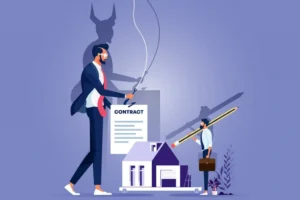
Often, a lease or rental agreement between the parties spells out many responsibilities such as rent amount and due date, late-rent penalties, and the length of tenancy.
“That warranty [of habitability] applies whether there’s a lease or not,” said Marcos Segura, staff attorney for the National Housing Law Project. All states except Arkansas have acknowledged this warranty for residential rentals.
Renters also have a right to privacy: once they rent a place, they have the lawful right to use it.
Landlords may enter only to inspect or to perform agreed-upon or necessary repairs. Entry must be during reasonable hours and with adequate notice.
“There are exceptions where you don’t have to give notice to a tenant — for imminent emergencies like a gas leak, fire, or an alarm,” Segura said.
Regarding rent, in most places a landlord cannot raise the rent during the lease term unless the lease or local law permits it. Some leases also require notice if a tenant doesn’t plan to renew at lease end.
The Accidental Landlord
The American Apartment Owners Association reports that about half of landlords aren’t large companies but individuals who own one or a handful of properties.
“There are many what we call accidental landlords — they never set out to be landlords,” said Alexandra Alvarado, director of marketing and education for AAOA. The group represents property owners ranging from single-home landlords to big management firms.
Those accidental landlords may have inherited a house or moved and decided to rent out their previous home. Alvarado said they often seek help from groups like AAOA because they’re new to renting.
“It’s ultimately in a landlord’s interest to keep tenants content. In the long term, it’s far harder to find a good replacement tenant than it is to keep a reliable tenant happy and in the unit.”
Tenant Duties Beyond Paying Rent
While landlords must supply habitable housing, tenants share responsibility for preserving the property’s condition.
Tenants are expected to:
- Pay rent as agreed in the lease or rental contract.
- Follow building and local health or housing codes.
- Keep the unit reasonably clean and maintained.
- Avoid causing damage.
- Not engage in illegal activity or permit guests to do so.
- Not use the rental for unlawful purposes.
“Normal wear and tear is acceptable — you can’t eliminate that and tenants aren’t liable for it — but they must care for the property and not intentionally damage it,” Segura explained.
Getting Repairs Done
What happens when pests invade, a faucet leaks and ruins the cabinet, or an appliance quits working?
“A benefit of renting versus owning is that the landlord typically handles maintenance, unless the tenant caused the issue,” Alvarado said, noting it can sometimes be tough to distinguish ordinary wear from actual damage.
Tenants should notify the landlord of any problems. How to contact the owner should be clear at the start of the tenancy.
“Most leases require you to report issues as soon as you notice them,” Segura said. “If you don’t, and the issue worsens, the tenant may be held responsible.”
In some rentals, especially single-family homes, tenants may be responsible for certain upkeep like lawn care.
Communicating with Technology
Alvarado noted that larger property managers frequently use online portals for maintenance requests, while smaller landlords often provide a phone number or email.
Allowing a landlord 24 to 48 hours to respond and about a week to complete non-urgent fixes is common. If the problem affects habitability, tenants should expect a speedier response. Landlords should keep tenants updated on repair progress.
Security Deposits
Renters usually pay a security deposit to cover potential damage to the property.
The landlord holds this deposit during the tenancy and must return it within a statutory timeframe after the tenant vacates.
Tenants should tell the landlord where to send the deposit refund.
If the landlord withholds some or all of the deposit, they should provide an itemized statement of deductions.
Pet Deposits
If pets are permitted, landlords often require a pet deposit and may impose limits like weight restrictions or limits on species or number. Some landlords accept cats but not dogs.
Segura said violating pet rules can be cause for eviction; landlords typically may forbid or restrict pets except trained service animals.
“A common problem is tenants not noticing a pet ban or ignoring it and hoping not to get caught. If the landlord discovers it months later, the tenant might have to give up the pet or move, so it’s best to be upfront.”
When to File Complaints or Seek Legal Advice
Tenant-landlord disputes frequently involve unpaid or late rent, security deposits, damage, or repairs.
It may be time to pursue help if you’ve notified the landlord in writing and reasonable time has passed with no action.
But don’t stop paying rent lightly. Segura said withholding rent is only appropriate in very limited situations. Laws may bar rent collection if the unit is uninhabitable, but that has a narrow legal definition.
“It should be an absolute last resort because the landlord will likely initiate eviction for nonpayment,” he said.
Should You Withhold Rent?
If you’re contemplating withholding rent or are deadlocked with your landlord, Segura recommends getting legal counsel from a private lawyer or a legal aid service.
“Eventually you’ll receive a notice demanding action — pay rent, remedy an issue, remove a pet, whatever it is. At that point, you absolutely should seek legal assistance.”
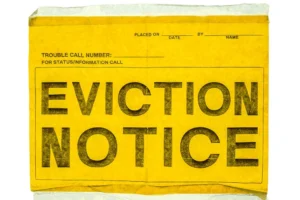
A required notice is the opening step in the legal process.
“After that notice is served, landlords will move to evict and it’s hard to dissuade them,” he added.
In nearly all instances a landlord cannot immediately evict a tenant. There is a formal eviction process, and landlords cannot lock tenants out, cut off utilities, or forcibly remove people or their possessions.
How to Safeguard Your Tenant Rights
Read the full lease and make sure you comprehend every clause, including your obligations, before signing. Ask questions if anything’s unclear.
Other ways to protect yourself include:
- Take photos: Photograph the condition of the unit when you move in, send the images to the landlord and request a signature. Repeat when you move out.
- Receipts: Keep records of all rent payments. Photograph checks or transfer confirmations. This is crucial if you pay in cash.
- Insurance: Purchase renters insurance to protect your personal items from theft or damage.
- Requests: Report problems promptly and document requests in writing. Certified mail with return receipt is an option for paper correspondence; keep email confirmations for electronic notices.
One of the best protections is maintaining open communication with your landlord from day one.
“When a problem happens, the nature of your relationship with the landlord greatly influences whether it’s handled properly or escalates into something bigger, like an eviction,” Segura cautioned.
Jenna Morales is a freelance reporter based in Florida with over 25 years of experience covering personal finance, health, travel and related topics.