A tidy home is a healthier home, right? Yet many commercial cleaners contain strong chemicals and can be pricey. While ready-made solutions are convenient, there are plenty of alternatives.
You don’t need premium brand labels to get safe, effective cleaning products for your house. Take control by crafting your own do-it-yourself cleaning supplies.
As an added perk, you’ll know exactly what’s in the products you use — and you’ll cut costs, too.
Essential Ingredients for Homemade Cleaners
There are several reliable ingredients worth keeping on hand. Most are inexpensive and easy to find. Below are some staples.
White Vinegar
Price:$2.69 for a 128 oz. bottle
White vinegar is a multipurpose cleaning agent and serves as the foundation for many DIY solutions.
Isopropyl Rubbing Alcohol 91%
Price:$2.59 for a 32 oz. bottle
Isopropyl alcohol cleans and disinfects. Higher concentrations are more potent for sanitizing.
Baking Soda
Price:$2.19 for a 3.5 lb. bag
Baking soda has countless uses for tackling different kinds of grime. It’s indispensable for homemade cleaners.
Hydrogen Peroxide (3% to 6%)
Price:95 cents for a 32 oz bottle
Hydrogen peroxide is a common disinfectant and can act as a mild bleach when needed. It’s sold in opaque containers because light causes it to break down.
Liquid Castile Soap
Price:$13.99 for a 32 oz bottle
Made from plant-based oils (often hemp), liquid Castile soap is versatile. It’s pricier than many other items on the list but very useful.
Essential Oils
Price:$15.99 for a variety pack of four 2.5 oz bottles
Essential oils aren’t required, but they add pleasant scents. Many DIY ingredients don’t smell great, so a few drops of lavender or sweet orange can help.
Bleach
Price:$3.99 for a 77 oz bottle
Bleach is powerful but a little goes a long way for disinfecting and whitening. It’s also usually inexpensive.
Spray Bottles
Price:$3.00 for a 16 oz bottle
Choose heavy-duty spray bottles when possible, since some cleaning mixtures can degrade flimsy plastics.
8 DIY Cleaner Recipes
Now that you know what to stock, here are recipes for cleaners to maintain every area of your home.
1. Disinfecting Wipes
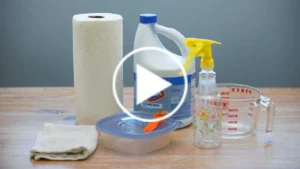
With rubbing alcohol, you can create reusable disinfecting wipes for countertops, doorknobs and other high-touch surfaces. This method is adapted from Better Homes and Gardens.
Ingredients:
- Rubbing alcohol at a minimum of 70%
- Paper towels or cloth rags
- Airtight containers not used for food or drinks (large enough for the cloths)
Clearly mark the containers to avoid mix-ups. Pour the alcohol into the container and let the cloths soak for at least five minutes. Add several drops of essential oil for fragrance if desired.
2. Glass and Mirror Cleaner

Keep windows and mirrors gleaming with this simple mix inspired by Good Housekeeping.
Ingredients:
- 2 cups water
- ½ cup white or apple cider vinegar
- ¼ cup rubbing alcohol (70% or higher)
- 1–2 drops orange essential oil (optional)
- Spray bottle
Combine everything in a spray bottle. To clean glass surfaces, spray onto a soft cloth or paper towel and wipe until streak-free.
3. Heavy-Duty Grease Cleaner
This potent mix will remove grease from range hoods, grills and similar surfaces (method adapted from Good Housekeeping).
Ingredients:
- ½ cup soapy ammonia (store-bought or homemade)
- One-gallon container
- Water
Pour the soapy ammonia into the gallon container and top it off with water. The solution is ready to use — dip a mop or sponge, apply to greasy areas, then rinse thoroughly with clean water.
Wear gloves while preparing and using this cleaner, and avoid inhaling fumes. Rinse and dry sponges or mops completely before reusing them.
4. All-Purpose Cleaner and Deodorizer
Use this straightforward blend to clean countertops, appliances and even refrigerators (recipe based on a Good Housekeeping suggestion).
Ingredients:
- 4 tablespoons baking soda
- 1 quart warm water
- A mixing container
Stir the baking soda into the warm water. Moisten a sponge or cloth with the mixture and clean surfaces as needed.
5. Everyday Toilet Cleaner

This recipe uses the antibacterial traits of tea tree oil to sanitize the toilet.
Ingredients:
- ½ cup baking soda
- 1 cup distilled white vinegar
- ½ teaspoon tea tree essential oil
Place the vinegar and tea tree oil into a spray bottle and mist the entire toilet — seat, lid, handle and bowl. Let sit for 5 minutes. Sprinkle the baking soda into the bowl and scrub with a brush. Wipe the exterior surfaces with a cloth to remove residue.
6. Intensive Toilet Cleaner
For tough stains and mineral buildup, try this deeper-cleaning mixture.
Ingredients:
- ¾ cup borax
- 1 cup white vinegar
- 10 drops lavender essential oil
- 5 drops lemon essential oil
Combine the ingredients. Flush the toilet to wet the bowl, then pour in the mixture. Let it sit for several hours or overnight for best results; avoid using the toilet during this time. After soaking, scrub the bowl and flush to rinse away the cleaner.
7. Homemade Dish Soap
If you wash dishes by hand, a homemade dish soap can be handy. There are many variations, but here’s a simple option from the Fulfilled Homemaking blog that uses biodegradable Castile soap.
- 1 cup liquid Castile soap
- A few drops of essential oil
- ¼ cup water
This mixture won’t outperform commercial dish detergents on heavily soiled pots and pans, but it works fine for everyday washing.
8. Reusable Wet Floor Wipes
This recipe from Live Simply is perfect for quick spot cleans with a sweeper — without the recurring expense of disposable wet pads.
- 2 cups water
- ¼ cup white vinegar
- 2 tablespoons rubbing alcohol
- A few drops of essential oil
Roll or stack washcloths and place them in a jar. Mix the vinegar solution and pour it over the cloths, pressing them down so they absorb the liquid. Pull one out when you need to touch up the floors.
Jordan Hale is a contributor to Savinly. Contributor Maya Perez, former staff writer Erin Bell and former editor Dana Sitar also helped with this article.