Unlike shopping or attractions, food is an absolute essential. However, dining out can gnaw away at your travel funds. What’s a hungry traveler to do?
Follow these eight guidelines, and you’ll come home with a satisfied stomach and extra cash in your pocket.
1.Reserve Lodging That Includes a Kitchen or Meals
This one’s obvious: booking accommodation with a kitchen means you won’t need to eat every meal out. Instead, you can purchase groceries and prepare straightforward, cost-effective dishes. You can also stash healthy snacks like apples and carrots in the fridge. To locate apartments or hostels with kitchens, try Airbnb or Hostelworld.
If you prefer someone else to handle the cooking, there are alternatives to staying in hotels. Consider a monastery stay, language school or cultural homestay. These lodging choices not only help you become more immersed in local life, they’ll also trim your expenses significantly.
2.Join a Food Tour
This is one of the first things I do when exploring a new city. Yes, food tours cost money, but the insight you gain more than pays for itself. (Plus, they’re a ton of fun!) Food tours are especially handy when you’re in a new country and unsure of the local specialties.
If it’s a reputable food tour (check reviews on Yelp or TripAdvisor), your guide will point out many neighborhood gems you might never discover alone. After the tour, you’ll know where to go, what to order and about how much it should cost — which will save you money while you’re there.
3.Eat Where the Locals Dine
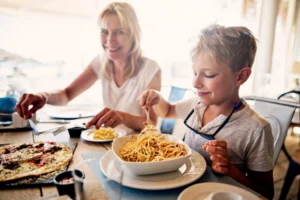
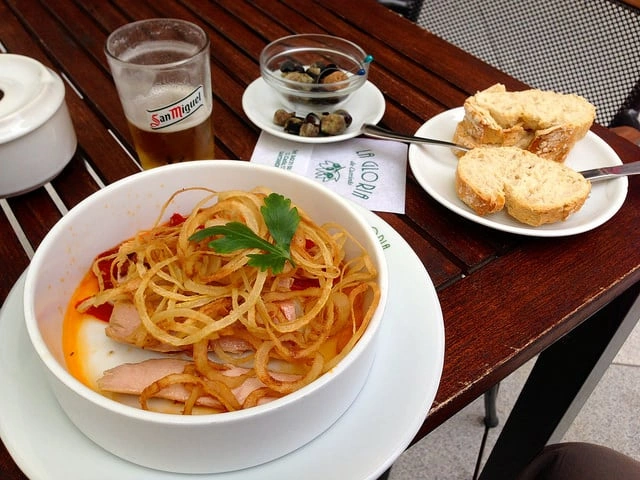
The cardinal rule for eating on the road: avoid main streets and tourist traps. That’s where you’ll find low-quality and overpriced food. Do everything you can to learn where the locals eat — and join them.
Good choices include farmers’ markets, street vendors (often the best!), or neighborhood fast-food outlets. You can also try EatWith; while not always cheap, this creative meal-sharing service lets you enjoy a home-cooked dinner hosted by a local.
4.Head to the Student Quarter
Which demographic is famous for being cash-strapped and not keen on cooking? College students.
For inexpensive eats, head to the area around the university; you’ll likely find wallet-friendly restaurants and great bargains. In some places (think parts of Europe), you might even be able to eat in the university cafeteria. It won’t be haute cuisine, but it willbe affordable.
5.Pack a Picnic
While picnics are lovely at home, I enjoy them even more when I’m traveling. They let you spend time outside and people-watch — for a fraction of the price of a hip café. All you need is some bread, cheese and fruit (or local equivalents), and you’ve got a satisfying meal to enjoy in the park.
The bonus? In many countries there aren’t strict open-container rules, so you can bring along some wine or beer — you are on vacation, after all!
6.Take Advantage of Happy Hour
Lots of people hit happy hour at home, but abandon the habit while traveling. (Maybe because they’re not working, they think it’s unnecessary?)
Although not every country has the happy hour tradition, it’s alive in the United States. Appetizers are frequently deeply reduced — and sometimes free with a drink purchase. To find good happy hour bargains, try an app like Happy Hours or Happy Hour Finder.
7.Carry Your Own Snacks
Whether I’m on the road or at home, I always have snacks in my bag. That keeps me from getting ravenous and splurging on pricey food I don’t really want.
Travel often throws unexpected delays your way, and you might not eat when planned. Some nuts, granola bars or dried fruit are all it takes to keep you going when the museum line is far longer than expected.
8.Set Aside One Special Meal
That said, I still suggest budgeting for one memorable meal at your destination. Note I said budget, not just eat impulsively. Research to determine which place deserves your hard-earned money. (Make sure it highlights the local cuisine — you don’t need to be eating Mexican food in Thailand!)
I prefer to book this meal for the final night of my trip. Having this special occasion to look forward to makes it easier to save for the rest of the journey — and anticipation makes the meal taste even better!
Your Turn: How do you keep food costs down while traveling? Any tips we overlooked?