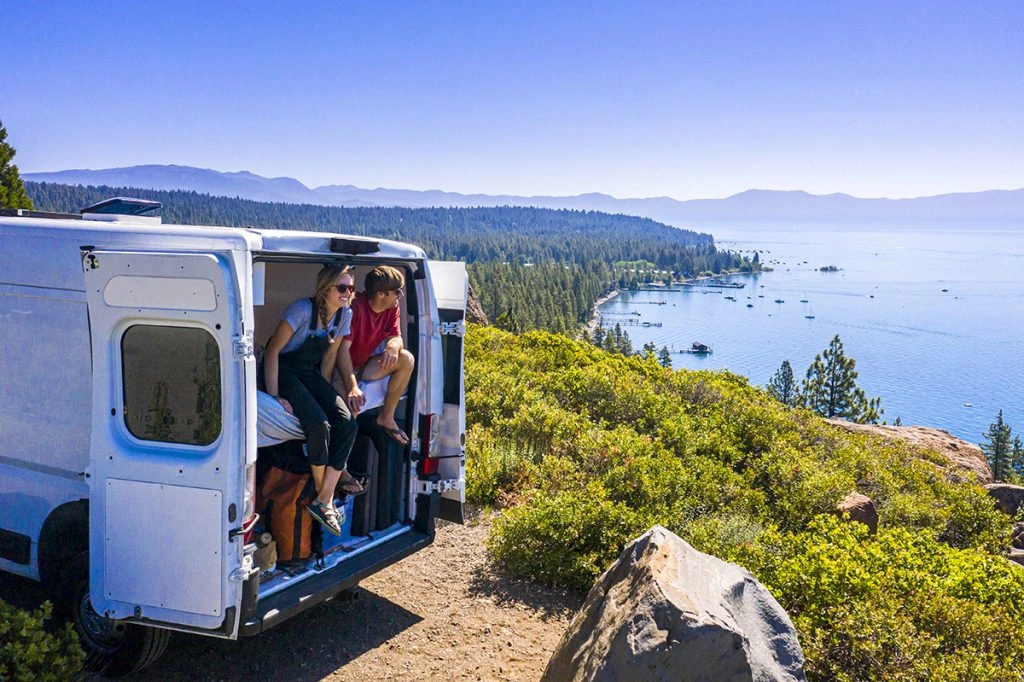
What you probably know about RV travel: it’s an affordable, flexible way to see the country and can even serve as a low-cost option for full-time living.
What you might not realize: RV expenses can accumulate quickly, sometimes surpassing the cost of driving plus hotel stays, or even the ongoing expenses of a conventional home.
Below, we’ll break down the main costs tied to RV life, and share practical tips to help lower them.
As someone who’s spent a lot of time traveling in an RV and has lived in a travel trailer, I understand how RV expenses can strain a budget. Here’s what experience has taught me.
The RV Itself
The most obvious prerequisite for RVing is… an RV. Depending on how you obtain it, that initial outlay can be substantial.
Beginners often opt to rent first, but if you fall for the lifestyle, be aware that even modest motorhomes can run into the tens of thousands of dollars. Ultra-luxe models can top $1 million. (Yes — really.)
Travel trailers generally cost less than comparable motorhomes at similar quality levels, from entry models to premium rigs. Remember, though, you’ll need a tow vehicle capable of hauling the trailer.

Back to rentals: expect nightly rates of $250 and up, which can easily top the cost of a mid-range hotel. Extra charges for mileage and insurance can push the final tab even higher.
Check out peer-to-peer RV rental platforms like RVshare or Outdoorsy, where you rent directly from private owners — often at lower rates. Think of it as Airbnb for RVs.
You might also score bargain rentals through RV relocation offers, where you act as a transport driver for a rental company moving their vehicles to areas of demand. In exchange, you get to use the RV for a fraction of the usual price — but you’ll be constrained by the company’s schedule and route.
If you decide to buy, shop carefully and consider pre-owned options. RV stands for recreational vehicle, and while financing can resemble a mortgage more than an auto loan, you’re unlikely to build significant equity. Avoid rigs that are excessively old (maintenance becomes a problem), but a model three to five years old can save a lot.

Fuel
The charm of RVing is obvious: you carry your home comforts with you, including the kitchen sink.
But all that space and gear adds weight, and aside from the smallest trailers, most RVs are heavy on fuel consumption. For example, the largest Class A motorhomes might only achieve 4–6 miles per gallon.
To economize at the pump, choose destinations closer to home or limit your trip to a single area. You’ll not only cut fuel costs but also reduce driving time.
Campsite Fees
Many people imagine pulling off the highway and sleeping wherever they like, but that’s usually not realistic. While some rest areas and big-box stores permit overnight parking, many do not. Plus, do you really want to sleep under bright security lights?
Full-service campgrounds — the ones offering hookups for electricity, water and sewer — can be pricey, especially in popular spots. Malibu Beach is an extreme case, but during peak times, basic sites can run about $100 per night, with premium spots reaching $230. (That’s in addition to your rental cost and fuel.)

That said, you can find resort-style parks charging $35 to $50 per night, often with discounts for veterans, active-duty military or long stays. Camping membership clubs can also unlock reduced rates at many campgrounds.
State parks often provide RV sites with hookups at far lower prices than commercial parks (though cellular reception may be spotty).
There are also opportunities for free or very low-cost camping, but you’ll be roughing it a bit. On BLM-managed land and in certain other public areas, dispersed camping — known as “boondocking” or “dry camping” — lets you camp without hookups.
Always verify that a picturesque spot is actually legal to park in and not private property. Signage isn’t always present, and parking on private land can get you moved along or ticketed. Helpful resources for locating spots include Campendium and FreeCampsites.net.
Maintenance and Storage
If you own an RV, budget for upkeep — and storage if you don’t have space at home. In Portland, Oregon, I pay $75 monthly to keep my travel trailer in an uncovered lot; more secure covered storage can approach $200.
Maintenance covers both the automotive and household systems in an RV, and those need routine attention. DIY work can save money but is time-consuming; even minor repairs at a shop can be expensive.
It helps to have a plan for storage and the willingness to learn basic maintenance. There’s usually a YouTube guide for most RV repair tasks.
Ultimately, the good news about RVing is its flexibility: costs can be adjusted to fit a wide range of budgets — you might just have to rethink which RV you pick, where you travel and how you camp along the way.
Alex Moreno’s writing has appeared at Fodor’s, Yahoo, SELF, The Huffington Post, The Motley Fool and other publications. Discover more at www.alexmoreno.com.