Amazon might not be the first destination that comes to mind when you want to shop from small enterprises, but that perception has shifted over recent years.
The e-commerce giant has opened its doors to many third-party sellers, which can be a blessing if you’re a Prime subscriber who appreciates convenient shipping and service.
But how can you tell when an item is actually sold by a small business? How do you confirm whether that seller operates out of the United States? And what steps can you take to ensure the bulk of your payment goes to the small-business proprietor?
Below are several checkpoints to help you shop small while using the internet’s largest marketplace.
Ways to Verify You’re Purchasing From Small Businesses on Amazon
There are a few methods to figure out who you’re buying from and whether your purchase truly supports a small business.
Find the Seller and Their Location
The first thing to inspect is the seller’s identity. You’ll want to confirm the seller is based in the U.S. so their products fall under domestic safety and regulatory standards.
On the product page, look for links that reveal the seller’s details. These links often appear below the product description or beneath the “Add to Cart” and “Buy Now” buttons on the right. You’re looking for wording such as “Sold by _____,” which will display the seller’s name.
Click through to the seller’s storefront to see the business name and address, including its location. If the listing shows a U.S. address, you can move on to the next verification steps.
Look for a Website or Social Media Footprint
Not every small-business owner is a digital native, but if they sell goods online, they commonly have a website, online reviews or some kind of social media presence.
A quick web search often turns up a company website, phone number and physical address. These details may also appear in a site’s footer or in a “Contact Us” section.
If the site offers a store locator, that can be an additional tool to corroborate the business’s existence.
If there’s no standalone website, try searching for the business on Facebook. Many small vendors maintain a Facebook page where they list contact details, including address and phone number. (They’re less likely to have the same level of contact information on other social networks.)
Check Reviews Outside of Amazon
Amazon’s review system is intended to be authentic; the company warns and pursues people who try to manipulate ratings. Still, deceptive review practices persist.
That means you could stumble on a five-star item that hasn’t been properly vetted for safety, or a foreign seller pretending to be a U.S.-based small business. Or you might simply order from a legitimate shop with poor customer service.
To avoid unpleasant surprises, search for the business on independent review platforms like Yelp or the Better Business Bureau. Checking several review sources helps reveal patterns that might signal problems. If the company has a poor BBB grade or recurring complaints about faulty products on Yelp, consider skipping the purchase.
Verify Business Registration
Most companies must be registered with their state, though exact requirements differ. Finding a valid business registration adds another layer of confirmation about legitimacy.
You can often find the official business name on the Amazon seller page or in the privacy policy on the company’s website. U.S. small businesses frequently use suffixes like “LLC” (limited liability company). Be sure to note the full official name — including any suffixes — so you can accurately search state records.
Next, use your state’s searchable business registration database, typically maintained by the Secretary of State (SoS). A simple query like “[your state] SoS business registration search” should get you to the right resource.
Search the state registry for the business. If a record appears, click through to compare the listed address with the one shown on Amazon. A match indicates the state filing checks out.
Consult the Consumer Product Safety Commission
One benefit of buying from a U.S.-registered small business is the ability to track any domestic safety violations. To confirm a product hasn’t been recalled, consult the Consumer Product Safety Commission (CPSC)’s recall database.
Other Ways to Support Small Businesses Besides Amazon
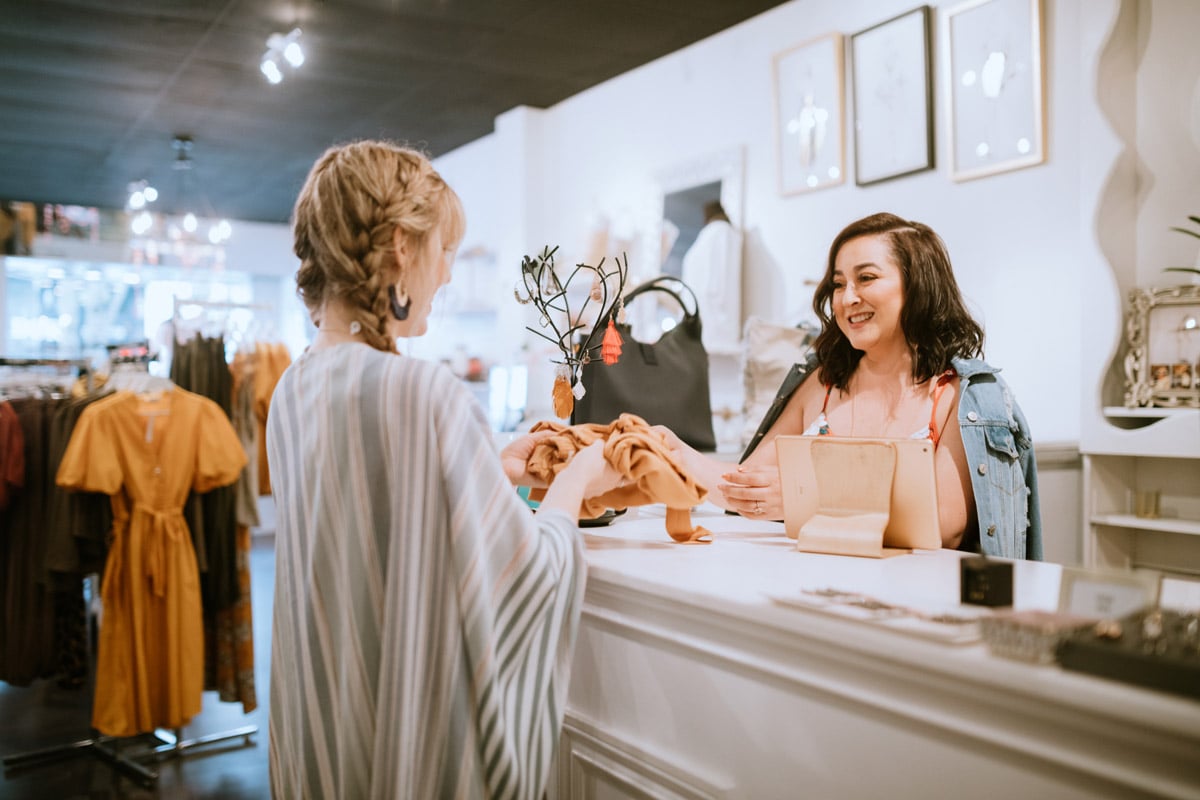
If you want to back small businesses but would rather not do an extensive online investigation to confirm a seller’s legitimacy, there are easier alternatives.
Purchase Directly From the Small Business
Amazon levies fees for listing and selling, which reduce the profit small businesses take home. If you’ve already vetted a seller, consider buying straight from their website or storefront.
Often, prices are lower when you order directly from the maker, and that can hold true even after paying for shipping.
Shop at a Big-Box Retailer
Though many people think of Amazon as a big-box option, it operates differently from traditional retailers. If a direct purchase isn’t feasible, the product might be available at brick-and-mortar competitors like Target or Walmart.
These retailers often enforce stricter vetting for third-party vendors listed on their sites, which can give you more confidence while still supporting the same small business.
Brynne Conroy is a contributor to Savinly.