People are paying more attention than ever to washing hands, avoiding touching their faces and disinfecting commonly touched surfaces.
There’s still much we don’t know about the novel coronavirus, but research indicates the virus can survive on certain surfaces for hours and transmits easily. That means giving extra attention to frequently handled areas in your home — door handles, refrigerator pulls, faucets and toilet levers, for example.
To keep your home safe and reduce germs, you’ll need to both clean and disinfect these high-touch spots. Cleaning removes dust, crumbs and visible grime with a soft cloth; disinfecting is what actually kills viruses and bacteria on these surfaces.
Disinfectant wipes may be scarce right now, but you can make an effective homemade disinfectant instead of buying a costly brand-name product. Here’s how to prepare your own (and how to do it safely).
How to Make DIY Disinfectant
To prepare an effective homemade disinfectant, you’ll need one of the following: bleach, 70% isopropyl alcohol, or 3% hydrogen peroxide.
Bleach-Based Disinfectant
Many commercial disinfectants use bleach as their active ingredient, and household bleach is effective when diluted properly. The Centers for Disease Control and Prevention recommends this ratio:
- 1 quart of water
- 3 teaspoons of bleach
Combine the two and apply to the surface you wish to disinfect. Allow it to remain wet for at least 1 minute before wiping it off.
Note that the bleach solution retains its disinfecting power for only about 24 hours.
Alcohol-Based Disinfectant
If bleach is unavailable, you can make a surface disinfectant with alcohol. The CDC advises using at least 70% isopropyl alcohol as an effective sanitizer for hands and it also works well for cleaning surfaces around the home.
DIY Hand Sanitizer
When making homemade hand sanitizer, you must use 70% isopropyl alcohol — bleach is too harsh for skin and should never be applied to hands. Mix the following:
- 3 parts 70% isopropyl alcohol
- 1 part aloe vera gel
Use this mixture right after preparing it. Place it in a small container and carry it with you for sanitizing hands while out and about.
How to Use DIY Disinfectant
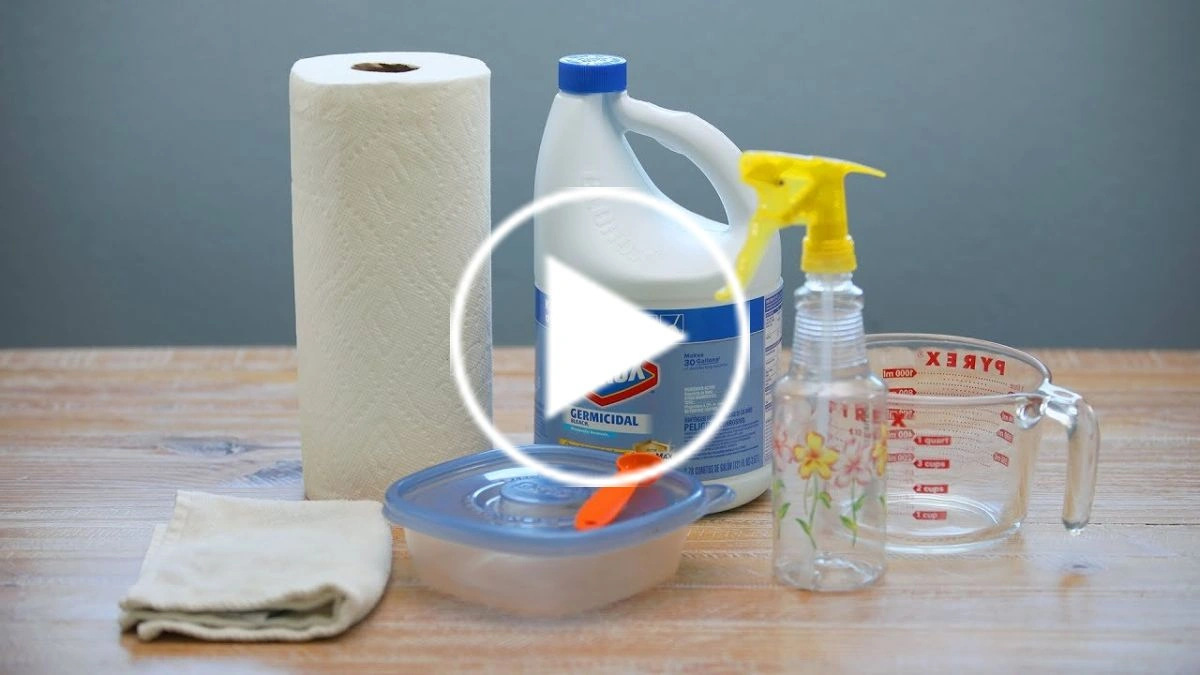
After mixing your disinfectant, you can put it into a spray bottle, make disposable wipes or create reusable wipes.
DIY Disinfectant Spray
What you’ll need:
- Homemade disinfectant solution
- Spray bottle
- Paper towels or cleaning cloths/rags
Pour your solution into the spray bottle and secure the nozzle. Use it like a store-bought disinfectant: spray the area and then wipe it down with a cloth or paper towel.
DIY Disinfectant Wipes
What you’ll need:
- Homemade disinfectant solution
- Paper towel roll
- Airtight container
Place paper towels inside the airtight container. Depending on the container size, you can fit the whole roll or tear sheets and stack them. Pour the disinfectant over the towels and let them soak for at least five minutes.
DIY Reusable Wipes
What you’ll need:
- Homemade disinfectant solution
- Rags, cloths or cut-up towels
- Airtight container
Put your chosen fabric pieces into the airtight container and cover with the disinfectant, allowing them to absorb the solution (at least five minutes). After using a reusable wipe to disinfect a surface, launder it with your regular wash so it’s ready to be used again once clean.
Frequently Asked Questions About DIY Disinfectant
Can I Use Natural Cleaners?
Short answer: no. Vinegar or essential oil–based cleaners will not eliminate the coronavirus from surfaces. Only CDC-approved solutions containing bleach or isopropyl alcohol are proven to disinfect surfaces and reduce the virus.
Can I Use DIY Disinfectant on My Smartphone?
Always consult your phone maker’s guidance before using any chemical on your device.
Generally, it’s acceptable to clean your phone with an isopropyl alcohol–based disinfectant. Apple has stated that bleach-based disinfecting wipes (such as Clorox wipes) — or your homemade equivalent — can be used on iPhones.
Whatever disinfectant you choose, avoid spraying it directly onto the device. Instead, apply it to a cloth or use a wipe, then gently clean your phone.
Should I Take Safety Precautions?
Yes. Wear disposable gloves when working with a bleach-based solution to protect your skin. If using a spray, handle it carefully to avoid contact with clothing, bare skin or eyes. If you get a cleaner in your eyes or ingest any of it, contact Poison Control at 800-222-1222.
Keep all cleaning products — homemade or commercial — out of reach of children and pets. If you disinfect children’s toys, rinse them thoroughly with warm water after disinfecting and let them air dry before letting kids play with them again.
Never mix bleach with anything other than water. Combining bleach with other chemicals can trigger dangerous reactions and cause severe harm.
Also remember bleach is harsh and can fade fabrics or damage certain surfaces. It’s generally fine for kitchen and bathroom fixtures and door hardware, but avoid using it on porous items like upholstered furniture.
During the pandemic, you can also save money by crafting your own face coverings from materials you likely already have at home.
Alex Martinez is a contributor to Savinly.