More than ever, I’ve found myself returning to treasured family recipes during the pandemic, both for solace and practicality. There is a lot to learn from earlier generations who knew how to coax flavor and nourishment from basic ingredients and craft economical meals that make every dollar count.
I set out to find other heirloom recipes that are providing comfort and helping families tighten their food budgets.
As with many family recipes, the measurements below are approximate, so if you try these dishes at home, be sure to taste as you go.
Grandma Litowich’s Chicken Soup
For our family, true comfort food equals chicken soup, and this version has graced our holiday table since at least the early 1900s.
Though straightforward, this soup delivers deep flavor. My grandmother loved cooking, and when she passed, my aunt compiled a cookbook of her recipes so we could all keep enjoying them.
| Ingredients (makes about 10 servings) |
| 1 whole chicken, cut into pieces |
| 3-4 large carrots, cut into chunks |
| 3-4 celery stalks, cut into chunks |
| 1 medium onion, peeled |
| 1 medium tomato |
| 1 handful salt |
Directions:
Put every ingredient into a large soup pot and cover with water. Bring to a boil uncovered and skim off any dark froth. Cover the pot and keep it at a gentle boil for 3–4 hours. The tomato should break down completely and the chicken become very tender.
When the chicken is falling-apart tender, strain the broth into another pot and separate the vegetables from the chicken as best you can. Once cooled, pick out bones and connective tissue from the meat. Serve with egg noodles or matzah balls if you like.
Reyes-Gonzales Pork Tamales

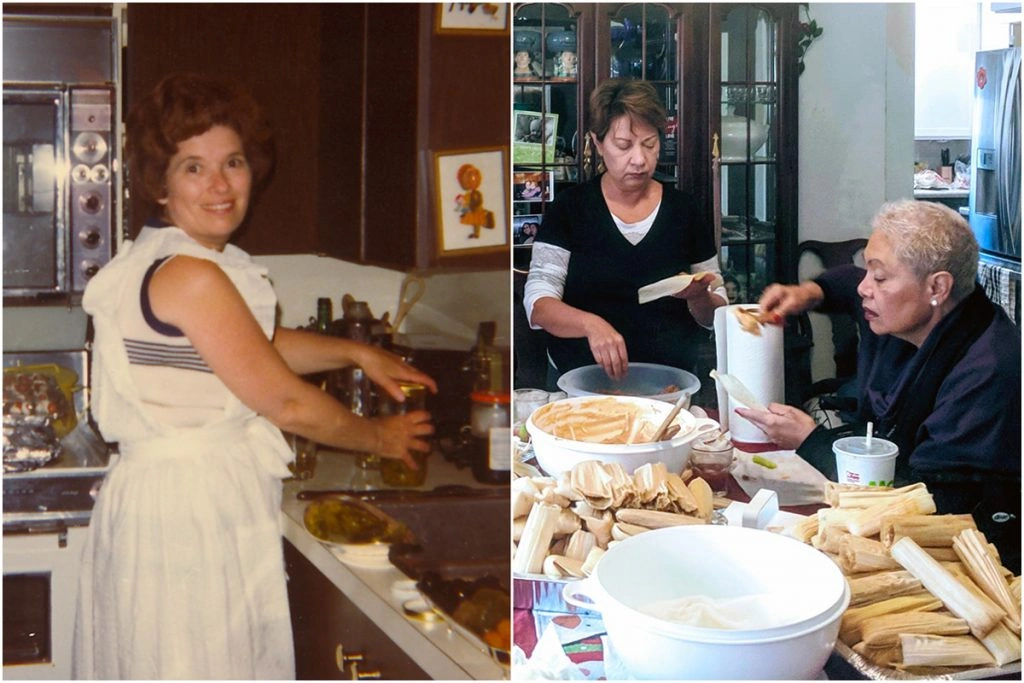
The chili, stewed pork and garlic notes of Sonora, Mexico, filled Dani Reyes-Acosta’s childhood. She keeps that culinary heritage alive through the ritual of assembling ingredients for her family’s pork tamales.
Tamales are at their best when made with loved ones. If you can’t gather in person right now, host a tamale-making party over Zoom!
Ingredients
- 5 lbs. pork butt
- 1 orange, sliced
- 1 lemon, sliced
- 8–9 garlic cloves, smashed
- 2–3 bay leaves (laurel)
- Approx. 1 tsp California (anaheim) chili powder, to taste
- Approx. 4 lbs Masa Harina
- 48 corn husk tamale wrappers (Hojas)
- Salt and pepper, to taste
This batch yields roughly 48 tamales.
Directions
In a large bowl, combine the masa harina (a savory corn flour), some lard, a touch of chili and salt. Mix until the masa has absorbed the fat. Pro tip: if it’s sticky, keep kneading!
Put the pork, orange, lemon, garlic and bay leaves into a slow cooker and add enough water to just cover the meat. Cook on low for 7–10 hours until the meat falls apart.
When done, transfer the meat and some cooking juices to a large saucepan. Skim off and reserve the rendered lard in a separate bowl. Add chili powder, salt and pepper to the saucepan and simmer until most of the liquid reduces.
Fill a big pot with water and soak about half the dried corn husks to rehydrate them. When they’re pliable (around 30 minutes), remove, pat dry and lay them on a clean towel. Discard or set aside any husks that are too small or frayed; once dry, shred those into “strings” to tie tamales.
Place a rehydrated husk on a flat surface and spread about 1/4 cup of masa onto it in a rectangle using damp fingers.
Add 1 tablespoon of pork filling to the center of the masa. Fold the husk vertically in half, then fold again so the masa encloses the filling; pinch lightly if needed. Continue folding to form a cylinder and fold down the thin top end to close one side. The opposite end stays open.
Put 2 cups of water in a stockpot over medium heat. Arrange tamales in a steamer basket or strainer, cover with a clean damp cotton cloth, and steam with the pot covered for 30–40 minutes, until the masa pulls away from the husks easily.
Betty’s Oven-Fried Chicken
Is there anything more satisfying than a perfectly cooked piece of fried chicken?
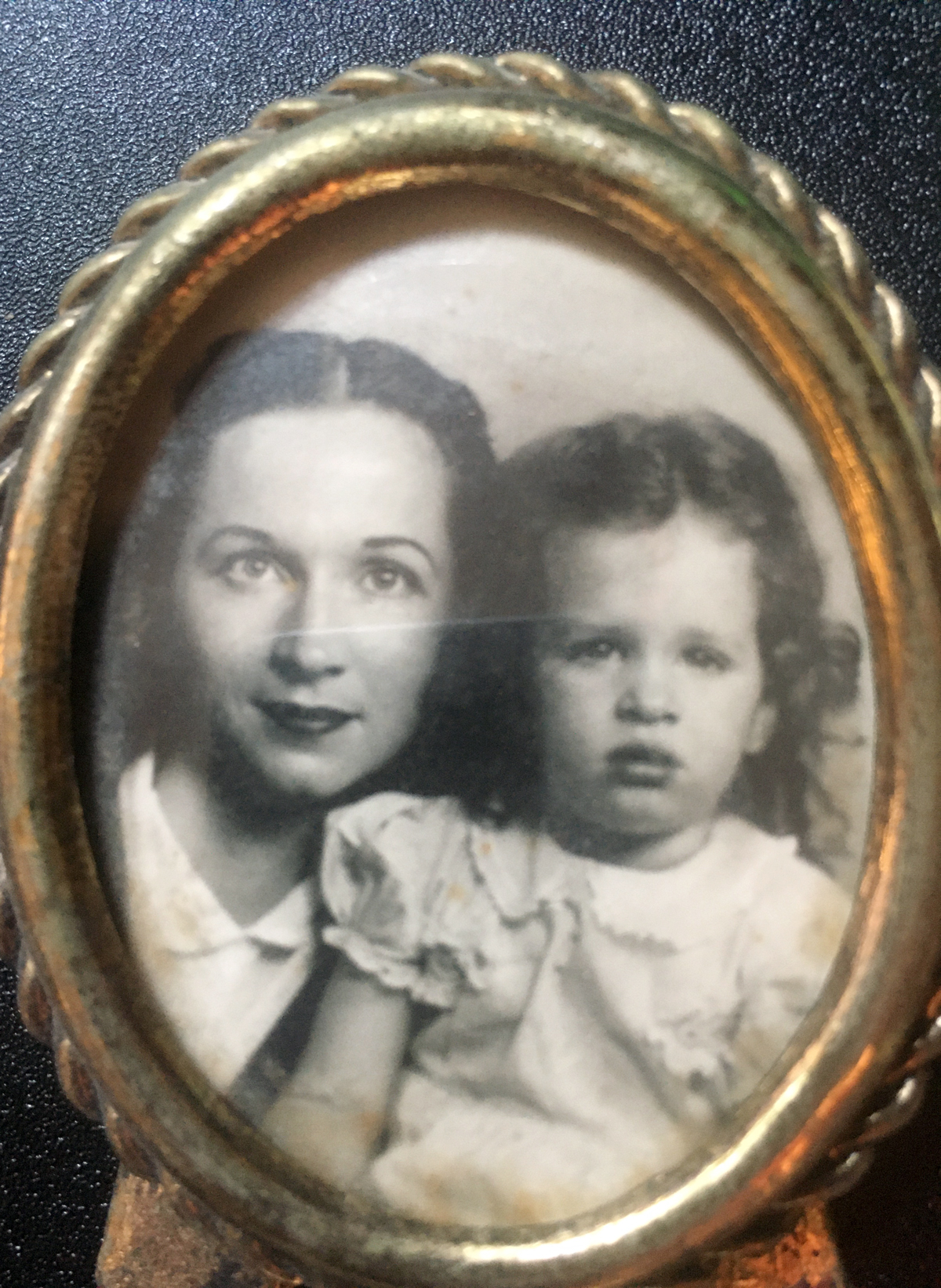
Beloved across the Reid family, Betty Talbert’s oven-fried chicken is a unifying dish. Samantha Reid Aviña and her family have tweaked the recipe over time — Aviña adds more herbs and spices to the flour mix while her dad and sister work on vegetables to complement the gravy, chicken and rice — but the familiar, comforting Southern flavors passed down over generations remain the same.
Ingredients
- 1 whole chicken, cut into pieces
- 1 cup all-purpose flour
- Salt, to taste
- Black pepper, to taste
- Dash(es) cayenne pepper, optional
- Half stick butter (more if needed)
- 1 cup long-grain white rice
Directions
Preheat oven to 375°F. Line a baking sheet with foil or grease a large casserole dish. Arrange chicken pieces so they don’t touch or overlap.
Put the flour into a brown paper lunch sack (or use a Ziploc bag as a modern substitute). Add salt, black pepper and cayenne to the flour and shake the bag to combine.
Place a piece of chicken in the bag, shake to coat, then lay it on the baking sheet or greased dish. Repeat for all pieces, adding more flour and seasoning as needed.
Top each piece with a small pat of butter and bake until a meat thermometer reads 160–165°F. Drumsticks and thighs usually take 35–40 minutes; breasts may need 45 minutes or longer. Do not flip the chicken, or the coating won’t crisp.
The chicken is ready when the skin is crisp and juices run clear. Serve with fluffy white rice and gravy (recipe below).
Extra Credit: Gravy!
Make gravy using the pan drippings by pouring them into a skillet and bringing to a simmer. Stir in sifted flour to form a roux, using slightly less flour than fat by volume. Whisk until smooth and lump-free.
Add broth or water gradually to thin the gravy, whisking until you reach the desired consistency. If the gravy tastes floury, add more broth. Season with salt and pepper, and stir in 2 tablespoons of milk or cream if you like.
Restivo Family Fagiolini all’uccelletto & Fettunta

Florentine roots bring certain prides: a local dialect, an appreciation for simple country living in Tuscany, and the distinctive flavors of Florentine cooking.
Before his grandmother passed, Michael Restivo and the family gathered her most-loved recipes into a family cookbook so they could continue to savor her dishes and honor her memory for generations.
This straightforward yet savory stew and accompanying bread make a lovely Sunday afternoon meal in the backyard.
Ingredients: Fagiolini all’uccelletto
- 1 can white beans (navy, cannellini, or great northern)
- 2 uncooked Italian sausages (one spicy, one sweet), chopped
- 1 small white onion, diced
- 3–4 garlic cloves, chopped
- 1 can strained or pureed tomatoes
- 1 tbsp fresh sage
- 1 tbsp fresh rosemary
- 1 tbsp fresh thyme
- 2 bay leaves
- Crushed red pepper, to taste
- Salt and pepper, to taste
Directions
Heat olive oil over medium-high and add the diced onion. Cook until translucent and soft. Add the garlic and sauté for 1–2 minutes until fragrant and lightly golden.
Add the chopped sausage and red pepper flakes to taste, stirring to combine. Season with salt and pepper.
When the sausage is nearly cooked through, add the canned beans with their liquid and bring to a simmer.
Stir in the tomato puree and simmer. Add sage, rosemary, thyme and bay leaves. Let the pot simmer for 30 minutes to an hour over medium heat until it reduces to a thick stew, stirring occasionally. Adjust salt and pepper as needed. Serve warm.
Ingredients: Fettunta
- Crusty rustic bread (sourdough or ciabatta)
- ½ cup extra virgin olive oil
- 1 garlic clove
- Salt and pepper, to taste
Directions
Warm a pan with the olive oil until it’s shimmering over high heat.
Place the bread slices in the pan and fry about 1–2 minutes per side until golden brown.
Remove the crisp bread from the pan, rub a garlic clove roughly over the surface, drizzle with olive oil, and serve.
Oven-Roasted Gochujang Korean Chicken

One of Sarah Hwang’s fondest childhood memories is sitting beside her grandmother, Gui Im Moon, on the kitchen floor, snacking on kimchi with rice while her grandmother prepared the fermented cabbage.
This oven-roasted chicken is rich in flavor and steeped in family tradition.
Ingredients
- 10–12 chicken drumsticks
- 1 cup gochujang
- ¼ cup soy sauce
- ¼ cup mirin
- 1 tbsp sesame oil
- 2 tbsp sugar
- 3 tbsp minced garlic
- 1 tbsp minced ginger
- 1 onion
- Salt and pepper, to taste
Directions
Make 2–3 deep slashes in each drumstick with a knife and season with salt and pepper.
In a large bowl, whisk together all ingredients except the onion until it resembles a thick barbecue-style sauce. If the mixture is too thick, add another tablespoon of soy sauce.
Work in batches to coat a few drumsticks at a time, ensuring each piece is well covered. When all drumsticks are coated, add sliced onions to the bowl, toss once more, then cover and refrigerate to marinate for 6–8 hours.
Preheat the oven to 375°F (or 350°F for convection). Arrange the chicken on a foil-lined baking tray and bake for 45–55 minutes, flipping halfway through.
Maun Family Irish Soda Bread

If you’re among the many who dove into bread baking during quarantine, add this Maun family Irish soda bread to your list. The recipe journeyed from Ireland around the turn of the 20th century to Brooklyn and through generations of my fiancé’s family.
Irish soda bread is a St. Patrick’s Day favorite, and there’s often a loaf in the freezer for snacks year-round. The recipe, handed to my mother-in-law on the eve of her marriage, is a celebration of family, tradition and love.
Ingredients
- 4 ½ cups flour
- 4 tsp baking powder
- 1 tsp salt
- 2 cups buttermilk
- 1 cup raisins or currants
- 2 tbsp caraway seeds
- 3 tbsp sugar
Directions
In a large bowl, combine all dry ingredients. Stir in the buttermilk and mix until combined. Flour your hands and knead briefly for a few minutes. Place the dough into a greased 9” round pan and score a shallow “+” on top with a knife. Bake at 350°F for 45 minutes to 1 hour, until golden brown. Brush with melted butter before serving.
Leftover loaves can be frozen; stale slices warm up well in the oven or microwave.
Sophie Goodman is a contributor to Savinly.