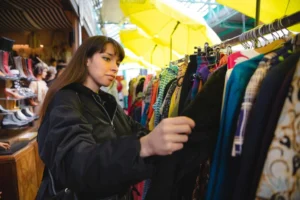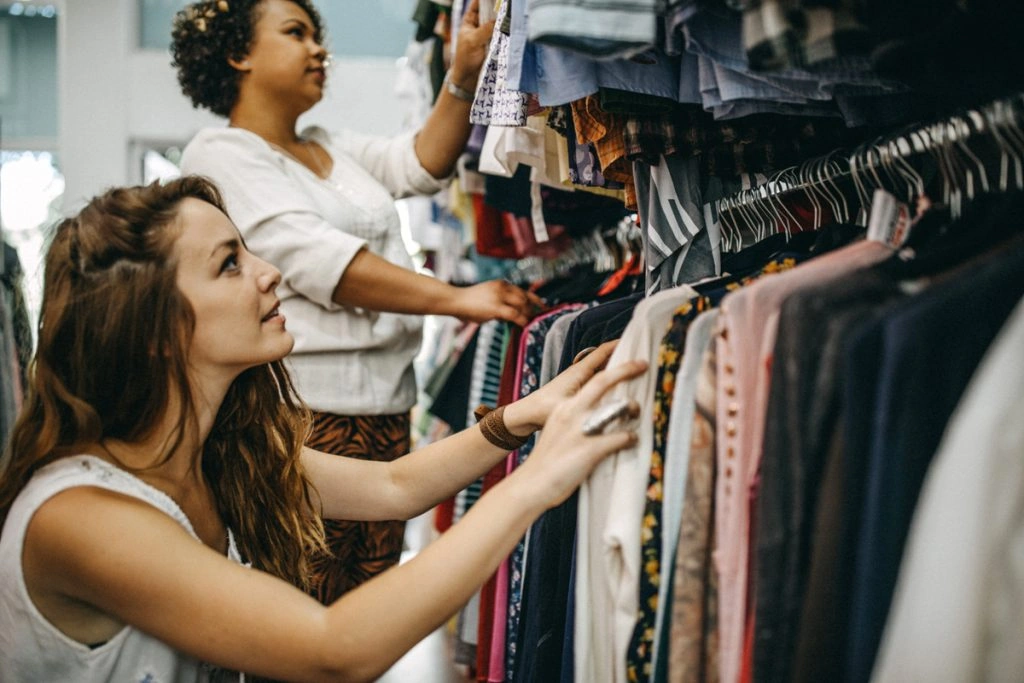
Fast fashion — garments produced cheaply and quickly to mirror the latest styles — lets shoppers snag knockoffs of designer looks for as little as $15 per item.
With prices like that, why not pick up that sleeveless top in four different hues?
Brands like H&M, Zara and Forever 21 dominate mall racks worldwide, refreshing styles multiple times a week. Then there are the nameless shops we stumble upon in our Instagram feeds — Luvrosy, Vistty, Ekzia and Hebechic — offering bargains just a few taps away on our phones.
Getting more clothing for the same money feels clever, yet there are several ways fast fashion ends up costing consumers far more than they expect.
The Real Expense of Cheap Clothing
Low price points lead buyers to purchase garments they won’t wear as often as they imagine and that won’t endure as long as they hope, says Elizabeth Cline, author of Over-Dressed: The Shockingly High Cost of Cheap Fashion.
“Low cost and rapid trends have turned apparel into disposable items, allowing us to ignore questions like ‘How long will this hold up?’ or ‘Will I even like it once I bring it home?’” Cline writes. Seams can split after a few washes, buttons fall off after the second outing, clothes are trashed and shoppers return to buy more.
“Unsurprisingly, fast-fashion shoppers purchase more frequently than other shoppers,” Cline found.
Comedian and commentator Hasan Minhaj highlighted similar points in a recent segment on fast fashion to show how cheap prices drive needless buying:
- The typical woman purchases 64 clothing items a year and half of those are worn only three times annually.
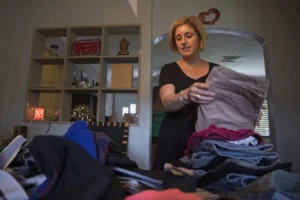
- The average American discards 80 pounds of clothing each year.
- Most donated secondhand clothes given to charities eventually end up in landfills.
Cline recommends buying fewer, higher-quality pieces that last longer rather than many cheap items.
A simple step to curb overspending is to steer clear of fast-fashion outlets.
But the bargain shops that crop up on your social feeds are still seductive.
That flowing white maxi with lemons and palm leaves is only $30.99 on Luvrosy (marked down from $65) and seems versatile enough for beach days, dinners or nights out.
The tie-dye cotton jumpsuit on JNJeans priced at $26 (formerly $46) appears cozy and effortless.
And that $30 white tee reading “Let It” with a little bee sketch in the Smavty ad — well, it feels unique.
Red Flags to Watch
Instead of regretting you didn’t vet these obscure e-tailers when that lemon dress never shows up — or arrives two sizes off — here’s why these cheap finds are often not worth the risk.
A basic Google query for Luvrosy prompts: “Is Luvrosy Legit?”
Search JNjeans and you’ll see “Is JNjeans a scam or legit website?”
Those warning signs might be sufficient to halt your interest.
If you want to dig deeper, here are more ways to judge whether you should buy from an unfamiliar online seller that finds you on social media.
Look for reviews across the web, including Facebook.
This remark surfaced when searching Luvrosy: “Warning: Do not buy from this site. I placed an order and never got my items. They took my money and didn’t even respond to emails about the shipment. It’s a shame because they have cute items and I would have kept ordering, but what’s the point if you never receive anything. Essentially they stole my money.”
Compare the product reviews on the company site with external feedback.
Reviews displayed on the retailer’s own site will often be all positive. But if you compare them closely you may notice the same glowing testimonial repeated word-for-word across reviews for the orange romper, the peacock blouse and the cropped jeans.
Read return policies thoroughly.
This may feel like tedious fine-print reading. Shoppers have grown used to clicking a link for a free return label and getting a full refund without explanation.
Many lesser-known shops require customers to email for return instructions, and the return address is frequently abroad.
Here’s Smavty’s return policy, which mirrors many small online sellers:
“Please contact our customer service to obtain a return/exchange authorization and return address within 30 days upon receipt. We don’t accept returned packages without authorization from customer service.”
“Only if our products have quality problems will we accept return requests. And please allow slight color and size differences, this is inevitable.”
Possibly due to lax quality control or hasty production timelines, shoppers report garments arriving massively oversized or tiny, despite identical size labels.
Confirm shipping and return costs up front.
Explore the retailer’s site to learn where their items are made. It’s commonly in Asia, and that’s often where returns must be mailed at the buyer’s expense. Sending a package from Florida to Singapore, for instance, can average about $50. Retailers count on customers not wanting to spend more to return an item than it cost to buy. The result: you’re stuck with something that doesn’t fit or looks unlike the ad.
Caroline James is a freelance editor and writer in St. Petersburg, Fla. and author of Rules for the Southern Rulebreaker, Missteps and Lessons Learned.