
When you’re in the middle of a mental health emergency, it can be hard to figure out where to seek support.
Speaking with your primary care physician is a solid way to get a referral for appropriate care. But when depression and overwhelm make even small tasks feel impossible, scheduling and keeping that appointment can be daunting.
Thankfully, assistance may be just a phone call away. You don’t even need to leave the house to access it.
It may sound like a familiar line, but it truly is the case.
Crisis counselors and helpline staff across the nation are available around the clock, every day of the year. All it takes is picking up the phone.
Best of all, these services are confidential and free.
Still, calling a stranger to discuss deeply personal struggles can feel intimidating, and it’s natural to wonder what will happen on the call.
I spoke with Frances Gonzalez, senior marketing and communications director at the National Suicide Prevention Lifeline, to learn what occurs behind the scenes when you reach out by phone.
The National Suicide Prevention Lifeline, which connects a network of local crisis centers around the country, handled more than two million calls from people in distress in 2017. Its lines are staffed day and night to link callers to a crisis center based on their area code.
Along with explaining what to expect when you place that call, we’ve included contact information for resources to help address behavioral health needs.
What to Expect When You Call a Crisis Hotline
If you’re facing a pandemic-related mental health emergency, unfortunately you’re far from alone.
Over one-third of Americans are showing signs of clinical anxiety or depression, according to a Census Bureau survey.
But help exists. Here’s what typically happens when you call a crisis hotline.
When Is it Appropriate to Call a Crisis Line?
Gonzalez explains that the helpline supports people in a wide range of circumstances, and anyone can call for any reason.
“There isn’t a single situation that says, ‘You should call’ or ‘You shouldn’t call,’” she says. “If you’re seeking support, are worried about someone else, or simply need to talk, if you’re thinking about calling, call. That’s exactly what the line is for.”
Although the National Suicide Prevention Lifeline centers on mental health concerns, it can also link callers to local services for substance misuse, alcohol problems and other crisis issues.
Do I Need Insurance to Call a Crisis Line?
Don’t let not having health insurance stop you from calling. Like most mental health helplines, the Lifeline offers free counseling to anyone in distress — insurance isn’t required.
What Training Do Crisis Counselors Have?
The person who answers your call is a trained crisis counselor able to provide immediate assistance with behavioral health concerns.
The specific training varies by the center that receives the call.
“Because it’s a national network of local centers, we have locations where counselors hold master’s or bachelor’s degrees,” Gonzalez says. “Other centers rely on trained volunteers, or a combination of professional clinicians and trained volunteers. All centers are certified and accredited to be part of the Lifeline network.”
What If I Don’t Click With the Counselor?
Making a personal connection over the phone can be challenging, so I asked Gonzalez what callers should do if they don’t feel a rapport with the counselor who answers.
“Counselors are trained to build rapport, but if you’re not comfortable you can always ask to be transferred to someone else,” Gonzalez says.
You can also hang up and call back to reach a different counselor. Don’t worry about upsetting the staff — they want you to receive the help you need, even if that requires speaking with another person.
What Questions Will the Counselor Ask?
Gonzalez describes the initial interaction: “A counselor will ask why you’re calling and what’s happening for you, and then essentially just talk with you.”
They’ll work with you to find a path forward. Sometimes that means a calming conversation and reassurance; other times it could involve connecting you with local services that fit your needs.
Will the Counselor Contact Law Enforcement?
Callers are encouraged to be candid without fearing authorities will automatically be dispatched to their homes.
“Most counselors will try to de-escalate a situation, so contacting others isn’t typically done without someone’s permission,” Gonzalez says.
Can I Call If I’m Worried About Someone Else?
Gonzalez says it’s perfectly acceptable to call the helpline if you suspect a friend or family member is in crisis.
While she couldn’t speak to every specific response scenario, she noted, “If people call with concerns about someone else, that counselor will be able to provide resources.”
The takeaway, according to Gonzalez, is to reach out — for yourself or a loved one — if you need support.
“If you feel you’re in crisis or simply want someone to talk to, we always encourage people to call the Lifeline,” she says.
Where to Reach Out For Help
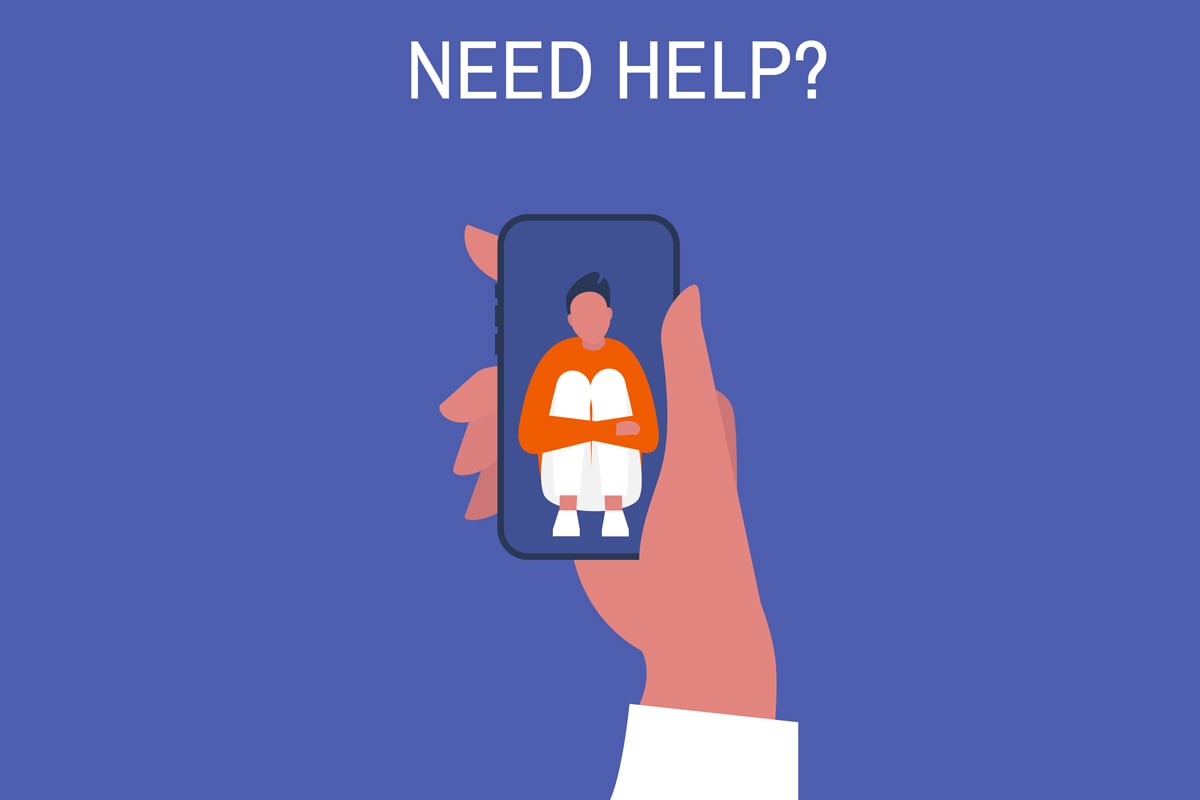
If you or someone you care about is in crisis, here are additional resources that can help:
- Call 911 if the situation is life-threatening
- Call 211 to connect with local crisis services
- Crisis Text Line: Text HOME to 741741
- National Domestic Violence Hotline: 800-799-SAFE (7233)
- National Sexual Assault Hotline: 800-656-HOPE (4673)
- Substance Abuse and Mental Health Services Administration Hotline: 800-662-HELP (4357)
- The Veterans Crisis Line and Military Crisis Line: 800-273-8255, Press 1
- Institute on Aging Friendship Line: 800-971-0016
For affordable mental health care, support groups and therapy options, explore low cost and free mental health services and consider using mental health apps for extra support. If you’re looking to manage daily strain, resources on stress management may also be helpful.
Alex Carter is a former staff writer at Savinly.