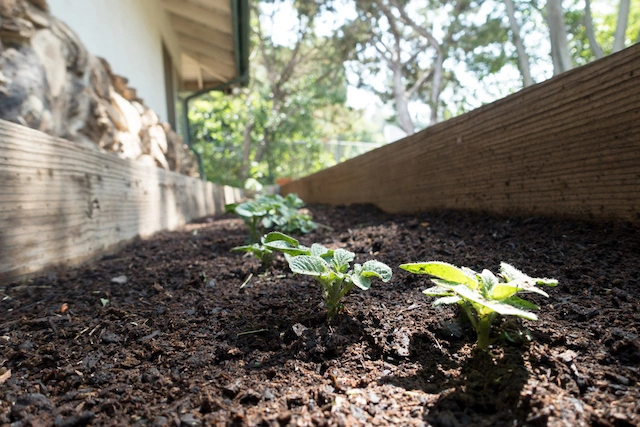
A modest plot can put real money back in your wallet: an average garden yields “an estimated 300 pounds of fresh produce worth $600,” according to research from the National Gardening Association (NGA). That projection assumes a typical gardener investment of $70, so a net gain of $530 is a noteworthy return!
Blogger Kristina Seleshanko figured her 12-by-14-foot and 33-by-3-foot beds greatly reduced her grocery expenses during the summer of 2013. Her startup outlay (including backyard hens) was only $278, yet she estimates her haul of eggs, tomatoes, kale, onions and potatoes would have cost around $1,770.89 at the supermarket, giving her an estimated savings of $1,492.89.
With returns like those, Savinliers willing to work the soil should pay attention. The NGA reports one of the primary motivations for planting a vegetable patch is to lower grocery costs. Here’s how to get the most from your garden to reduce your food bill and trim expenses at checkout.
Grow What You Actually Eat
“Plant what you eat!” urges Cape Cod backyard gardener Brittany Haskell. “I’m growing celery, green beans, cucumbers, cherry tomatoes and squash.”
P.Allen Smith, author of “Seasonal Recipes from the Garden,” recommends beginning your plan by reviewing grocery receipts to determine what to plant. If you frequently buy fresh herbs, he suggests another approach: “Spend $20 on herb transplants and have enough for the whole summer,” he advises. “Do the math.”
“Choose what makes sense for your climate,” recommends homesteader and backyard grower Alexandra Bodrie from Sandwich, Massachusetts, who eats from her own garden from June through September. “The season on Cape Cod is too short for watermelons, but I get bumper crops of green beans and peas.”
Begin with Seeds
If you have the time and room, starting seeds indoors in late spring can increase savings.
“Seeds are still a great value. Since you often get more than you can use, consider organizing a seed swap with your gardening friends,” says About.com gardening expert Marie Iannotti.
On a recent grocery run, I noticed tomatoes on the vine at $2.29 per pound, while a six-pack of tomato plants that can produce 15 to 25 pounds per plant from your local garden center in spring typically costs under $5, and seed packets are even cheaper. Starting plants from seed boosts savings and makes that spaghetti meal even more affordable.
Plan Carefully to Boost Output
Your plot doesn’t need to be massive to affect your food budget. The NGA found that although the average U.S. garden is 600 square feet, many gardens are considerably smaller.
Make the most of your space by cultivating high-yield crops like tomatoes, onions and leaf lettuce. Crops with lower efficiency include Brussels sprouts, celery and pumpkins — but that doesn’t mean you must omit them entirely.
Don’t overlook your vertical area. “Use anything you have to let climbing plants grow upward and conserve precious garden space,” advises Bodrie.
Planning is crucial when gardening to save money. “Keep thorough notes,” says Haskell. “I track when I planted things, what thrives, what fails, and the size of my harvest. That information helps me decide what and how much to plant the next season.” For assistance planning your beds, see this useful chart from the NGA that shows yield, dollars per pound and value.
Plant Now, Preserve for Later
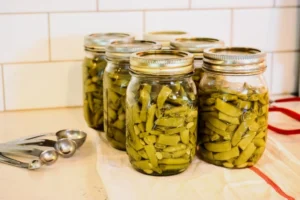
“A savvy gardener intentionally grows more vegetables than can be eaten fresh. The excess can be preserved in several ways for winter consumption,” recommend staff at the Center for Agriculture, Food and the Environment at UMass Amherst. Crops such as carrots, potatoes, onions, winter squash and pumpkins need little processing to store long-term.
Haskell also plants with winter use in mind. “If you harvest carefully and preserve immediately, you can keep your produce well into winter. I didn’t need to buy a single pepper last winter.”
Both Haskell and Bodrie chop, blanch and freeze surplus vegetables. A small chest freezer is a smart purchase if you want farm-fresh produce year-round.
Consider Nontraditional Growing Spaces
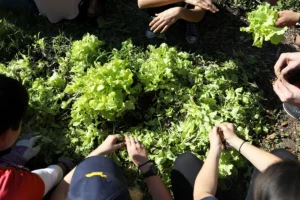
“Food gardens aren’t just confined to backyards anymore.” The NGA points out that people “grow food in containers on decks and patios, in community plots, at schools, at senior centers, and even in front yards for all to enjoy.”
Don’t undervalue your garden’s benefits beyond food. “Most importantly, it’s free entertainment,” says Bodrie, a single mother. “It takes time and effort to care for your garden — time you might otherwise spend out and about spending money — and it’s an excellent learning activity to share with the kids.”
You can begin saving by growing herbs or container-friendly veggies like tomatoes, cucumbers or lettuce on a small balcony or a bright windowsill. Your state cooperative extension or master gardener program usually provides excellent (and free) guidance for gardeners at every skill level.
If you’re curious about easy, recurring projects, consider learning how to regrow vegetables from kitchen scraps — a simple way to extend your harvest and reduce spend on fresh produce.