Ever flip through magazines showcasing beautiful interiors and notice one recurring element?
Whether it’s Southern Living, Real Simple or Dwell, every residence — no matter the aesthetic or build — seems to share a common denominator: plants.
It’s not hard to understand why houseplants are everywhere. They bring color and personality to a room, produce oxygen and can help soothe your blood pressure.
But those oversized palms and lush ferns gracing magazine pages can be pricey. If you live in a compact apartment or aren’t convinced you have a green thumb, dropping $50 on a dramatic statement plant might not be sensible.
That said, you can still incorporate plants into your decor affordably. Here’s how I introduced greenery into my petite apartment on a shoestring budget.
Take in a Houseplant (Or a Few, or Many)
For just a few cents a day, you could support a thriving houseplant …
OK, that’s a different tagline.
People often don’t know what to do with plants when they move, when the cat treats them like rope toys, or when they can’t bear the sight of foliage gifted by an ex.
In cities, you’ll occasionally find potted plants left by the curb, ready for a new home. If you spot one, don’t panic. Inspect it briefly for pests before bringing it inside and giving it a playful name.
If you don’t stumble upon abandoned greenery, let the internet be your ally. Freecycle groups, neighborhood Facebook pages and Craigslist’s “free” listings are solid resources for connecting with local folks who want to rehome plants.
Want a specific variety? Ask for cuttings from a larger plant to root at home. This is an inexpensive way to begin growing herbs or other small plants.
Score Planters at Thrift Shops

Want to flood your small dwelling with plants? You’ll need containers to house them.
While garden centers offer a wide assortment of pots and hanging planters that may suit your taste, they can quickly become a drain on your budget. And remember — larger plants generally require pricier pots.
Instead, browse your neighborhood thrift store’s housewares section. You’ll uncover plenty of vessels — intended as planters or not — that spark creative planting ideas.
Anything can function as a planter if you add some pebbles at the bottom to allow excess water to escape from the soil and prevent root rot.
Once you bring your thrifted finds home, give them a thorough cleaning so your gardening begins on a sanitary note.
Upgrade Old Pots with a Facelift

Budget or secondhand planters aren’t always the most attractive. Maybe the hue clashes with your palette, or perhaps a row of identical terracotta pots looks monotonous.
Enter spray paint. Pick a glossy shade for $4–$7 and give your pots a fresh coat (choose a calm, ventilated day and follow a how-to if you need tips).
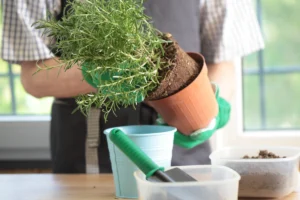
It’s wise to don rubber or dishwashing gloves if you’re new to spray painting — they’ll protect your hands from stray paint.
Let your newly painted pots cure fully before bringing them indoors and scattering them around your home. Trust me on this one.
Skip Buying Fancy Plant Stands

One element of indoor gardening that can drain your funds quickly is plant stands. New or small-space plant owners might not want pots on the floor, yet stands to lift modest plants often cost $50 or more.
Even with limited surfaces, potted plants work well as centerpieces, nightstand accents and bookshelf ornaments. Group a couple together on a side table, beside the TV, or on a roomy windowsill for impact.
For larger specimens that you don’t want on the floor, set them on an extra kitchen chair or a foldable step stool.
Pick Low-Maintenance Plants
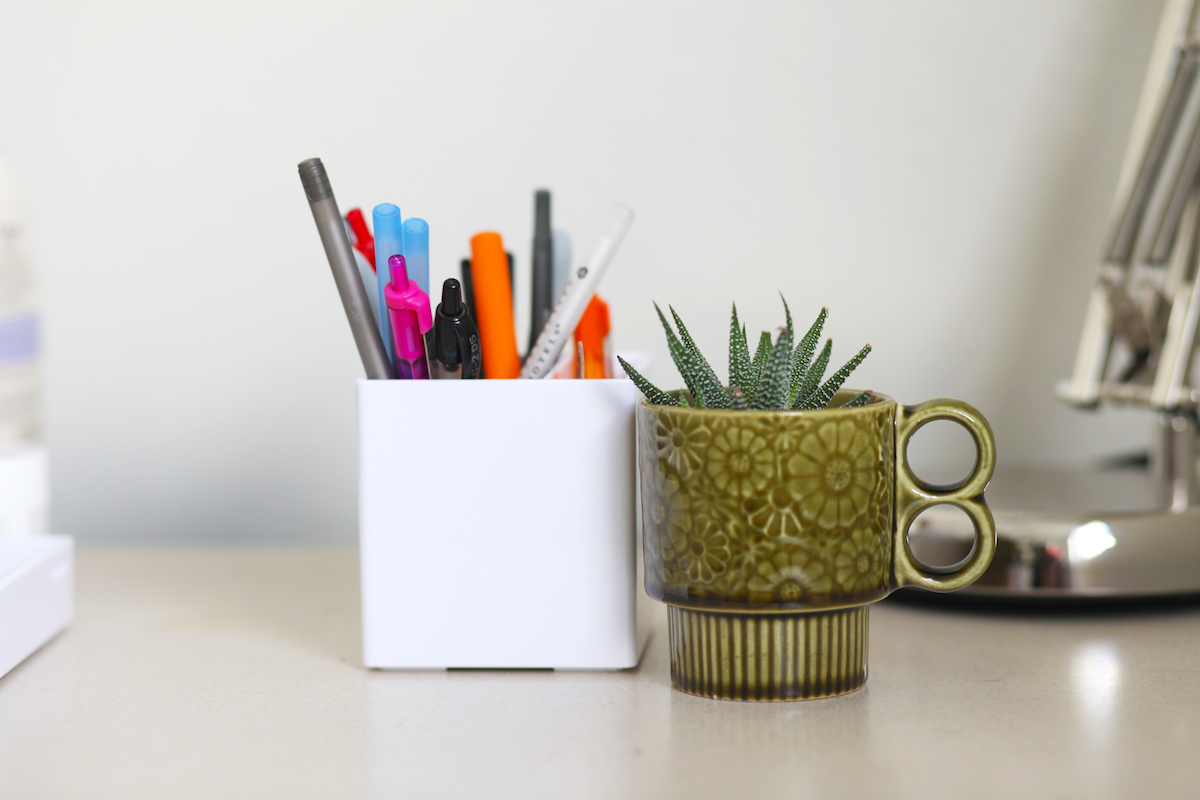
Your first steps into indoor gardening shouldn’t be an audition for a high-maintenance plant show. Start with straightforward specimens that don’t demand constant attention. If you like chatting with your foliage, go for it — I won’t judge.
Consider these easy-to-care-for houseplants suggested by Popular Mechanics and Apartment Therapy. They’re common, accessible and forgiving:
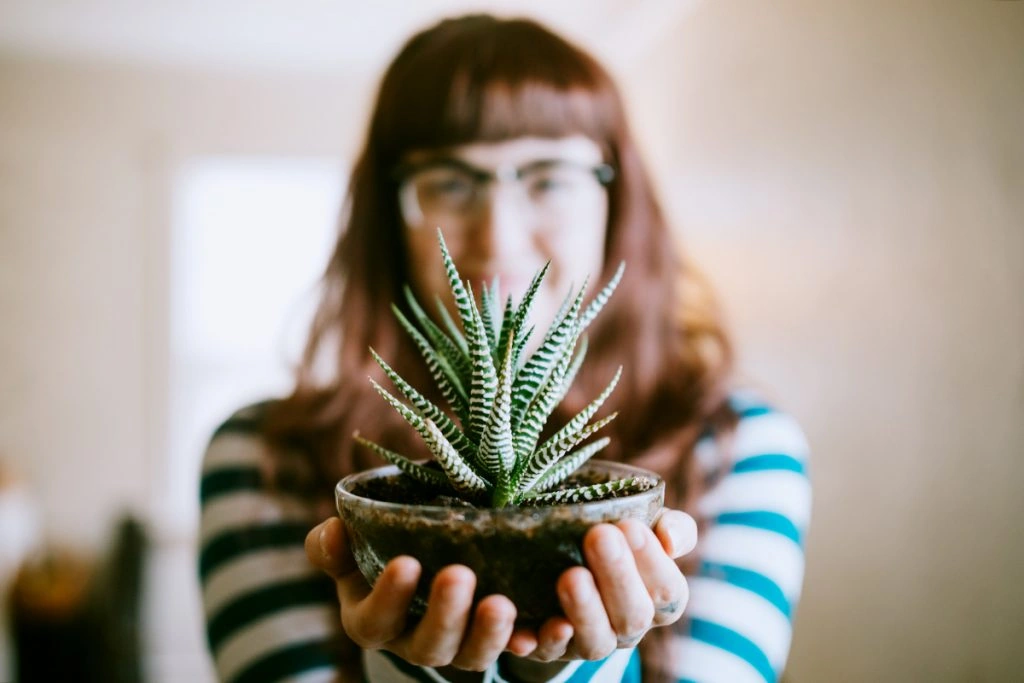
Cactus: Choose any attractive cactus or succulent — there are countless types. Be cautious not to overwater during the initial weeks, and observe how it fares in different light. Cacti are resilient, but they can still perish if neglected.
Snake Plant (Sansevieria or Mother-in-Law’s Tongue): Nearly indestructible, snake plants handle bright light well but also tolerate low-light conditions. Watering every couple of weeks is usually sufficient.
ZZ Plant (Zanzibar): Thrives in low light and with minimal watering.
Philodendron: A lovely option for hanging planters.
Orchids: They often flourish under benign neglect — a weekly sip of water from a shot glass can keep blooms returning.
Before you collect a few specimens or beg cuttings on neighborhood forums, confirm they’re safe for pets if your furry friends are likely to sample them.
Invest in Good Potting Mix
There’s really only one regular purchase required to keep houseplants healthy: potting soil. You don’t need blends with gimmicks or moisture-control tech to do the job. A simple bag of potting mix for $8–$10 will serve you well.
Top off your containers with fresh soil every few months before watering. This replenishes nutrients and keeps your plants looking their best. Unless you go on a buying spree for new greenery (guilty as charged), a bag or two per year should suffice.
Jordan Hale is a former staff writer at Savinly.