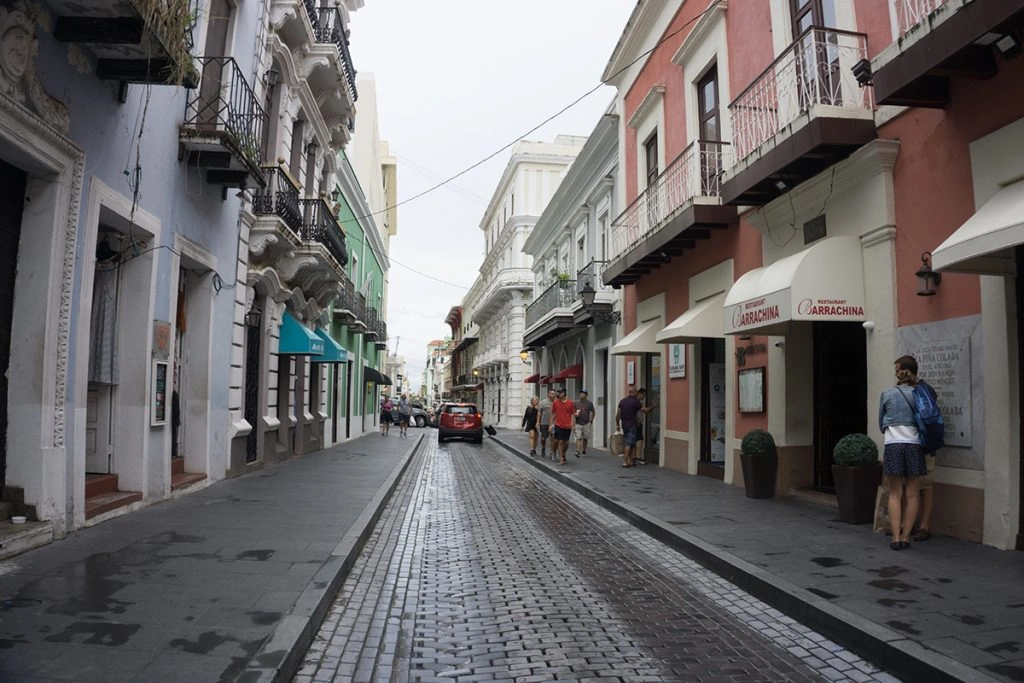
Wandering through Old San Juan, you’ll feel a world apart from the mainland United States.
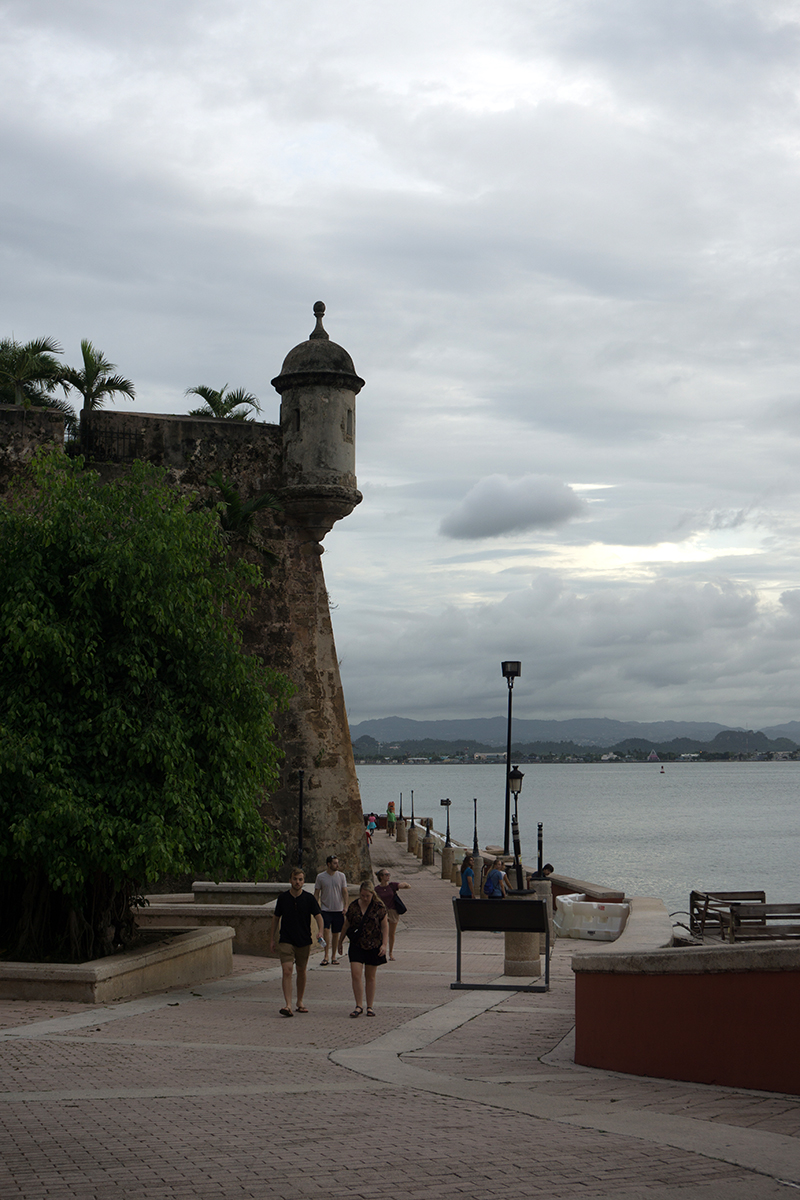
Charming cobblestone lanes. Hints of Spanish in the air. Centuries-old fortifications.
Yet the capital of Puerto Rico is only a short flight away — and because Puerto Rico is a U.S. territory, you won’t need a passport to travel there.
You can use your mobile phone, pay with U.S. dollars, and since many locals speak excellent English, you won’t have to fret if your Spanish is rusty (though plenty of people will gladly help you practice).
I recently spent 10 days in this island paradise. It’s an ideal weekend escape for Americans looking for exotic sights, sounds and flavors without a long haul from home.
What to Expect
As you likely remember, Hurricane Maria devastated Puerto Rico in September 2017. The National Oceanic and Atmospheric Administration estimates the storm inflicted $90 billion in damage. Many households endured power outages for nearly a year.
With so much negative press, I wasn’t sure what to anticipate. Would infrastructure be repaired? Would there be hot water and electricity? Were restaurants and hotels operating?
When I stepped off the plane, I was relieved to find San Juan largely back to normal. Eateries, lodging and attractions are open, and cruise ships have been returning regularly.
I’m not suggesting the island’s recovery is complete. It carries $71 billion in debt and faces many obstacles. While I encourage you to learn about Puerto Rico’s challenges before visiting, that’s not the focus of this piece.
So rather than delve into politics and economics, I’ll simply say: Most tourists can enjoy a delightful trip.
And you should — spending money there is one of the best ways to help the island recover. Puerto Ricans are incredibly warm and welcoming; you’ll likely be met with a friendly smile.
When to Go
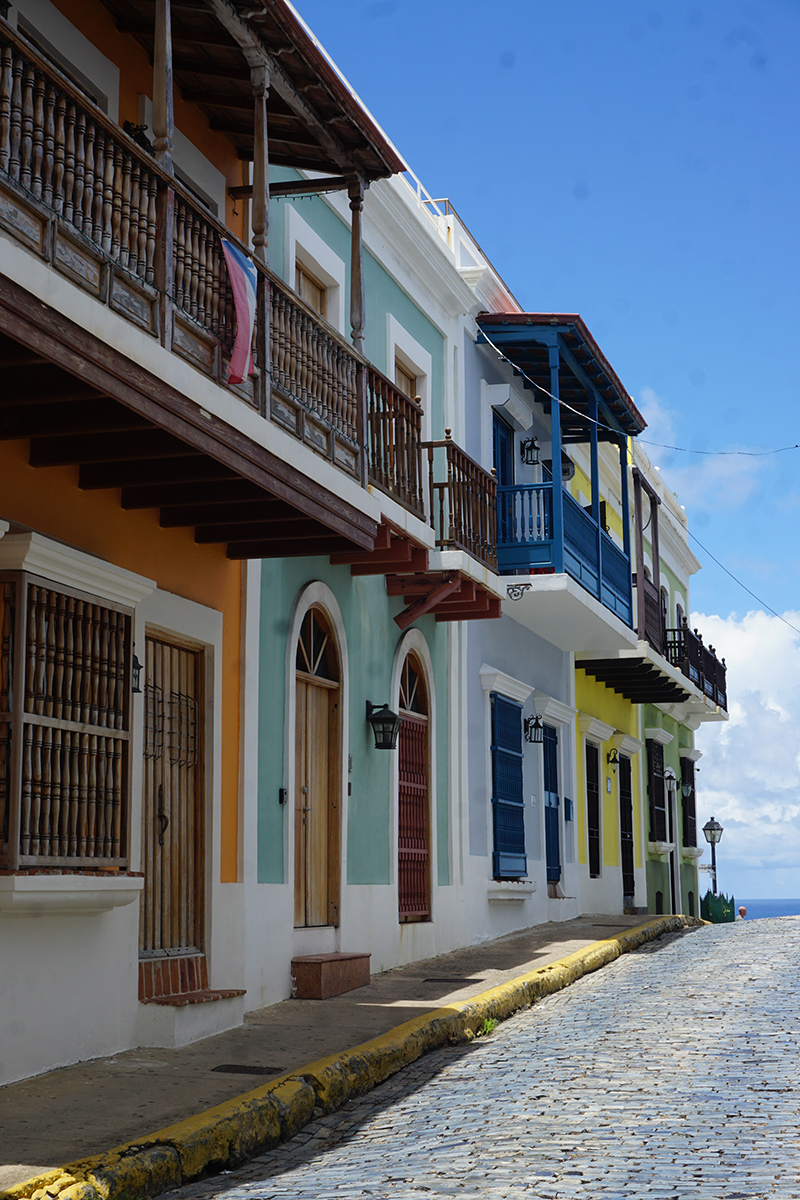
San Juan enjoys temperatures of about 75 to 85 degrees year-round.
Peak tourist season runs from mid-December to mid-April, bringing larger crowds and higher prices. The spring shoulder season (mid-April through June) tends to be less busy.
Hurricane season falls between June and November, which doesn’t necessarily mean you should avoid visiting. The weather can still be lovely, and hotels often offer lower rates, according to U.S. News & World Report.
Things to Do
San Juan offers plenty of activities to keep you busy. Here’s a taste of what this historic coastal city has to offer.
Old San Juan
For many travelers, simply strolling Old San Juan’s picturesque streets can fill several days.
With 16th- and 17th-century buildings, swaying palms, blue cobblestones and cats napping on stoops, you’ll forget about shopping malls and chain stores.
Browse boutiques, relax in one of the numerous plazas, sip exceptional coffee from Cuatros Sombras, and watch daily life unfold.
Museums and Attractions
If you’re into history, you’ll be pleased — San Juan’s museums are very affordable.
Admission to the San Juan National Historic Site, which includes the 16th-century El Morro and Fort San Cristóbal, is $7. La Casa Blanca, the oldest continuously inhabited home in the Western Hemisphere, charges only $3.
Want a spirited addition to your history day? Take a $15 historic tour of the Bacardi rum distillery.
Beaches
Often you must leave the city to find gorgeous beaches — but San Juan is an exception.
Areas such as Condado, Ocean Park and Isla Verde have lovely stretches of sand and are only minutes from Old San Juan. Many travelers opt to stay in beachfront hotels there.
Even if you don’t lodge on the sand, reserve at least a half day to bask in the sun, swim and enjoy postcard-perfect scenery.
Day Trips
To explore beyond the city affordably, renting a car is the easiest choice. (When I checked, rates were as low as $17 per day.)
Drive about 30 miles to El Yunque, the only tropical rainforest in the U.S. While many trails closed after Maria, they’ve been reopening gradually. You can still admire the lush landscape and waterfalls.
On the return trip, stop in Piñones, a coastal community known for its relaxed food kiosks.
Where to Eat and Drink

Although it might not yet be on every food lover’s radar, Puerto Rico’s dining scene is thriving.
Its signature dish is “mofongo”: garlicky fried plantains often formed into a bowl and filled with meat and broth. You’ll find it from tiny local spots to upscale restaurants.
For budget-friendly options, here are a few favorites I discovered:
Lote 23: An industrial courtyard packed with more than a dozen food stalls — a must-visit. Try manchego croquettes at Croqueteria (two for $4) and house-made cashew milk lattes at Cafe Regina ($7). El Jangiri’s poke bowls ($8–$12) are also excellent.
La Bombonera: One of San Juan’s oldest eateries, this bakery dates back to 1902. Its famed “mallorca” — a flaky pastry filled with cheese and dusted with powdered sugar ($3.95) — is irresistible.
Café Manolín: Pop into this down-to-earth local spot for chicken mofongo ($10.95) and “empanada de lomillo” — a breaded beef steak ($11.95).
Señor Paleta: In San Juan’s warm climate, you’ll likely crave something cold. This gourmet popsicle shop offers creative flavors; my pick was a Nutella-filled strawberry ($4).
Barrachina: This restaurant claims to have created the piña colada. Even if others dispute that, the piña coladas here ($8) are definitely delicioso. Sit at the courtyard bar for guaranteed fun.
La Placita de Santurce: For a lively evening, grab a beer ($2) and wander this bustling bar district where locals and tourists mingle. It’s great for people-watching — and if you stay late, you’ll likely catch impromptu salsa dancing.
Where to Stay

Choosing where to stay in San Juan often comes down to a simple dilemma: historic old town or beachfront. Old San Juan tempts with charm, while beachside lodging has the obvious perk of being on the sand.
The upside is that most neighborhoods are fairly close, and picking one means you’re likely only a $5–$7 car ride from the other.
Old San Juan is compact, so lodging options are more limited than in other parts of the city. Reasonably priced choices I found include the Fortaleza Guest House and the Decanter Hotel.
You can also consider an Airbnb, though keep in mind that it isn’t always ideal for local residents.
Large resort hotels are plentiful in Condado, a touristy beach area a few miles east of Old San Juan. I suggest staying a bit farther out for better value; you don’t want to end up in a generic chain when you could enjoy character instead.
Two excellent options:
This hip hostel sits just blocks from the beach and boasts a fantastic rooftop with hammocks and loungers overlooking the ocean. It also features a shared kitchen so you can prepare meals and save money.
Although I’m beyond dorm life, I still sometimes reserve private rooms at hostels to get the social atmosphere and low prices without dealing with snoring roommates.
Typical nightly rates:
- Dorm bed: $32 and up
- Rooftop tent: $45 and up
- Private room: $64 and up
- Deluxe private room: $88 and up
This boutique vegetarian B&B looks like it belongs in an Instagram feed. Each room features unique vintage decor, and the plant-filled grounds with hammocks create a peaceful vibe. Rates vary by room choice but start at $89. You can add fresh vegetarian breakfasts ($11) and use the shared kitchen.
Getting to San Juan

Several carriers, including Southwest, Spirit and JetBlue, fly daily to San Juan. (Keep in mind Spirit charges extra for all baggage, even carry-ons.)
About a month before my trip, these round-trip fares appeared:
- From Chicago O’Hare: $279 (Spirit)
- From Newark: $307 (JetBlue, direct)
- From Baltimore: $331 (JetBlue, direct)
- From Atlanta: $182 (Spirit)
If your visit is only for a weekend, you likely won’t need to rent a car.
Ubers and Lyfts are common and inexpensive — though from the airport you must take an official taxi to your hotel. Inside the city, walking and biking work well; some hotels even provide complimentary bikes.
You won’t see all of Puerto Rico in a single weekend, but you can always leave things for a future trip. Once you visit, odds are you’ll plan another return.