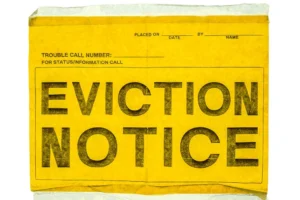
The home we’ve rented for the last eight years is being sold, and we have to vacate by July 1.
My difficult money situation stems from the fact that I have a stalker. Because of that, I MUST remain hidden.
I can’t allow credit checks or background screenings because that’s how this person located me before. We’re offering two to three months’ rent up front, a glowing reference from our current landlord, and a letter from my attorney outlining the stalker and the restraining order. Still, nobody is willing to work with us.
Do you have any ideas? I can’t permit any checks — it’s far too dangerous. This really is a life-or-death matter.
– C
I can only imagine the anxiety you’re under. Moving is already stressful in ordinary circumstances; when you’re concerned for your safety, the pressure must be overwhelming.
Tenant protections differ greatly by state, but one constant is this: landlords or property managers will typically want to verify an applicant’s background in some manner. Any stranger can show up at an open house looking pleasant and leave behind neat handwriting and seem reliable; it’s only after landlords perform the screenings they choose that they can feel reasonably certain a tenant will pay rent consistently.
Requesting that a prospective landlord skip a background or credit check is a significant warning sign. Even though you’re not to blame for your situation, a history involving a stalker will deter many landlords from even considering your application. Landlords want a low-drama rental almost as much as you do.
Our lives are far more public and searchable now than most of us would prefer. When someone has enough details about you to look beyond what’s readily available on search engines, there aren’t many good hiding spots left.
From your note, it seems your stalker can access databases that aren’t public. If this person can see who recently pulled your credit, they may be able to track you to a new address.
If you can’t relocate outside your current area, it may be time to bring in additional help beyond the restraining order and your lawyer’s letter.
Thirty-six states operate address confidentiality programs to assist survivors of stalking and domestic violence. These programs provide substitute addresses for use with government forms and certain public agencies. They won’t erase your known address from the stalker’s knowledge, but they can slow down his efforts if he doesn’t already have that information.
If you believe your stalker is finding details about you using your Social Security number, you can request a new number from the Social Security Administration. You must show proof of why you’re asking for a replacement number, but there’s no fee to apply.
The Stalking Resource Center at the National Center for Victims of Crime offers materials you may want to consult. The National Network to End Domestic Violence also provides a relocation checklist geared toward people dealing with stalking.
In a movie, I’d tell you to assume a new identity, get a dramatic haircut and leave town immediately. But this is real life. Coordinate with law enforcement and local victim-support services, and ask friends, relatives, your employer and anyone else who can watch out for you to lend a hand.
Have an uncomfortable financial question? Send it to [email protected].
Disclaimer: Selected questions and answers may be published in Savinly’s “Dear Penny” column. I can’t reply to every submission (there are only so many keystrokes in a day!). We reserve the right to edit and publish questions. Your name will be kept anonymous. I’m not a psychologist, accountant, financial advisor or attorney, so my responses are informational only. I do, however, promise honest guidance based on my own observations and personal experience.