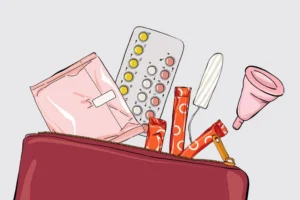
From their early teens through their mid-40s, people who menstruate need to budget for an extra recurring item many men don’t: keeping a supply of their chosen combination of pads, liners and tampons.
Although it’s easy to take for granted how far we’ve come from the days when people reused cloth rags, the wide variety of modern choices carries a cost.
But what if you could significantly cut the amount your period adds to your monthly expenses?
Opting for reusable items like cloth pads, menstrual cups and sea sponge tampons can save you more than $100 a year, depending on what you currently spend on single-use products.
On top of the financial benefit, choosing reusable alternatives reduces the trash you produce — making them a genuinely eco-conscious choice.
Would you think about making the switch to a reusable menstrual product? Below we’ll review several popular options and how they might affect your budget.
How Much Does Menstruation Cost?
On average, a person will use more than 11,000 pads or tampons over their lifetime, according to Alive.
Another calculation estimates roughly 9,600 tampons — about 240 per year.
And all those supplies add up; Jezebel calculates the typical person spends approximately $120 annually on pads and tampons.
Of course, bargain hunters who play the drugstore coupon game will note that with vigilance you can score boxes of menstrual products for $1 or even free.
But — and this matters to a lot of people — many of us prefer a specific brand, which makes consistently finding those rock-bottom deals harder. In college I stretched my salary with cheaper off-brand boxes for $1 each, but the quality didn’t match my go-to brand.
Reusable menstrual items aren’t cheap up front; the initial outlay is higher than a box of disposable tampons. Still, compared to buying bulk boxes at a warehouse store, the long-term hit to your wallet is far smaller.
Here are the most common reusable menstrual products and where to purchase them.
Reusable Cloth Pads
I first learned about cloth pads years ago from my mother’s eco-friendly collective.
Cloth pads resemble traditional maxi pads but fasten to your underwear with a snap instead of adhesive. You can expect to use a cloth pad for roughly five years or about 60 uses, whichever comes first.
Look for sellers online — check Etsy and Amazon — and you won’t have to give up low-rise or cheeky underwear: Party In My Pants even has a thong liner ($9.99) for light flow days!
Mother Moon Pads begin at about $6.50 each, CozyFolk sells starter sets of three pads for around $30, and Sckoon Organics offers pads near $14 apiece.
If you’re curious about trying cloth options or want to switch to cloth pads, these vendors are a good place to start.
Menstrual Cups
I first encountered menstrual cups when I won a Keeper Cup in a blog giveaway several years ago.
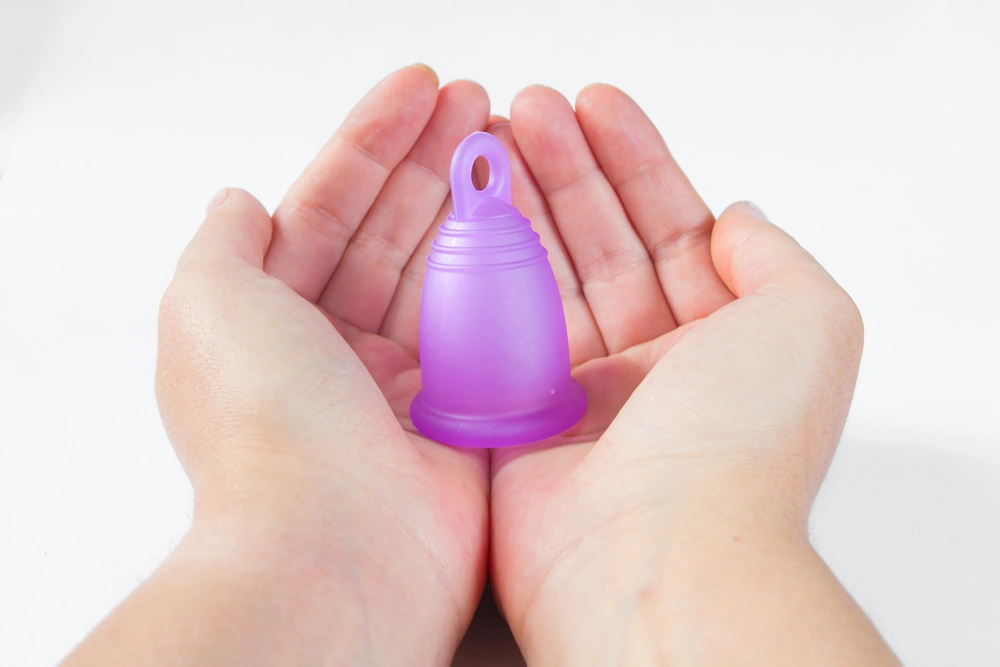
It’s a small rubber or silicone cup you fold and insert to catch menstrual fluid. You can wear a menstrual cup throughout the day, and cleaning it is straightforward if you have access to a sink.
Best of all, you typically only need one, and since cups can last up to 10 years, there’s rarely a need to replace them unless you find it uncomfortable. Mine still looks as fresh as the day I got it, and while I’d love a brighter color, my frugal side won’t let me toss a perfectly good $35 product.
Beyond the Keeper Cup and its silicone sibling the Moon Cup, you’ll find similarly shaped options such as the Diva Cup, Lunette or Eva Cup, among many others. Most cups are available in two sizes: one for people who’ve had vaginal deliveries and one for those who haven’t been pregnant or have only had c-sections.
If you want to learn more about menstrual cups, check out the active LiveJournal community. Members cover usage tips, sizing, differences between brands and folding techniques, and are generally responsive to questions.
Expect to pay about $25 to $40 for a menstrual cup.
While some makers advise replacing a cup yearly for hygiene, others argue that with appropriate care a cup can endure for a decade — and many users agree. I rinse mine daily and boil it monthly.
Sea Sponge Tampons
Sea sponge tampons? That was my initial reaction when I first read about them.
These sponges are sustainably gathered from the sea and are inspected before being sold for personal use.
They vary in size and hue, so trimming them to the preferred dimensions is usually necessary. Many shoppers — including bloggers like Stacie from Motherhood on a Dime and Katie at WellnessMama — praise them highly.
One advantage of sea sponges over some other reusable choices is you can be intimate while using them. However, you’ll need to replace sponges more often than a menstrual cup, and the process can be a bit messier, which may not appeal to everyone.
Clean sea sponges with water plus a little baking soda, apple cider vinegar or tea tree oil.
A single sea sponge typically lasts three to six months. A starter two-pack from Glad Rags is about $21, and choices on Etsy start around $13.
How Much Can Reusable Menstrual Products Save You?
Using Jezebel’s $120-a-year estimate, the typical person spends roughly $10 monthly on disposable pads and tampons. Here’s how costs look if you move to reusable items:
- A menstrual cup averaged over a 10-year lifespan equates to about $0.20 to $0.33 per month. If you replaced your cup annually, the monthly cost would be closer to $2 to $3.30. Estimated savings: $80 to $116
- A three-pack of sea sponges from Etsy works out to approximately $0.72 to $1.44 per month, depending on replacement frequency. Estimated savings: $102 to $111
- A set of five cloth pads at about $10 each will amount to roughly $0.83 per month over five years. Estimated savings: $110
What would you do with an extra $100? It’s not a fortune, but I’d rather keep it in my wallet than toss it in the trash.
Your Turn: Have you used reusable menstrual products? How much have they helped you save?
If you’re exploring eco-friendly options more broadly, see our guide to reusable products for additional ideas.
Disclosure: This post contains affiliate links. We’re sharing that because transparency matters — and because Honest Abe is on our favorite coin.